


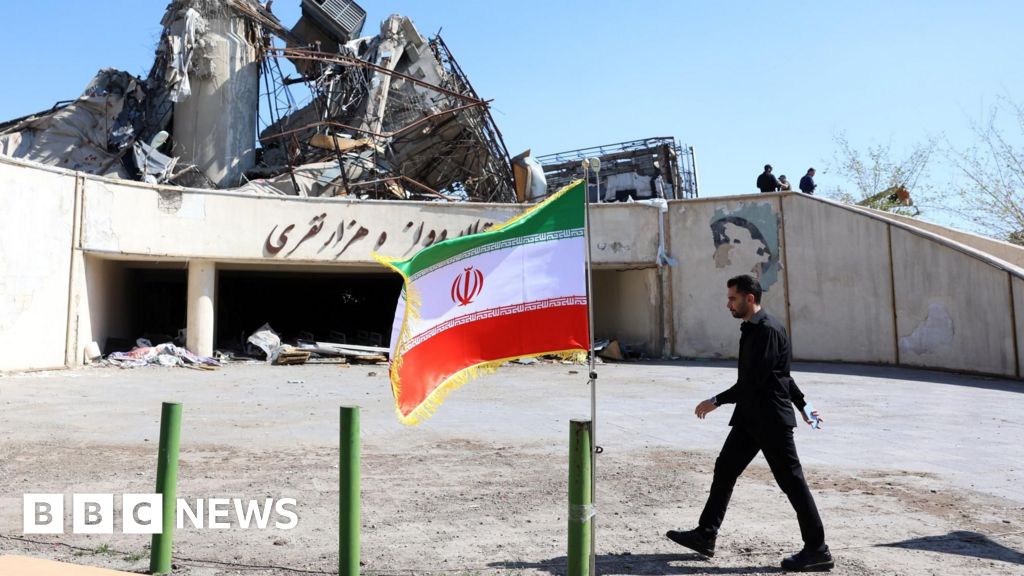

Iranians React to US President’s Threat to Target Infrastructure Amid Strait of Hormuz Tensions
Tehran, Iran | October 2023
The threat loomed like a storm cloud over Iran this week. In a stark escalation of tensions, the US president issued a blunt ultimatum: Iran must either open the Strait of Hormuz—a vital global maritime chokepoint—or face the destruction of its power plants and bridges. The statement, delivered with unflinching certainty, has sent shockwaves through the Middle East and beyond, igniting fiery debates among ordinary Iranians while raising alarms over the potential for a wider regional conflict. For many, the threat feels like a return to a dark chapter of history, where superpowers wielded their might with little regard for the lives caught in the crossfire.
The Strait of Hormuz: A Global Flashpoint
The Strait of Hormuz, often referred to as the world’s most critical oil transit route, is a narrow waterway separating Iran and Oman. Every day, nearly 20% of the world’s oil supply passes through this strategic artery, making it a linchpin of global energy security. In recent months, Iran’s decision to partially close the strait, citing heightened US sanctions and economic pressures, has triggered fears of a full-blown energy crisis.
The US president’s threat to target Iran’s civilian infrastructure if the strait remains closed underscores the high stakes involved. Power plants and bridges are not just symbols of national pride; they are lifelines for millions of Iranians. The potential destruction of such infrastructure could plunge the country into darkness, disrupt transportation networks, and exacerbate an already dire humanitarian situation.
Ordinary Iranians Speak Out
In Tehran and beyond, ordinary Iranians have reacted with a mix of defiance, fear, and resignation. For many, the US president’s threat is seen as yet another example of international bullying. “They think they can destroy our lives and expect us to comply,” said 45-year-old shopkeeper Ali Reza, his voice trembling with anger. “But we’ve endured sanctions, wars, and threats for decades. What more can they do to us?”
Others, however, express deep concern. “The rhetoric is escalating too fast,” said Parisa, a university student in Shiraz. “If they destroy our power plants, how will hospitals function? How will people survive without electricity? This isn’t just a threat to the government; it’s a threat to all of us.”
The threat has also reignited debates about Iran’s leadership and its handling of international relations. While some blame the government for provoking tensions, others argue that the US’s uncompromising stance leaves little room for diplomacy. “We’re caught between a rock and a hard place,” said Mehdi, a retired civil servant in Isfahan. “Both sides are playing a dangerous game, and it’s the people who will pay the price.”
Global Implications
The US president’s threat is not just a bilateral issue; it has far-reaching implications for global stability. The Strait of Hormuz is a critical artery for the global economy, and any disruption could send oil prices skyrocketing, triggering inflationary pressures and economic turmoil worldwide.
Moreover, the targeting of civilian infrastructure raises troubling questions about the rules of engagement in modern warfare. International humanitarian law prohibits attacks on essential infrastructure that directly impacts civilian populations. By openly threatening power plants and bridges, the US risks undermining these principles, setting a dangerous precedent for future conflicts.
The situation also underscores the fragility of diplomatic efforts in the Middle East. Despite ongoing attempts to revive the Joint Comprehensive Plan of Action (JCPOA), commonly known as the Iran nuclear deal, tensions between Iran and the US remain fraught. The latest escalation threatens to derail any progress, leaving the door open to further confrontation.
Why This Matters
The stakes could not be higher. A military confrontation in the Strait of Hormuz would not only devastate Iran but could also draw in regional powers, including Saudi Arabia, Israel, and the UAE, each with their own vested interests. The risk of a broader war—one that could destabilize the entire Middle East—is a harrowing possibility.
For the global community, the situation serves as a stark reminder of the interconnectedness of modern geopolitics. The ripple effects of a conflict in the Strait of Hormuz would be felt far beyond the Middle East, impacting energy markets, global security, and humanitarian crises worldwide.
A Call for Diplomacy
As tensions continue to simmer, experts warn that diplomacy must take precedence over brinkmanship. “The only way out of this is through dialogue,” said Katherine Bauer, a senior fellow at the Washington Institute for Near East Policy. “Escalating threats will only deepen the crisis and increase the likelihood of unintended consequences.”
For now, the ball lies in the court of both nations. Will they choose the path of de-escalation, or will they plunge headlong into a conflict with devastating consequences? The answer could shape the fate of millions—and redefine the global order for decades to come.
Closing Thoughts
The US president’s threat to destroy Iran’s infrastructure casts a long shadow over a region already scarred by decades of conflict. For ordinary Iranians, it is a grim reminder of their vulnerability in an increasingly volatile world. For the global community, it is a call to action—a plea for restraint, reason, and renewed commitment to diplomacy. The stakes are too high to gamble with the lives of millions. In the face of escalating tensions, the world must demand a path forward that prioritizes peace over destruction, dialogue over threats, and humanity over conflict.
