



US Equities Poised for Seasonal Boost After Recent Volatility, Analysts Say
As US equities continue to navigate a turbulent period marked by economic uncertainty and shifting market dynamics, investors seeking relief may find solace in a historically favorable seasonal pattern. Analysts suggest that the rough patch for equities could soon give way to a more optimistic phase, driven by seasonal trends that have historically supported stock market performance in the latter part of the year. While risks remain, this pattern offers a glimmer of hope for equity bulls who have endured a rollercoaster year in 2023.
The S&P 500 and Nasdaq Composite, two of the most closely watched indices, have faced significant headwinds in recent months. Rising interest rates, persistent inflation concerns, and geopolitical tensions have weighed on investor sentiment, leading to bouts of volatility. However, historical data indicates that the period spanning late October through December has often been a time of resilience for US equities, raising hopes for a potential rebound.
The Seasonal Tailwind: What History Tells Us
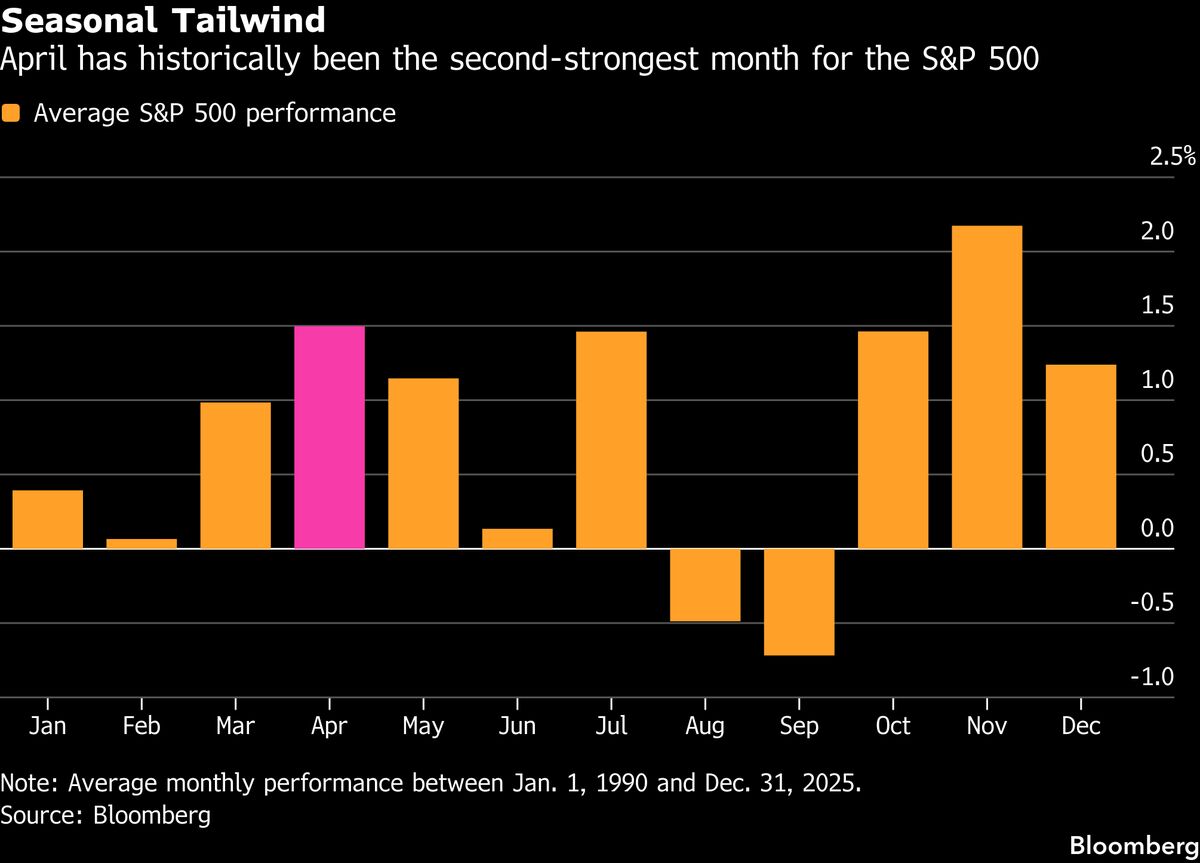
Seasonal patterns have long been a topic of interest for market strategists, who analyze historical data to identify recurring trends. According to data compiled by market research firms, the fourth quarter of the year has historically been the strongest period for US equities. Since 1950, the S&P 500 has posted average gains of approximately 4% during the final three months of the year, outperforming other quarters.
This phenomenon, often referred to as the “Santa Claus rally,” is attributed to a combination of factors. End-of-year portfolio rebalancing by institutional investors, optimism surrounding corporate earnings reports, and the anticipation of holiday consumer spending have historically provided a boost to equities. Additionally, the period typically sees reduced trading volumes, which can amplify upward moves in the market.
Liz Young, Head of Investment Strategy at SoFi, noted, “Historically, we’ve seen a tendency for markets to find their footing in the fourth quarter. While it’s not a guarantee, this pattern often provides a tailwind for equities, especially after a challenging period.”
Current Market Context: Why This Matters Now
The potential for a seasonal boost comes at a critical juncture for US equities. After a strong start to the year, fueled by optimism about artificial intelligence and resilient corporate earnings, markets have faced renewed pressure in recent months. The Federal Reserve’s hawkish stance on interest rates, coupled with concerns about a potential economic slowdown, has led to heightened volatility.
In October alone, the S&P 500 experienced multiple sessions of steep declines, testing the resolve of even the most optimistic investors. However, as the calendar approaches November, some analysts argue that much of the negative sentiment may already be priced in. This sets the stage for a potential recovery, particularly if economic data begins to show signs of stabilization.
“The market has been pricing in a lot of risks—higher rates, geopolitical tensions, and uncertainty about the economic outlook,” said Michael Arone, Chief Investment Strategist at State Street Global Advisors. “If we start to see any positive surprises in the data or policy outlook, that could provide a catalyst for a rebound.”
Risks to Watch: Balancing Optimism with Caution
While the historical seasonal pattern offers a reason for optimism, analysts caution that investors should not rely solely on this trend. External factors, including macroeconomic developments and geopolitical events, could still influence market direction.
One key concern is the trajectory of inflation and monetary policy. While the Federal Reserve has signaled that it may pause its rate-hiking cycle, persistent inflationary pressures could prompt further tightening, weighing on equities. Additionally, the ongoing conflict in the Middle East and the US-China trade relationship remain potential sources of volatility.
Corporate earnings are another focal point. As companies report third-quarter results, investors will scrutinize guidance for signs of how businesses are navigating the current economic environment. Any indication of weakening demand or margin pressures could dampen market sentiment.
Technological advancements, particularly in the field of artificial intelligence, continue to be a bright spot, with companies in the tech sector driving much of the market’s gains this year. However, the sector’s high valuations have raised concerns about sustainability, particularly if interest rates remain elevated.
Expert Perspectives: Navigating the Path Ahead
Market strategists emphasize the importance of a balanced approach in the current environment. While seasonal trends provide a reason to be optimistic, a diversified portfolio and a focus on quality remain key principles for navigating uncertainty.
“Investors should remain cautious but not overly conservative,” said Kristina Hooper, Chief Global Market Strategist at Invesco. “The potential for a seasonal boost is there, but it’s essential to stay disciplined and focus on long-term fundamentals rather than short-term market movements.”
Others point to the opportunities that volatility can create. “Market pullbacks can be a chance to add to positions in high-quality companies,” said John Lynch, Chief Investment Officer at Comerica Wealth Management. “With valuations becoming more attractive, there are compelling opportunities for investors with a longer-term horizon.”
Conclusion: A Season of Opportunity Amid Uncertainty
As the year draws to a close, US equities face a delicate balance of risks and opportunities. While historical seasonal trends suggest the potential for a rebound, external factors could still influence market direction. Investors navigating this complex landscape must weigh the optimism of historical patterns against the realities of the current economic and geopolitical environment.
For now, the market’s path remains uncertain, but the prospect of a year-end rally offers a glimmer of hope. As one analyst aptly summarized, “Seasonal patterns are one piece of the puzzle, but the broader picture will ultimately determine where equities go from here.”
