


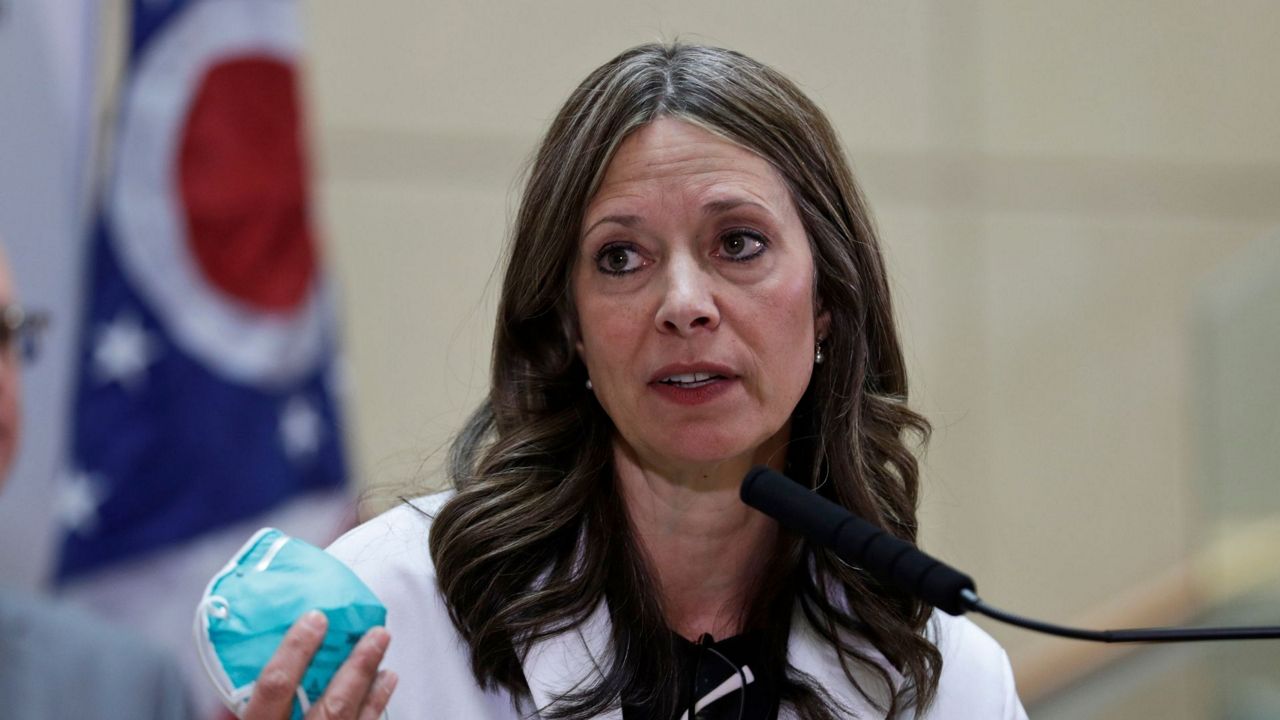

Dr. Amy Acton Unveils Affordable Ohio Plan Ahead of Governor Race
Ohioans struggling with rising costs may soon find relief if Dr. Amy Acton, a Democratic candidate for governor, wins the upcoming election. On Wednesday, Acton revealed her comprehensive economic plan aimed at easing financial burdens for residents across the state. Her running mate, David Pepper, emphasized that the plan is designed to put money back into the pockets of working families who have been overlooked in recent years.
The proposal, dubbed the “Lowering Costs Affordability Agenda,” targets key areas such as healthcare, taxes, and utility expenses. Acton and Pepper are focusing on reducing prescription drug prices, healthcare premiums, and even forgiving medical debt for those overwhelmed by bills.
One of the standout pledges is ensuring that data centers—not taxpayers—foot the bill for their utility costs. The plan also introduces an Earned Income Tax Credit (EITC) and a Child Tax Credit, which could return thousands of dollars annually to low-income families.
“We’ve seen decades of tax breaks benefiting the wealthiest Ohioans,” Pepper said during the announcement. “Our mission is to give tax cuts to the hardworking families who haven’t experienced those advantages.”
A Plan That Sparks Debate
While the proposal has garnered attention for its focus on affordability, questions remain about how it will be funded. Acton’s campaign has yet to provide specifics on financing, leaving some experts cautious.
Greg Lawson, a senior fellow at the Buckeye Institute, expressed mixed feelings about the plan. “The concept is commendable, but the financial implications could be significant,” he said. “We’re in a volatile economic climate, and adding new spending programs without clarity on funding could create budgetary challenges.”
The plan has also drawn criticism from political opponents. Vivek Ramaswamy’s campaign swiftly responded, accusing Acton of adopting a “liberal agenda” that could lead to higher taxes and increased government spending. “Amy Acton’s plan means billions in new spending, and working families will ultimately pay the price,” said Ramaswamy’s spokesperson, Connie Luck.
Ramaswamy, a Republican candidate, has proposed his own economic strategy, which includes phasing out Ohio’s income tax and reducing energy bills. However, like Acton’s plan, details on funding remain unclear.
A Human-Centered Approach
Acton’s campaign is banking on the plan’s appeal to everyday Ohioans who feel left behind by current policies. By focusing on tangible measures like tax credits and healthcare relief, she aims to connect with voters who are grappling with the state’s rising cost of living.
“Our goal is to directly help those who are overwhelmed by expenses,” Pepper said. “Through the Earned Income Credit and Child Tax Credit, families will see real savings every year if this plan is implemented.”
The announcement comes as Ohio’s gubernatorial race heats up, with affordability emerging as a central issue for voters. Both Acton and Ramaswamy are positioning themselves as champions of economic relief, but their differing approaches highlight the ideological divide in the state.
What’s Next?
With the election drawing closer, Acton’s plan is likely to face scrutiny from both opponents and policymakers. Whether her affordability agenda gains traction will depend on how well she addresses concerns about funding and feasibility.
For now, Ohioans eager for financial relief are watching closely, hopeful that the next governor’s policies will bring meaningful change to their wallets and lives.
— Reported by Nexio News
