



Philippines Grapples with Soaring Inflation Fueled by Global Energy Crisis
MANILA, Philippines – The Philippines is facing its steepest inflation surge in nearly two years, with March figures revealing a sharp escalation in consumer prices as the ripple effects of global energy market disruptions hit the Southeast Asian nation hard. The annual inflation rate jumped to 6.4%, the highest since September 2022, driven primarily by skyrocketing fuel costs amid escalating tensions in the Middle East and instability in global energy supply chains.
The alarming spike in prices underscores the vulnerability of the Philippines, a net energy importer, to external shocks. As the world grapples with the fallout of geopolitical conflicts, particularly the Iran-Saudi tensions and their impact on oil markets, the archipelago nation finds itself caught in the crossfire of a global energy crisis. Economists warn that without swift interventions, the inflationary pressures could erode household purchasing power, stifle economic recovery, and exacerbate poverty in a country where millions still live on the edge of subsistence.
Economic Pain Points
The Philippine Statistics Authority (PSA) reported that the transportation sector bore the brunt of the inflation spike, with fuel prices surging by 22.3% year-on-year. The cost of diesel, gasoline, and cooking oil all climbed significantly, pushing overall transport costs up by 12.9%. Food prices, a critical component of the consumer price index basket in a country where food accounts for a significant portion of household spending, also rose sharply. Rice, a staple for Filipinos, saw prices increase by 7.6%, while meat and fish prices climbed by 4.2% and 6.8%, respectively.
The inflationary surge is a stark reversal from the relative stability seen in late 2023, when inflation had eased to within the central bank’s target range of 2% to 4%. However, the recent uptick has reignited concerns about the fragility of the country’s economic recovery post-pandemic. Analysts attribute the current spike to a confluence of factors, including the lingering effects of Russia’s invasion of Ukraine, which has disrupted global grain and energy supplies, and the escalating tensions in the Middle East, particularly between Iran and Saudi Arabia, which threaten to further destabilize oil markets.
Global Energy Crisis Hits Home
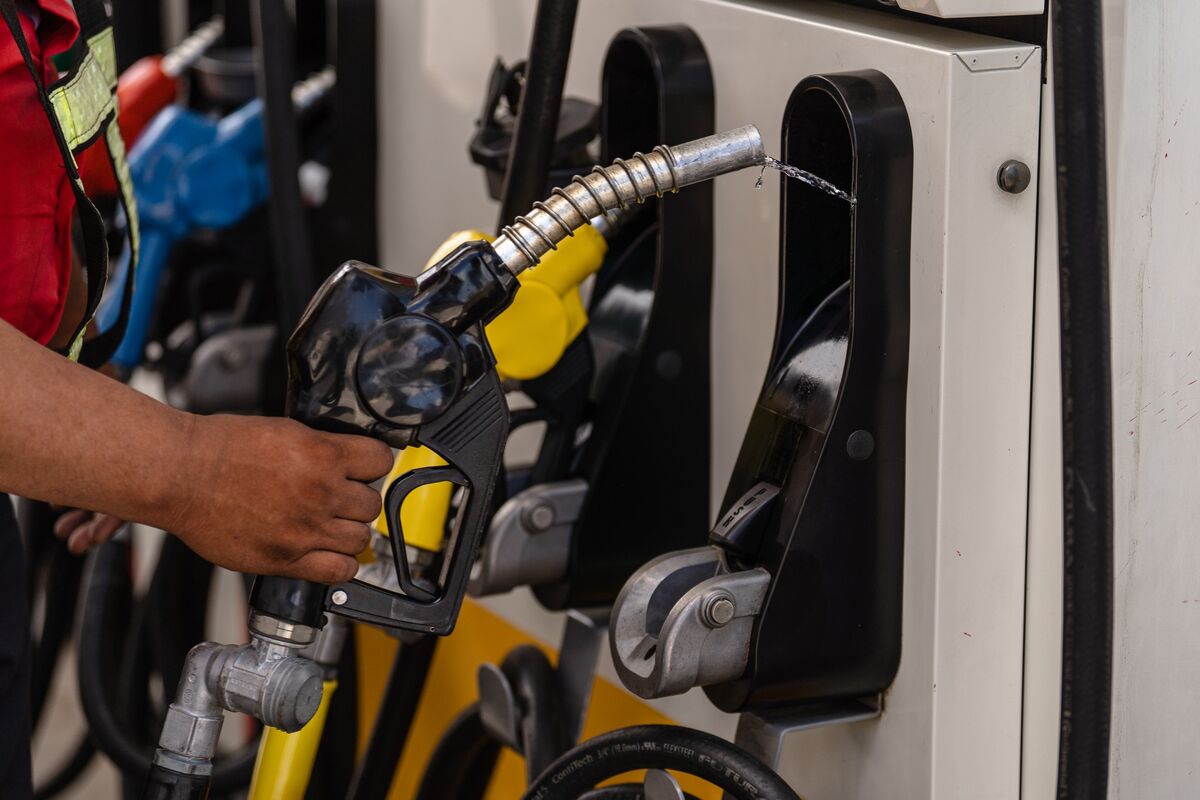
The Philippines, which imports nearly all of its oil, is particularly vulnerable to fluctuations in global energy prices. The recent spike in crude oil costs, driven by fears of supply disruptions in the Middle East, has translated into higher pump prices domestically. The government’s decision to lift pandemic-era fuel subsidies in late 2023 has further compounded the issue, leaving consumers and businesses exposed to the full brunt of rising costs.
To mitigate the impact, the Philippine government has reintroduced targeted subsidies for public utility vehicles and expanded cash assistance programs for low-income households. However, critics argue that these measures are insufficient to address the broader systemic issues plaguing the energy sector. “The reliance on imported energy exposes the Philippines to external shocks,” said Maria Cruz, an economist at the University of the Philippines. “Without a shift toward renewable energy and greater investment in domestic energy infrastructure, we will continue to be at the mercy of global market volatility.”
Central Bank Under Pressure
The sharp rise in inflation has put the Bangko Sentral ng Pilipinas (BSP), the country’s central bank, in a precarious position. After aggressively tightening monetary policy in 2022 to curb inflation, the BSP had paused its rate hikes in late 2023 as price pressures appeared to ease. However, the March figures have reignited calls for a more hawkish stance to prevent inflation from spiraling out of control.
“Given the current trajectory, it’s likely that the BSP will resume rate hikes in the coming months,” said Rajiv Biswas, Asia-Pacific chief economist at S&P Global Market Intelligence. “The challenge for policymakers is to balance the need to curb inflation with the risk of stifling economic growth.”
The BSP has indicated that it will closely monitor global oil prices and their impact on domestic inflation, but it faces a delicate balancing act. Raising interest rates too aggressively could dampen consumer spending and business investment, which are crucial drivers of economic growth in a country still recovering from the pandemic’s fallout.
Broader Implications
The inflation spike is not just an economic issue but also a social one. In a country where nearly a quarter of the population lives below the poverty line, rising prices for essentials like food and fuel can have devastating consequences. Many Filipinos have already been forced to cut back on meals or switch to cheaper, less nutritious alternatives, raising concerns about a potential malnutrition crisis.
The situation is particularly dire for small businesses, which are struggling to absorb the higher costs of inputs like fuel and electricity. “We’re caught between a rock and a hard place,” said Teresa Santos, a small-scale trader in Manila. “If we raise prices, we risk losing customers. If we don’t, we might go out of business.”
The government has sought to reassure the public, pledging to implement additional measures to stabilize prices and cushion the impact on vulnerable sectors. However, with global energy markets likely to remain volatile in the near term, the road ahead looks challenging.
A Call for Structural Reforms
Economists and policymakers agree that addressing the root causes of inflation will require more than just short-term fixes. Structural reforms, such as diversifying energy sources, investing in renewable energy, and improving agricultural productivity, are essential to building resilience against future shocks.
“The Philippines cannot afford to be complacent,” said Cruz. “The current crisis is a wake-up call for the government to prioritize long-term solutions that reduce our dependence on volatile global markets.”
Looking Ahead
As the Philippines navigates the dual challenges of inflation and energy insecurity, the stakes are high. The government’s ability to implement effective policies and foster economic stability will be crucial in determining the country’s trajectory in the coming months. While the immediate outlook remains uncertain, one thing is clear: the global energy crisis has underscored the interconnectedness of economies and the need for proactive, forward-thinking solutions.
For now, Filipinos are bracing for continued hardship, hoping that policymakers can steer the nation toward calmer waters. As the world watches, the Philippines serves as a stark reminder of the far-reaching consequences of geopolitical instability and the urgent need for resilience in an increasingly uncertain global landscape.
Balanced closing line: Amid the turbulence, the Philippines’ struggle highlights the delicate balance between immediate crisis management and the pursuit of sustainable solutions.
