


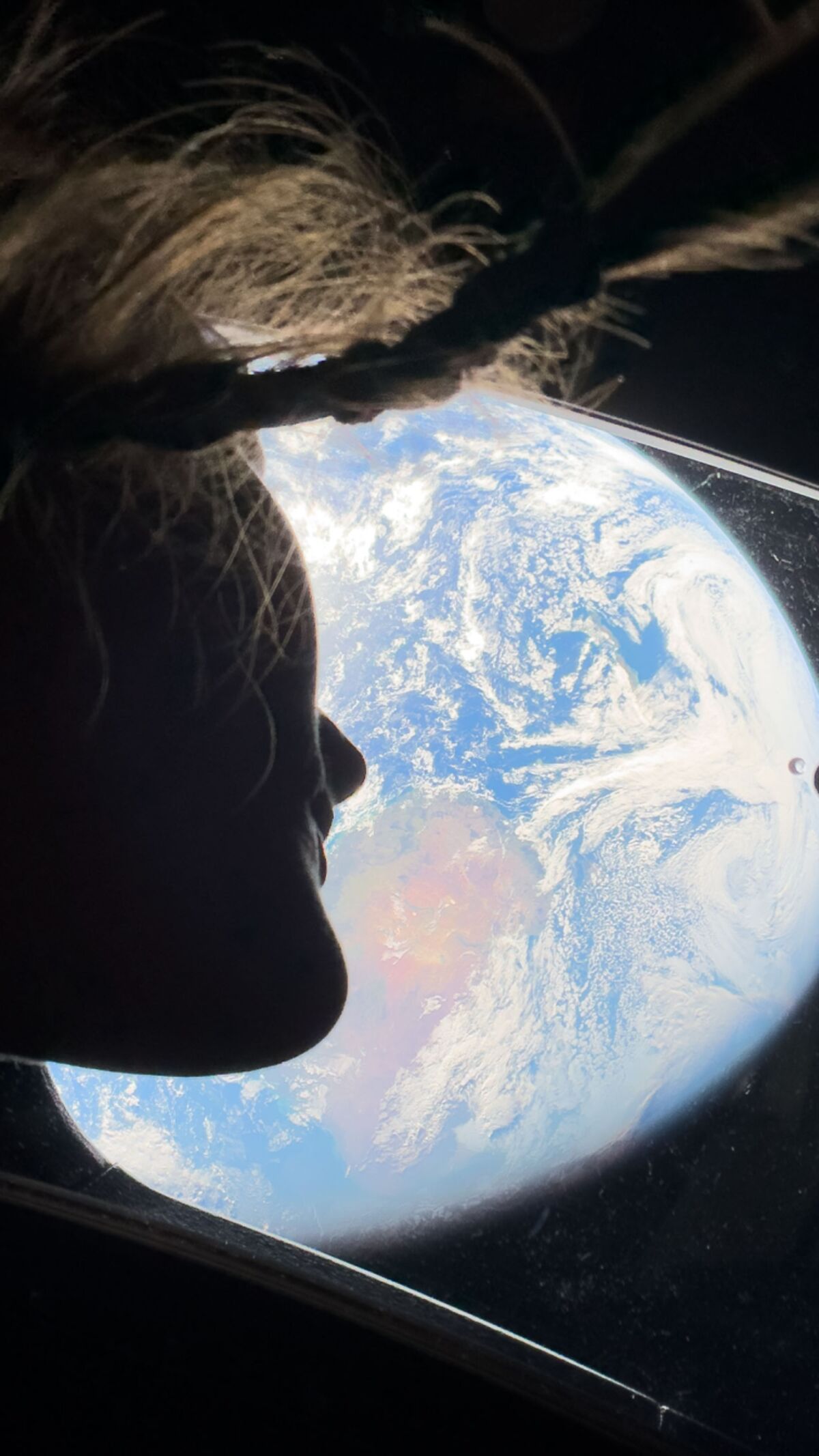

NASA’s Artemis Crew Sets New Milestones in Lunar Exploration as Mission Heads for Earth
In a historic feat of human space exploration, NASA’s Artemis II astronauts have successfully completed their lunar flyby, marking humanity’s closest encounter with the moon in over half a century. The crew, aboard the Orion spacecraft, ventured approximately 268,553 miles (432,194 kilometers) from Earth, surpassing the distance record set during the Apollo era. As the mission now heads for a triumphant return to Earth, anticipation builds for the next steps in NASA’s ambitious Artemis program, which aims to establish a sustainable human presence on the lunar surface and pave the way for future missions to Mars.
A Bold Journey into the Cosmos
The Artemis II mission, launched in late October 2023, represents a critical milestone in NASA’s efforts to return humans to the moon. The four-person crew—comprising three NASA astronauts and one Canadian Space Agency astronaut—embarked on a 10-day journey designed to test the capabilities of the Orion spacecraft and its systems. The mission included a crucial lunar flyby, during which the crew ventured closer to the moon than any human has since the Apollo 17 mission in 1972.
During the flyby, the Orion spacecraft swung behind the moon, temporarily losing contact with Earth—a moment that underscored the mission’s inherent risks and the technological advancements that made it possible. The maneuver also offered breathtaking views of the lunar surface, capturing the imagination of millions back on Earth who tuned in via NASA’s live broadcasts.
Bridging the Past and the Future
The Artemis program draws its name from the Greek goddess of the moon and twin sister of Apollo, symbolic of NASA’s commitment to building on the legacy of the Apollo missions. While Apollo was a product of the Cold War space race, Artemis represents a collaborative, international effort to explore the moon with long-term sustainability in mind.
Artemis II is the first crewed mission of the program, setting the stage for Artemis III, which aims to land astronauts on the lunar surface by 2025. Unlike Apollo, which relied on single-use spacecraft, Artemis employs reusable technology and partnerships with private companies like SpaceX, which is developing the lunar lander. This shift reflects a broader trend in space exploration, where governments and private enterprises work together to achieve ambitious goals.
The Artemis program also aims to send the first woman and the first person of color to the moon, addressing historical disparities in space exploration. Canada, a key partner in the mission, will also contribute to the construction of the Lunar Gateway, a space station that will orbit the moon and serve as a hub for future missions.
Records Broken and Challenges Overcome
The Artemis II mission has already made history by breaking the distance record for human spaceflight. The previous record—set by Apollo 13 in 1970—stood at 248,655 miles (400,171 kilometers) from Earth. Artemis II surpassed this milestone by nearly 20,000 miles, a testament to the advancements in spacecraft design and propulsion systems.
However, the journey has not been without its challenges. Deep space missions expose astronauts to prolonged periods of microgravity, increased radiation exposure, and psychological stress. The Orion spacecraft is equipped with advanced life support systems and shielding to mitigate these risks, but the data collected during Artemis II will be critical for ensuring the safety of future missions.
One of the mission’s most dramatic moments occurred during the lunar flyby, when the spacecraft temporarily disappeared from Earth’s view. This “loss of signal” period lasted approximately 15 minutes, during which the crew relied entirely on the spacecraft’s autonomous systems. The successful completion of this maneuver demonstrated Orion’s reliability and precision, instilling confidence in its ability to support even longer missions.
Global Implications and Scientific Promise
The Artemis program is not just a technological marvel; it also holds immense scientific potential. The moon’s surface harbors clues about the early history of the solar system, and its polar regions may contain water ice—a vital resource for sustaining life and producing fuel for deep space exploration. By establishing a sustainable lunar presence, NASA hopes to unlock these secrets and use the moon as a proving ground for technologies that will enable human missions to Mars and beyond.
The international community has taken note of Artemis’s significance. The mission underscores the United States’ leadership in space exploration while fostering collaboration with global partners. Countries like Canada, Japan, and several European nations are contributing technology and expertise, highlighting the shared ambition of expanding humanity’s reach into the cosmos.
However, the program also faces criticism. Some experts question the prioritization of lunar exploration when pressing challenges—such as climate change and economic inequality—require urgent attention on Earth. NASA has countered these concerns by emphasizing the technological spin-offs and economic benefits of space exploration, including advancements in medicine, materials science, and renewable energy.
The Road Ahead
As the Artemis II mission heads for Earth, all eyes are on the crucial re-entry phase. The Orion spacecraft will endure temperatures of up to 5,000 degrees Fahrenheit (2,760 degrees Celsius) as it hurtles through the Earth’s atmosphere. A successful splashdown in the Pacific Ocean will cap off the mission and provide a wealth of data to guide future Artemis missions.
Looking ahead, Artemis III promises to be even more groundbreaking, with plans to land astronauts near the moon’s south pole—a region of scientific interest due to its potential water ice deposits. This mission will also test advanced spacesuits and habitation systems, laying the groundwork for sustained lunar exploration.
The Artemis program represents a bold vision for humanity’s future in space. By returning to the moon, NASA aims not only to explore a new frontier but also to inspire the next generation of scientists, engineers, and dreamers. As the Artemis II crew prepares to touch down on Earth, their journey serves as a reminder of what humanity can achieve when we dare to venture beyond the known.
In the words of NASA Administrator Bill Nelson, “This is not just a mission—it’s a moment of discovery, courage, and unity. The moon is not the end goal; it’s the beginning of a new era in space exploration.” As the world watches Artemis unfold, one thing is clear: the cosmos beckons, and humanity is answering the call.
