


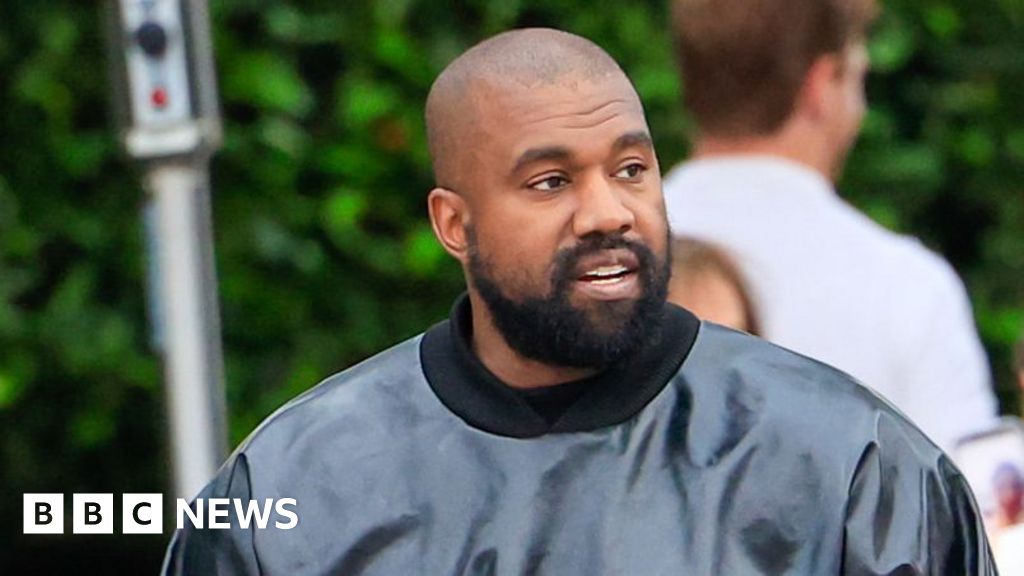

Kanye West Dropped from Festival Headline Slot Following Antisemitism Controversy
Kanye West has been removed as the headline act of a major summer music festival following sustained backlash over his history of antisemitic remarks. The controversial rapper, now known as Ye, was slated to top the bill in July, but organizers abruptly reversed course amid growing pressure from artists, sponsors, and advocacy groups.
The decision marks another setback for West, whose career has been overshadowed in recent years by inflammatory statements targeting Jewish communities. Festival officials confirmed the change in a brief statement, emphasizing a commitment to inclusivity but avoiding direct mention of the controversy.
Backlash and Industry Fallout
West’s scheduled appearance had drawn fierce criticism from activists and fellow musicians, with some threatening to boycott the event. His past remarks, including praise for Adolf Hitler and conspiracy theories about Jewish influence, have led to severed brand deals, dropped representation, and widespread condemnation.
The festival, a marquee event attracting tens of thousands, risks reputational damage by association. Several sponsors privately expressed concerns, and at least one major act reportedly reconsidered its participation if West remained on the lineup.
Broader Implications for Music and Culture
The controversy underscores the ongoing tension between artistic freedom and accountability in the entertainment industry. While West retains a loyal fanbase, his rhetoric has alienated institutions and corporate partners. High-profile festivals, reliant on sponsorships and public goodwill, are increasingly wary of backlash tied to polarizing figures.
Advocacy groups praised the decision as a necessary stand against hate speech. “Platforming antisemitism has consequences,” said a spokesperson for a leading civil rights organization. “This sends a message that bigotry won’t be tolerated, even from superstars.”
What’s Next for Ye?
West’s removal raises questions about his future in live music. Once a festival mainstay, he now faces dwindling opportunities as venues distance themselves. His recent attempts to revive his career—through independent releases and erratic public appearances—have failed to rebuild industry trust.
For the festival, securing a replacement headliner will be urgent. Organizers must balance fan expectations with commercial and ethical considerations in an era where artists’ off-stage behavior carries heavy consequences.
The move also reflects a broader cultural shift: audiences and brands are less willing to separate art from artist, especially when harmful ideologies are involved. As debates over cancel culture persist, West’s case may serve as a cautionary tale for performers and promoters alike.
