



Israeli Diplomacy in Turkey: A Frozen Relationship with Global Implications
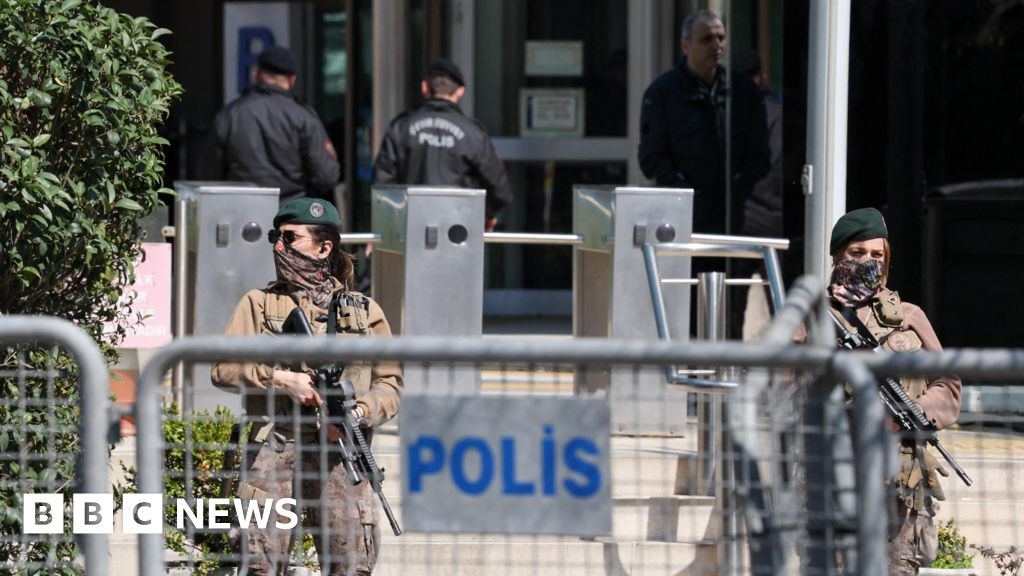
ISTANBUL, Turkey — The Turkish metropolis of Istanbul, a city straddling Europe and Asia, is often described as a bridge between civilizations. Yet, beneath its bustling streets and historic skyline lies a diplomatic void that speaks volumes about the strained relationship between two former allies. For the past two-and-a-half years, the Israeli consulate in Istanbul has stood empty, devoid of diplomats, staff, or the hum of international collaboration. This silent departure is not an isolated incident but a symptom of deepening fissures between Israel and Turkey—a relationship that once served as a cornerstone of stability in the Middle East.
The absence of Israeli diplomats in Turkey underscores a broader geopolitical rift with far-reaching consequences. As tensions escalate in the region and global powers jockey for influence, the frozen ties between these two nations could reshape alliances, impact regional security, and complicate international efforts to resolve conflicts.
A Relationship in Decline: From Allies to Adversaries
Israel and Turkey’s relationship was once a testament to the possibility of cooperation in a region often defined by discord. In the 1990s and early 2000s, the two nations enjoyed robust economic, military, and diplomatic ties. Turkey was one of the first Muslim-majority countries to recognize Israel, and their alliance was seen as a stabilizing force in the Middle East.
However, the relationship began to deteriorate in the late 2000s. The turning point was the 2010 Gaza flotilla incident, in which Israeli forces intercepted a Turkish-led aid convoy bound for the Gaza Strip, resulting in the deaths of nine Turkish activists. The incident sparked outrage in Turkey and led to a significant downgrade in diplomatic relations.
In 2018, Turkey expelled the Israeli ambassador in response to the killing of Palestinian protesters during clashes along the Gaza border. While diplomatic channels remained open, the relationship has been marred by mutual criticism over the Palestinian issue, Ankara’s growing ties with Hamas, and Israel’s deepening alliances with Turkey’s regional rivals, such as Greece and the United Arab Emirates.
The Empty Consulate: A Symbol of Broken Ties
The Israeli consulate in Istanbul, once a hub of diplomatic activity, has been vacant since early 2021. The closure came amid escalating tensions between the two nations, including harsh rhetoric from Turkish President Recep Tayyip Erdogan, who has repeatedly accused Israel of human rights violations against Palestinians.
The absence of Israeli diplomats in Turkey is not just a logistical issue but a symbolic one. Consulates serve as vital conduits for communication, trade, and cultural exchange. Their closure signals a breakdown in dialogue and a reluctance to engage at a time when regional crises demand cooperation.
The lack of diplomatic presence also affects Israeli citizens and businesses in Turkey. Without consular services, Israelis face challenges in accessing support for legal, medical, or emergency situations. Similarly, Turkish citizens seeking visas or other services must navigate additional hurdles, further straining people-to-people ties.
Global Context: Why This Matters
The frozen relationship between Israel and Turkey has implications far beyond their bilateral ties. Both nations play pivotal roles in regional and global security, and their inability to collaborate undermines efforts to address pressing challenges.
For the Middle East, the rift complicates efforts to mediate conflicts, particularly in Gaza and Syria. Turkey, as a key player in the region, has significant influence over Hamas, while Israel is a central actor in the Israeli-Palestinian conflict. Without dialogue, prospects for peace remain dim.
Globally, the strained relationship impacts NATO and U.S. strategic interests. Turkey, a NATO member, has historically balanced its relationships with Western allies and regional powers. Its tensions with Israel, a close U.S. ally, create friction within the alliance and complicate U.S. efforts to broker stability in the Middle East.
Furthermore, the absence of Israeli diplomats in Turkey reflects a broader trend of shifting alliances in the region. Israel’s normalization agreements with Arab states through the Abraham Accords have reshaped the geopolitical landscape, sidelining Turkey’s traditional role as a mediator. This dynamic has fueled Ankara’s frustration and contributed to its increasingly assertive foreign policy.
A Path Forward: Can the Rift Be Repaired?
Despite the current impasse, analysts suggest that reconciliation is not entirely out of reach. Both Israel and Turkey have pragmatic reasons to mend ties, particularly in the areas of energy cooperation and counterterrorism.
The discovery of natural gas reserves in the Eastern Mediterranean has created opportunities for collaboration. Joint energy projects could benefit both economies and reduce regional tensions. Additionally, shared concerns over terrorism and instability in Syria provide a potential avenue for cooperation.
However, significant obstacles remain. Domestic politics in both countries play a pivotal role, with leaders often leveraging anti-Israel or anti-Turkey rhetoric to rally support. The Palestinian issue remains a particularly contentious sticking point, with Turkey positioning itself as a staunch advocate for Palestinian rights.
Conclusion: A Silent Consulate, A Loud Message
The empty halls of the Israeli consulate in Istanbul are more than just a bureaucratic relic—they are a stark reminder of the diplomatic estrangement between two nations that once stood as pillars of regional stability. In a world increasingly defined by shifting alliances and geopolitical competition, the frozen ties between Israel and Turkey serve as a cautionary tale.
As global powers navigate the complexities of the Middle East, the absence of Israeli diplomats in Turkey underscores the urgent need for dialogue and cooperation. The region—and the world—cannot afford the consequences of prolonged discord. Whether this rift can be bridged will depend on the willingness of both nations to prioritize pragmatism over politics and diplomacy over division. For now, the silent consulate remains a powerful symbol of what has been lost—and what could still be regained.
