



Israeli Tank Fire Targets WHO-Marked Vehicle in Gaza, Raising Global Concerns Over Humanitarian Safety
October 2023, Gaza Strip
In the shadow of escalating violence in Gaza, a World Health Organization (WHO)-marked vehicle became the unlikely target of an Israeli tank attack, sending shockwaves through the international humanitarian community. The incident, which occurred near al-Aqsa hospital in central Gaza, has reignited urgent questions about the safety of aid workers and the sanctity of medical missions in conflict zones. Eyewitnesses reported that the vehicle, part of a coordinated convoy transporting patients to the Rafah crossing, was clearly branded with the WHO logo on all sides, yet it still came under fire. The attack has left the global community grappling with the implications of such actions, as the Gaza conflict intensifies and civilian casualties mount.
The Attack: A Breach of Humanitarian Norms
According to reports from Gaza, the targeted vehicle was being driven by Majdi Aslan, a local aid worker, as part of a WHO-led effort to evacuate critically ill patients from the besieged enclave. Witnesses described the scene as chaotic, with the convoy abruptly halted by incoming tank fire. The WHO has yet to release an official statement, but sources within the organization confirmed that the vehicle was unmistakably marked with its emblem—a universal symbol of neutrality and protection.
Israeli Defense Forces (IDF) have not publicly commented on the incident, leaving speculation about whether the attack was deliberate or the result of misidentification. However, the targeting of a clearly marked humanitarian vehicle has drawn condemnation from international observers. “This is a stark violation of international humanitarian law,” said a spokesperson for Médecins Sans Frontières (MSF). “Humanitarian workers and facilities must be protected, not attacked.”
Global Context: Gaza Conflict Escalates
The incident occurs against the backdrop of a worsening conflict in Gaza, where Israeli military operations have intensified following Hamas’s October 7 attacks on southern Israel. Over the past weeks, Gaza has witnessed relentless airstrikes, ground incursions, and a mounting humanitarian crisis. The United Nations estimates that over 5,000 Palestinians have been killed, including a significant number of women and children, while Israeli casualties have also risen sharply.
The WHO-led convoy was part of broader efforts to evacuate critically ill patients from Gaza’s overwhelmed hospitals, many of which are running out of fuel, medical supplies, and clean water. The Rafah crossing, Gaza’s only lifeline to Egypt, has been sporadically opened to allow limited evacuations, but the process has been fraught with delays and dangers. This latest attack underscores the perilous conditions faced by humanitarian workers, who risk their lives to deliver aid in increasingly hostile environments.
Why This Matters: A Global Humanitarian Crisis
The targeting of a WHO-marked vehicle is not just a local tragedy; it has profound global implications. It raises critical questions about the erosion of international humanitarian norms, particularly the principles of neutrality and protection for aid workers enshrined in the Geneva Conventions. Such incidents deter humanitarian organizations from operating in conflict zones, leaving vulnerable populations without lifesaving assistance.
Moreover, the attack highlights the broader challenges of delivering aid in Gaza, where blockades, airstrikes, and ground operations have created a labyrinth of obstacles. The international community, including the United Nations and major donor countries, has repeatedly called for unimpeded humanitarian access, yet these appeals have largely fallen on deaf ears. As the conflict drags on, the humanitarian toll continues to spiral, with millions of Palestinians facing dire shortages of food, water, and medical care.
The Human Cost: Stories from the Frontlines
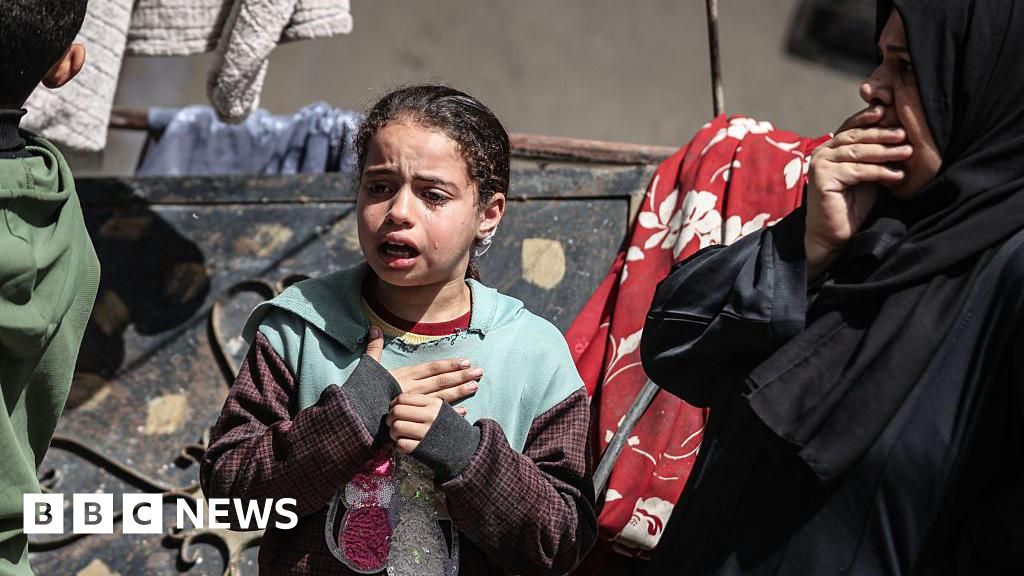
Behind the headlines are the harrowing stories of those caught in the crossfire. At al-Aqsa hospital, where the WHO convoy originated, doctors and nurses are struggling to cope with an overwhelming influx of casualties. Patients lie on the floor, hooked to dwindling oxygen supplies, while children scream in pain from untreated wounds.
For aid workers like Majdi Aslan, the risks are ever-present. Many are locals who have lived through multiple conflicts, yet their dedication to saving lives remains unwavering. “We know the dangers,” said a colleague of Aslan, who requested anonymity. “But we have no choice. If we don’t help, who will?”
International Response: Calls for Accountability
The attack has prompted swift reactions from global leaders and humanitarian organizations. UN Secretary-General António Guterres called for an immediate investigation, emphasizing that “humanitarian workers must never be targeted.” The International Committee of the Red Cross (ICRC) echoed these sentiments, urging all parties to respect international humanitarian law.
Meanwhile, advocacy groups are demanding accountability. “This cannot be swept under the rug,” said a spokesperson for Human Rights Watch. “Those responsible must be held to account to prevent such incidents from happening again.”
Conclusion: A Stark Reminder of the Cost of Conflict
As the world watches the Gaza conflict unfold, the attack on the WHO-marked vehicle serves as a grim reminder of the human cost of war. It underscores the urgent need for a ceasefire and unimpeded humanitarian access, not just in Gaza but in all conflict zones where civilians bear the brunt of violence.
At its core, this incident is a test of the international community’s commitment to humanitarian principles. Will world leaders step up to protect aid workers and civilians, or will such attacks become the new norm? The answer will shape the future of global humanitarian efforts—and the lives of millions caught in the crossfire. For now, the world waits, hoping that humanity triumphs over the horrors of war.
