



US Vice-President JD Vance’s Budapest Visit Sparks Global Debate Over Democracy and Alliances
A political earthquake shook Budapest this week as US Vice-President JD Vance delivered a controversial and impassioned endorsement of Hungarian Prime Minister Viktor Orbán, reigniting global debates about the future of democracy, NATO unity, and the shifting sands of international alliances.
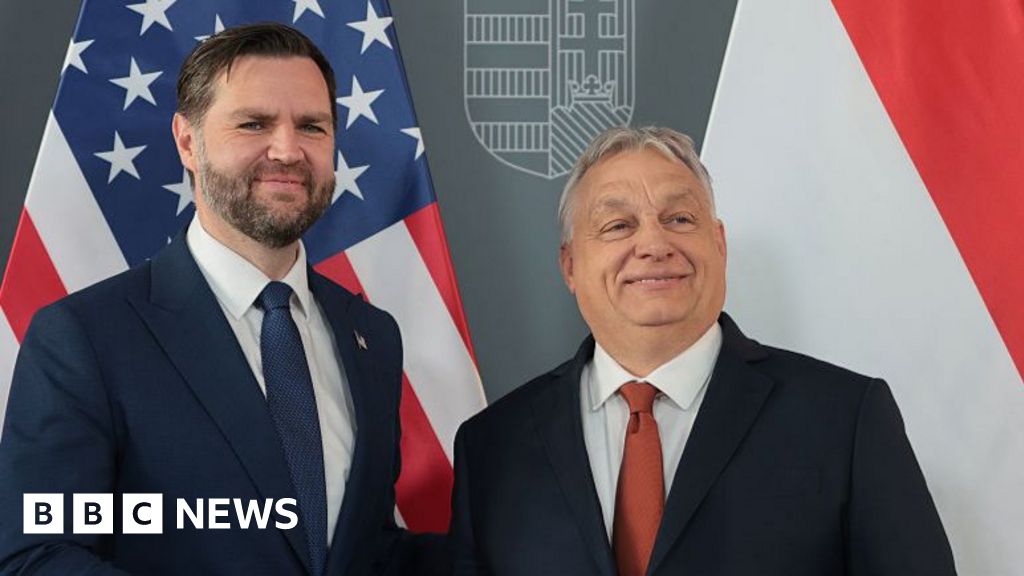
In a rare and unexpected move, Vance, known for his populist leanings and skepticism of traditional US foreign policy, stood shoulder-to-shoulder with Orbán during a high-profile visit to Hungary. The Vice-President praised Orbán’s leadership, describing him as a “visionary” and a “steadfast defender of national sovereignty.” This endorsement has sent shockwaves through diplomatic circles, drawing sharp criticism from US allies in Europe and raising questions about the Biden administration’s commitment to democratic values abroad.
A Controversial Alliance in a Divided World
Vance’s endorsement of Orbán comes at a time when Hungary’s leader is increasingly isolated on the European stage. Orbán has long been criticized for undermining democratic institutions, curtailing press freedom, and maintaining close ties with authoritarian regimes, including Russia and China. His government’s recent actions, such as blocking EU aid to Ukraine and refusing to support NATO initiatives, have further strained Hungary’s relationships with its Western partners.
Against this backdrop, Vance’s visit is seen as a deliberate pivot away from traditional US foreign policy priorities. While Washington has historically championed democracy and the rule of law, Vance’s embrace of Orbán signals a potential shift toward a more transactional and nationalist approach. This has alarmed European leaders, who fear it could embolden other populist leaders across the continent and weaken the Western alliance at a critical juncture.
Global Context: Democracy Under Pressure
The Budapest visit is not an isolated incident but part of a broader trend of democratic backsliding worldwide. From Brazil to India, populist leaders have risen to power by exploiting economic grievances and cultural anxieties, often at the expense of democratic norms. Orbán himself has been a vocal proponent of what he calls “illiberal democracy,” a model that prioritizes national identity over pluralism and individual rights.
This trend has profound implications for global security. As democracies weaken, authoritarian regimes gain ground, reshaping the international order in their image. The erosion of democratic values also undermines the cohesion of institutions like NATO, which rely on shared principles to function effectively. Vance’s endorsement of Orbán, therefore, is not just a diplomatic misstep but a potential threat to the stability of the Western alliance.
Why It Matters: A Fragile International Order
The stakes could not be higher. At a time when the world is grappling with the fallout from Russia’s war in Ukraine, the rise of China, and the climate crisis, unity among democratic nations is essential. Yet Vance’s actions risk fracturing this unity, sending a message that the US is willing to overlook democratic abuses for the sake of political expediency.
The Budapest visit also highlights growing divisions within the US itself. Vance’s populist rhetoric resonates with a significant portion of the American electorate, who are disillusioned with traditional foreign policy elites. This internal polarization threatens to undermine America’s leadership on the global stage, creating a vacuum that authoritarian powers are eager to fill.
Human Impact: A Growing Divide
Beyond the geopolitical implications, Vance’s endorsement has a deeply personal dimension. For many Hungarians, Orbán’s government represents a retreat from the democratic gains of the post-Cold War era. Activists, journalists, and opposition leaders have faced harassment and intimidation, while independent media outlets have been silenced. Vance’s praise for Orbán feels like a betrayal to these individuals, who have long looked to the US as a beacon of hope.
Similarly, the visit has sparked outrage among US allies in Europe, who view it as a betrayal of shared values. Leaders in Poland, Germany, and France have expressed concern that Washington’s shifting priorities could embolden far-right movements across the continent. This growing divide threatens to weaken the transatlantic partnership at a time when solidarity is needed more than ever.
A Defining Moment for Global Leadership
Vance’s Budapest visit is more than a diplomatic faux pas; it is a defining moment for global leadership. At a time when democracy is under siege, the US has a unique responsibility to defend democratic values and uphold the rules-based international order. Yet Vance’s embrace of Orbán risks undermining this mission, sending a dangerous signal that the world’s foremost democracy is willing to compromise its principles for short-term gains.
As the dust settles on this controversial visit, the world will be watching closely to see how the Biden administration responds. Will it reaffirm its commitment to democracy and unity, or will it succumb to the allure of populism and division? The answer could shape the course of global politics for years to come.
In a world increasingly defined by uncertainty and division, the stakes could not be higher. The Budapest visit is a stark reminder that the fight for democracy is far from over—and that the choices we make today will echo far into the future.
