


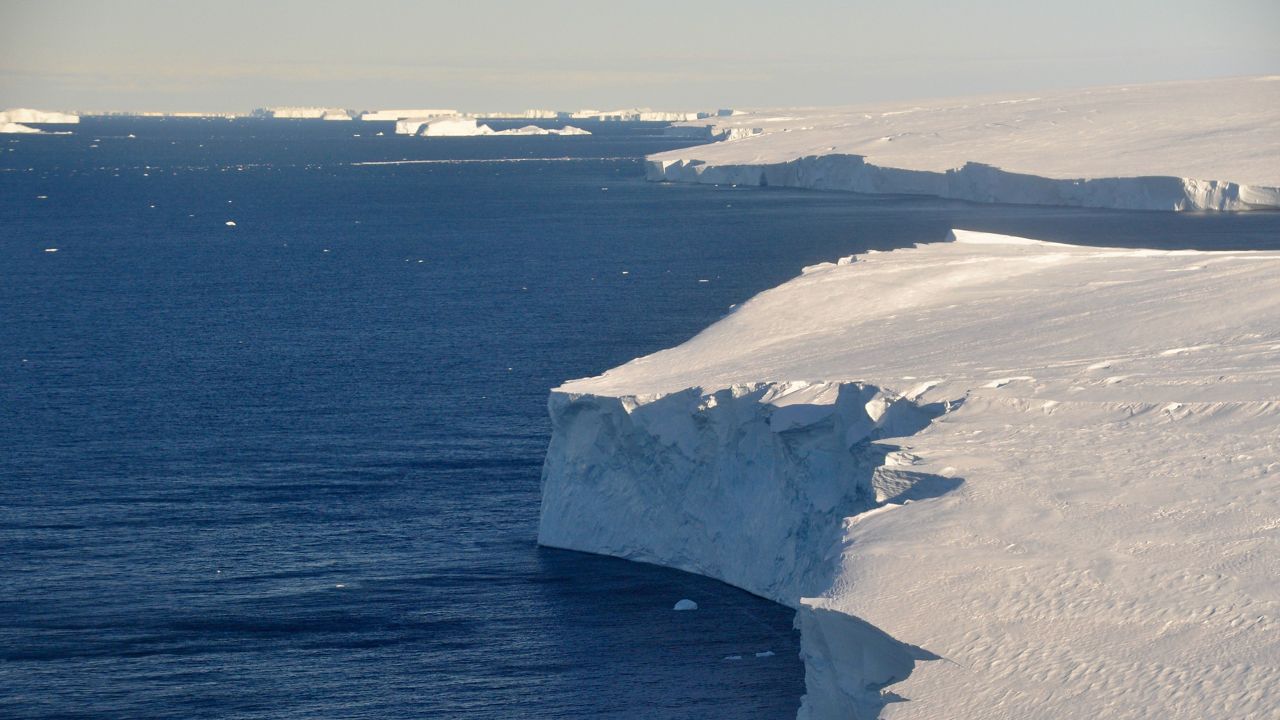

Melting Glaciers in High Mountain Asia Threaten Water Security for Millions, Study Warns
A groundbreaking study has revealed that the accelerating melt of glaciers in High Mountain Asia could jeopardize the water resources of millions of people, raising alarms about the region’s future water security. Published in the journal Scientific Reports, the research highlights significant ice loss in glacier systems often referred to as the “water towers of Asia” between 2002 and 2023.
The Study’s Findings
Led by Jaydeo Dharpure, a postdoctoral research associate at The Ohio State University’s Byrd Polar and Climate Research Center, the study utilized satellite data from NASA’s GRACE missions to track changes in the Earth’s gravity field. This allowed researchers to measure yearly fluctuations in glacier mass.
The findings show a steady increase in ice and water loss across the region, with notable variability in glacier melt patterns. For instance, the Eastern Kunlun mountain range in western China has gained ice in recent decades, while the nearby West Tien Shan mountains have experienced rapid mass losses. Researchers attribute these differences to factors like climate change, shifts in precipitation patterns, and solar radiation.
Why This Matters
High Mountain Asia is home to more than 95,000 glaciers spread across 15 sub-regions. These glaciers are critical to local ecosystems and communities, providing meltwater for drinking, agriculture, hydropower generation, and renewable energy. Any disruption in glacier mass can have far-reaching consequences, including short-term flooding and long-term water shortages.
“Decreasing glacial mass change can threaten infrastructure and increase the risk of loss of life,” Dharpure explained. “While some ice losses and major disturbances are inevitable, glaciers play an important role for people living beside them, so learning to better monitor their evolution is a must.”
Risks to Communities
The melting glaciers not only threaten water security but also pose direct dangers to nearby populations. As glaciers retreat, new lakes and rivers form, increasing the risk of catastrophic floods and landslides. These hazards could displace communities and damage critical infrastructure.
“This is important work because if these glaciers vanish in the future, downstream communities won’t just experience drinking or agricultural water shortages,” Dharpure emphasized. “Scientists must be prepared to monitor the many issues that disappearing glaciers cause for the billions of people they affect.”
A Call to Action
The study underscores the urgent need for enhanced monitoring and mitigation strategies to address the impacts of glacier melt. Researchers stress that understanding the complex interplay of factors driving glacier loss is crucial for developing adaptive measures to protect vulnerable populations.
As climate change continues to reshape the planet’s cryosphere, the fate of High Mountain Asia’s glaciers serves as a stark reminder of the interconnected challenges facing humanity. The region’s glaciers are not just icy giants; they are lifelines for millions, and their decline could trigger cascading consequences for ecosystems and economies across Asia.
Conclusion
The findings from this study highlight the fragility of High Mountain Asia’s glaciers and the urgent need for global action to address climate change. As the world grapples with the impacts of a warming planet, the plight of these glaciers serves as a poignant call to safeguard the planet’s natural resources for future generations.
— Reported by Nexio News
