



Chinese Oil Tankers Navigate Tense Strait of Hormuz Amid US-Iran Ceasefire Uncertainty
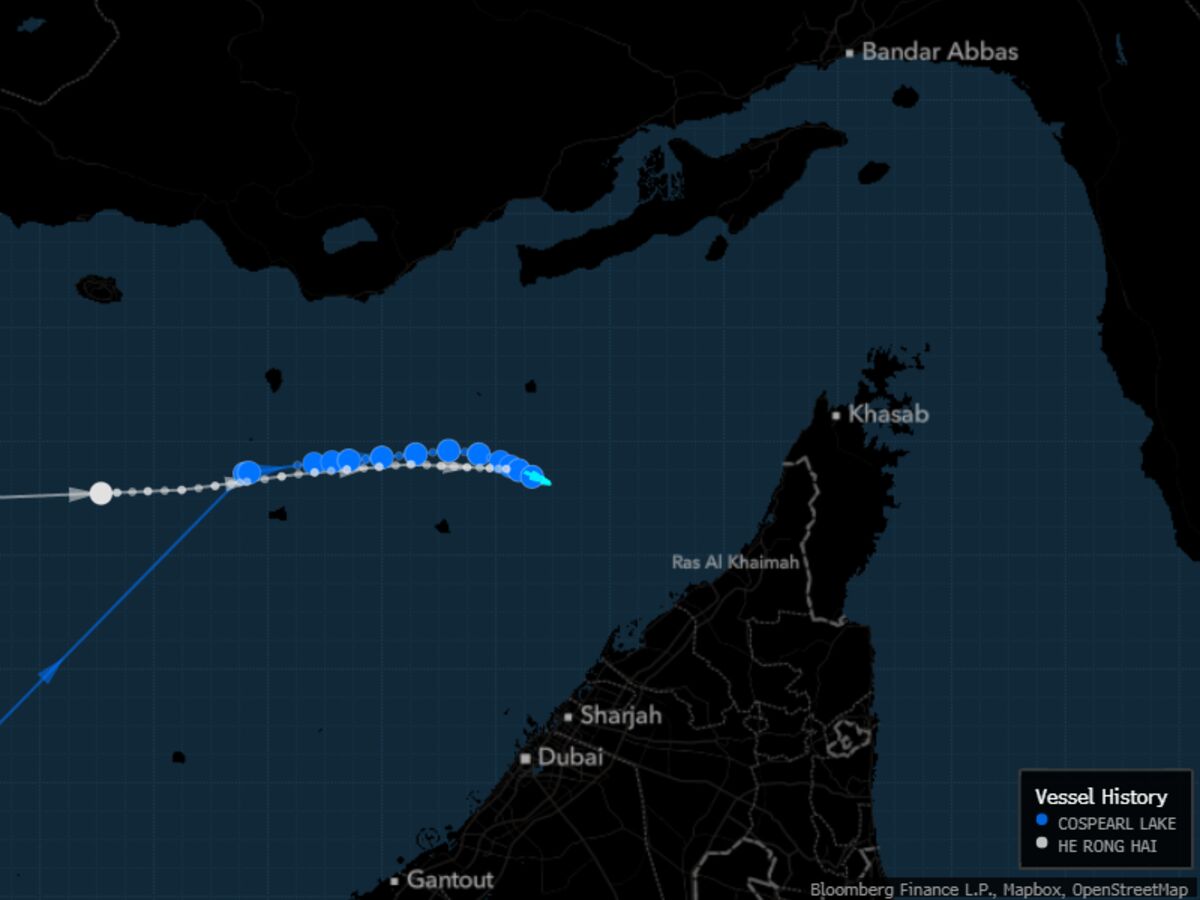
In a delicate geopolitical moment, two fully laden Chinese oil tankers are approaching the Strait of Hormuz, a critical maritime chokepoint that has long been a flashpoint in US-Iran tensions. The vessels’ passage could mark the first major test of a fragile, day-old ceasefire between Washington and Tehran, as global shipping companies anxiously assess the security of one of the world’s most vital oil routes.
The Strait of Hormuz, a narrow waterway connecting the Persian Gulf to the open seas, carries nearly one-fifth of the world’s oil supply. Its strategic importance cannot be overstated, making it a focal point for geopolitical maneuvering and conflict. The arrival of the Chinese tankers comes at a pivotal time, as stakeholders in the shipping industry closely monitor the situation amid fears of renewed hostilities or disruptions to trade.
The Ceasefire Context
The ceasefire agreement between the US and Iran, announced just 24 hours before the tankers began their approach, was brokered after months of escalating tensions. The deal aims to de-escalate a simmering conflict that has seen incidents such as the seizure of tankers, sabotage of vessels, and targeted airstrikes. While the agreement has been heralded as a potential turning point, its fragility is evident, with analysts warning that any misstep could reignite hostilities.
The two Chinese tankers, reportedly carrying millions of barrels of oil, are now navigating waters that have been a theater of conflict in recent years. Their journey underscores the risks faced by global shipping companies operating in the region, particularly as Iran has repeatedly threatened to close the Strait of Hormuz in response to US sanctions or military actions.
A High-Stakes Economic Corridor
The Strait of Hormuz is not just a geopolitical hotbed; it is a lifeline for the global economy. Every day, an estimated 17 million barrels of oil pass through the strait, making it indispensable to energy markets worldwide. Any disruption to its operations could send shockwaves through global oil prices, impacting industries and consumers alike.
For China, the stakes are particularly high. As the world’s largest importer of crude oil, Beijing relies heavily on shipments from the Persian Gulf to fuel its massive economy. The two tankers, operated by state-linked Chinese companies, symbolize Beijing’s broader strategic interests in securing its energy supply chains. Their passage through the strait is a calculated move, reflecting China’s growing influence in the region and its ability to navigate complex international dynamics.
Shipowners’ Dilemma
As the Chinese tankers approach the strait, global shipping companies are grappling with a difficult decision: whether to follow suit or hold back until the situation becomes clearer. The ceasefire, while promising, remains untested, and the risks of renewed conflict loom large.
Industry insiders report that many shipowners are opting for a cautious approach, delaying voyages or rerouting vessels to avoid potential trouble. Insurance premiums for ships passing through the strait have surged in recent years, reflecting the heightened risks. For some companies, the financial and operational costs of navigating the strait amid uncertainty are simply too high.
However, others view the ceasefire as an opportunity to resume normal operations and capitalize on reduced tensions. The Chinese tankers’ journey could serve as a bellwether for the industry, signaling whether it is safe to return to business as usual in the region.
The Broader Geopolitical Picture
The Strait of Hormuz is just one piece of a much larger geopolitical puzzle. The US-Iran ceasefire, while significant, is only a temporary fix to a deep-rooted conflict. Broader issues, such as Iran’s nuclear program and its regional influence, remain unresolved. The Biden administration has signaled its desire for a more comprehensive diplomatic solution, but progress has been slow and fraught with challenges.
Meanwhile, China’s involvement in the region adds another layer of complexity. Beijing has sought to deepen its ties with Tehran, signing a landmark 25-year cooperation agreement earlier this year. At the same time, China remains a major trading partner for Gulf Arab states, including US allies like Saudi Arabia and the UAE. Balancing these relationships requires deft diplomacy, particularly as tensions between the US and Iran persist.
What Lies Ahead?
As the Chinese tankers approach the Strait of Hormuz, the world watches closely. Their passage will be a litmus test for the ceasefire’s durability and a gauge of the region’s stability. If the vessels cross the strait without incident, it could bolster confidence among shipping companies and signal a tentative de-escalation. However, any sign of trouble could reignite fears and set back efforts to calm tensions.
For now, the situation remains fluid. Shipping companies, governments, and energy markets are all holding their breath, hoping that the ceasefire holds and that the Strait of Hormuz remains open and secure. In a world where geopolitical tensions and economic insecurities are increasingly intertwined, the stakes could hardly be higher.
As the global community navigates this precarious moment, one thing is clear: the Strait of Hormuz will continue to be a barometer for international stability, shaping the fortunes of nations, industries, and individuals alike. Whether this ceasefire marks the beginning of a lasting peace or merely a brief respite remains to be seen.
