



Navigating Market Volatility: Eastspring Investments Sees Opportunity Amid Turbulence
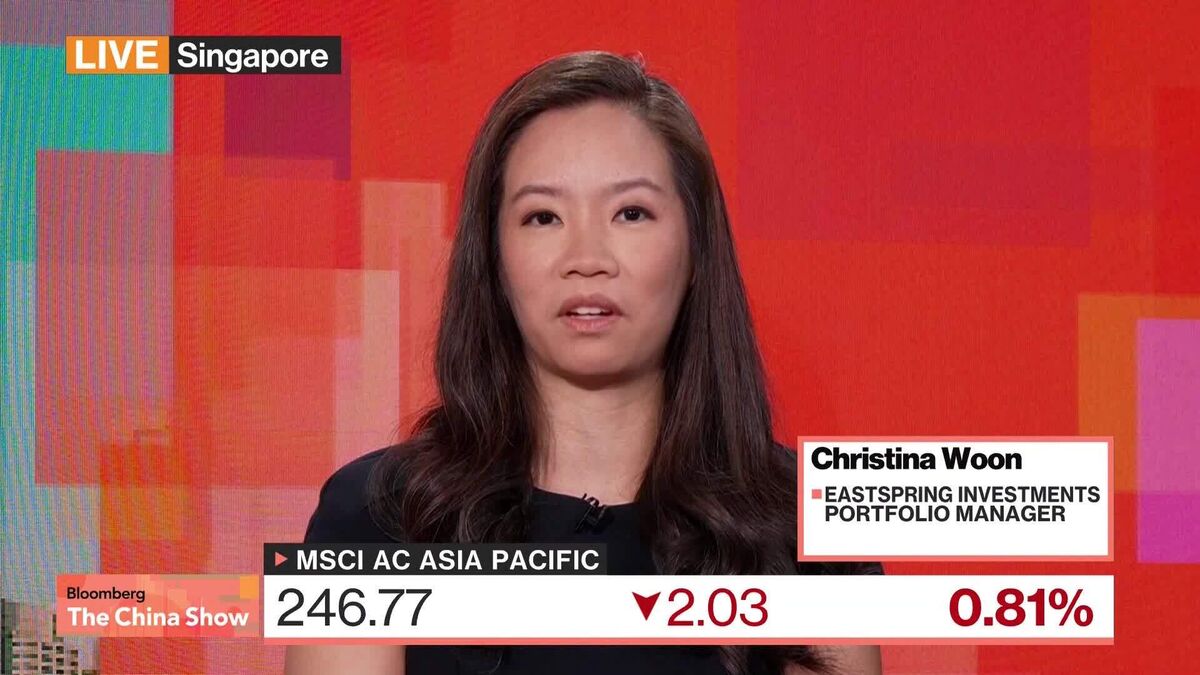
In an era defined by economic uncertainty and rapid market fluctuations, global investors are grappling with the dual challenge of mitigating short-term risks while identifying long-term opportunities. Against this backdrop, Christina Woon, a senior strategist at Eastspring Investments, has offered a compelling perspective: the current environment, despite its inherent volatility, presents a unique chance to uncover undervalued assets and “pick up some gems over the longer term.” Her insights, shared during a recent Bloomberg interview, underscore a growing sentiment among financial experts that turbulence, when approached strategically, can be a precursor to significant gains.
Eastspring Investments, the Asian asset management arm of Prudential plc, manages over $200 billion in assets and has long been a key player in the global investment landscape. Woon’s commentary comes at a time when markets worldwide are wrestling with a confluence of factors, including rising interest rates, geopolitical tensions, and lingering post-pandemic economic shifts. While these conditions have created a sense of caution among investors, Woon argues that they also offer a fertile ground for those willing to look beyond the immediate noise.
The Current Market Landscape: A Dual-Edged Sword
The global economy is navigating a complex interplay of forces that have kept markets on edge. Central banks in major economies, particularly the U.S. Federal Reserve and the European Central Bank, have aggressively raised interest rates in a bid to curb inflation. While these measures have shown some success in tempering price pressures, they have also led to tighter financial conditions and increased borrowing costs. This has weighed heavily on sectors such as real estate and technology, while also raising concerns about potential recessions in key regions.
Adding to the uncertainty are geopolitical developments, including the ongoing conflict in Ukraine and heightened tensions between the U.S. and China. These factors have disrupted supply chains, fueled energy price volatility, and introduced new risks for multinational corporations. Meanwhile, the post-pandemic recovery has been uneven, with some economies rebounding strongly while others struggle with sluggish growth and structural challenges.
Woon acknowledges the challenges posed by this environment but emphasizes that it also creates opportunities for discerning investors. “Volatility can be quite interesting from an opportunity perspective,” she notes, “because it allows you to capitalize on nearer-term fluctuations while identifying assets that have strong long-term potential.”
Identifying “Gems” in a Volatile Market
Woon’s optimism hinges on the ability to identify undervalued assets that may be overlooked in the midst of market turmoil. She points to several strategies that Eastspring Investments is employing to navigate the current landscape.
First, the firm is focusing on quality companies with robust fundamentals, including strong balance sheets, competitive advantages, and resilient business models. These companies, Woon explains, are better positioned to weather economic downturns and emerge stronger when conditions improve. She highlights sectors such as healthcare, consumer staples, and select technology firms as particularly attractive in this regard.
Second, Eastspring is taking a geographically diversified approach, seeking opportunities not only in developed markets but also in emerging economies. Woon notes that many Asian markets, for instance, offer compelling valuations and growth potential despite being overshadowed by global macroeconomic concerns. Countries like India and Indonesia, she argues, are benefiting from favorable demographic trends, increasing urbanization, and proactive economic reforms.
Third, the firm is adopting a flexible investment strategy that allows it to pivot quickly in response to changing conditions. This includes incorporating alternative assets, such as private equity and infrastructure, into portfolios to enhance returns and reduce dependence on traditional equities and bonds.
Lessons from Past Volatility: A Long-Term Perspective
Woon’s confidence in navigating the current environment is informed by historical precedent. She notes that periods of heightened volatility often coincide with the emergence of lucrative investment opportunities. The 2008 financial crisis, for example, was followed by a decade-long bull market that rewarded investors who had the foresight to buy undervalued assets during the downturn. Similarly, the COVID-19 pandemic-induced market slump in early 2020 gave way to a rapid recovery that caught many by surprise.
“History has shown that markets tend to overreact in times of uncertainty,” Woon observes. “By maintaining a disciplined, long-term focus, investors can capitalize on these overreactions and generate substantial returns.”
Challenges and Risks Remain
While Woon’s outlook is optimistic, she cautions that the path ahead is fraught with risks. Inflation, though moderating, remains stubbornly high in many regions, posing a persistent threat to purchasing power and corporate margins. Geopolitical tensions show no signs of abating, and the potential for further disruptions cannot be ruled out. Moreover, the lagged effects of interest rate hikes are still working their way through the economy, raising questions about the timing and severity of any potential downturn.
Investors, Woon advises, must remain vigilant and adaptable. This requires not only a thorough understanding of macroeconomic trends but also a willingness to reassess assumptions and adjust strategies as conditions evolve. Diversification, she stresses, remains a critical tool for managing risk and enhancing resilience.
A Balanced View: Embracing Uncertainty
As global markets continue to oscillate between hope and fear, Woon’s perspective offers a refreshing counterpoint to the prevailing narrative of caution. By reframing volatility as an opportunity rather than a threat, she provides a roadmap for investors seeking to navigate the complexities of the current environment.
For Eastspring Investments, this approach is emblematic of its broader philosophy: a commitment to delivering sustainable, long-term value for clients by leveraging expertise, innovation, and a deep understanding of global markets. As Woon succinctly puts it, “In times of turbulence, the key is to stay focused on the fundamentals and seize the opportunities that others may overlook.”
In the end, the current market environment serves as a reminder that uncertainty, while daunting, is an inherent feature of the investment landscape. For those with the vision and discipline to embrace it, the rewards can be substantial. As the global economy continues to evolve, the interplay between risk and opportunity will undoubtedly remain at the forefront of investor strategizing.
