


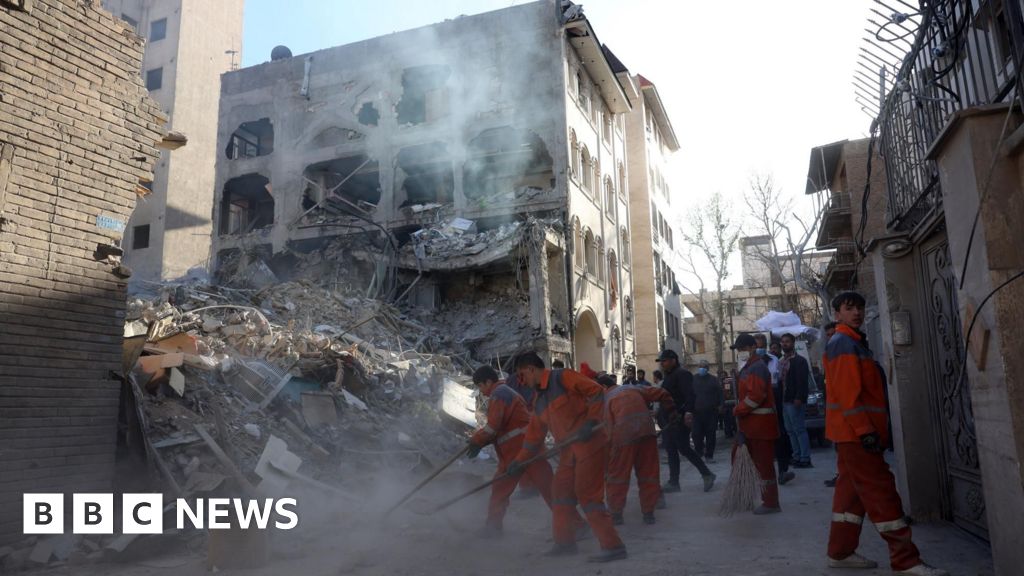

Global Tensions Escalate as US and Iran Clash Over Nuclear Deal Amid Rising War Fears
UN Chief “Deeply Troubled” as US-Iran Standoff Threatens Global Stability
The world watches with growing unease as tensions between the United States and Iran reach a dangerous boiling point. United Nations Secretary-General António Guterres has expressed deep concern over inflammatory rhetoric from both sides, warning that escalating threats could derail fragile diplomatic efforts to revive the 2015 nuclear deal. With the US ramping up pressure on Tehran and Iran refusing to back down, fears of a wider regional—or even global—conflict are mounting.
The stakes could not be higher. A collapse in negotiations risks rekindling a Middle East powder keg, destabilizing global energy markets, and emboldening extremist factions. As world leaders scramble to prevent another catastrophic war, the question remains: Can diplomacy prevail, or are we on the brink of disaster?
The Stalled Nuclear Deal: A Briefing on the Crisis
At the heart of the crisis lies the Joint Comprehensive Plan of Action (JCPOA), the landmark 2015 agreement that curtailed Iran’s nuclear program in exchange for sanctions relief. The deal unraveled in 2018 when then-US President Donald Trump withdrew, reimposing crippling economic penalties.
Since then, Iran has steadily expanded its uranium enrichment, moving closer to weapons-grade levels. President Joe Biden’s administration sought to revive the accord, but talks have stalled amid mutual distrust. Recent US threats of further sanctions—and Iran’s refusal to compromise—have pushed negotiations to the brink of collapse.
Guterres’ warning underscores the urgency: Without a breakthrough, the Middle East faces a potential arms race, with Saudi Arabia, Turkey, and others possibly pursuing their own nuclear programs in response.
Why This Conflict Matters Globally
1. Threat of War in an Unstable Region
The Middle East remains a tinderbox, with proxy wars in Yemen, Syria, and Iraq already straining international relations. A direct US-Iran confrontation could ignite a broader conflict, dragging in regional allies like Israel and Gulf states.
2. Oil Markets and Economic Shockwaves
Iran sits atop the world’s fourth-largest oil reserves. Any military action could disrupt global supply chains, sending fuel prices skyrocketing—a devastating blow to economies already reeling from inflation and post-pandemic recovery struggles.
3. Nuclear Proliferation Risks
If Iran acquires a nuclear weapon, neighboring states may follow suit, triggering a dangerous domino effect. The Non-Proliferation Treaty (NPT), a cornerstone of global security, could be irreparably damaged.
4. Humanitarian Fallout
Sanctions and war have already devastated Iranian civilians, with shortages of food and medicine worsening. A new conflict would deepen suffering, creating another refugee crisis at a time when Europe and the Middle East are ill-equipped to handle more displacement.
Global Reactions: Who Stands Where?
- United States: The Biden administration insists it prefers diplomacy but warns of “other options” if talks fail—a thinly veiled reference to military action.
- Iran: Tehran demands full sanctions relief before reversing nuclear advances, accusing the US of bad faith.
- European Union: Desperate to salvage the deal, the EU has mediated talks but faces growing frustration over delays.
- Russia & China: Both nations back Iran, using the crisis to challenge US influence in the region.
- Israel & Gulf States: Oppose any deal that leaves Iran with nuclear capabilities, pushing for tougher measures.
The UN Security Council remains divided, with Russia and China likely to veto aggressive actions against Iran. Without consensus, the risk of unilateral US or Israeli strikes grows.
What Happens Next?
Diplomacy is not yet dead, but the window for a peaceful resolution is closing fast. Analysts warn that if Iran crosses the nuclear threshold, military intervention becomes almost inevitable. Meanwhile, hardliners in both Washington and Tehran gain strength with each failed negotiation, making compromise politically perilous.
The world must now confront an uncomfortable truth: The path to war is shorter than the path to peace.
Conclusion: A Test for Global Leadership
As the US and Iran engage in a high-stakes game of brinkmanship, the international community faces a defining moment. Will leaders prioritize dialogue over escalation, or will miscalculation plunge the world into another devastating conflict?
The UN chief’s alarm is a stark reminder: Words matter, and in this volatile climate, one wrong move could set the Middle East—and the world—ablaze. The coming weeks will determine whether diplomacy can still pull us back from the edge.
