


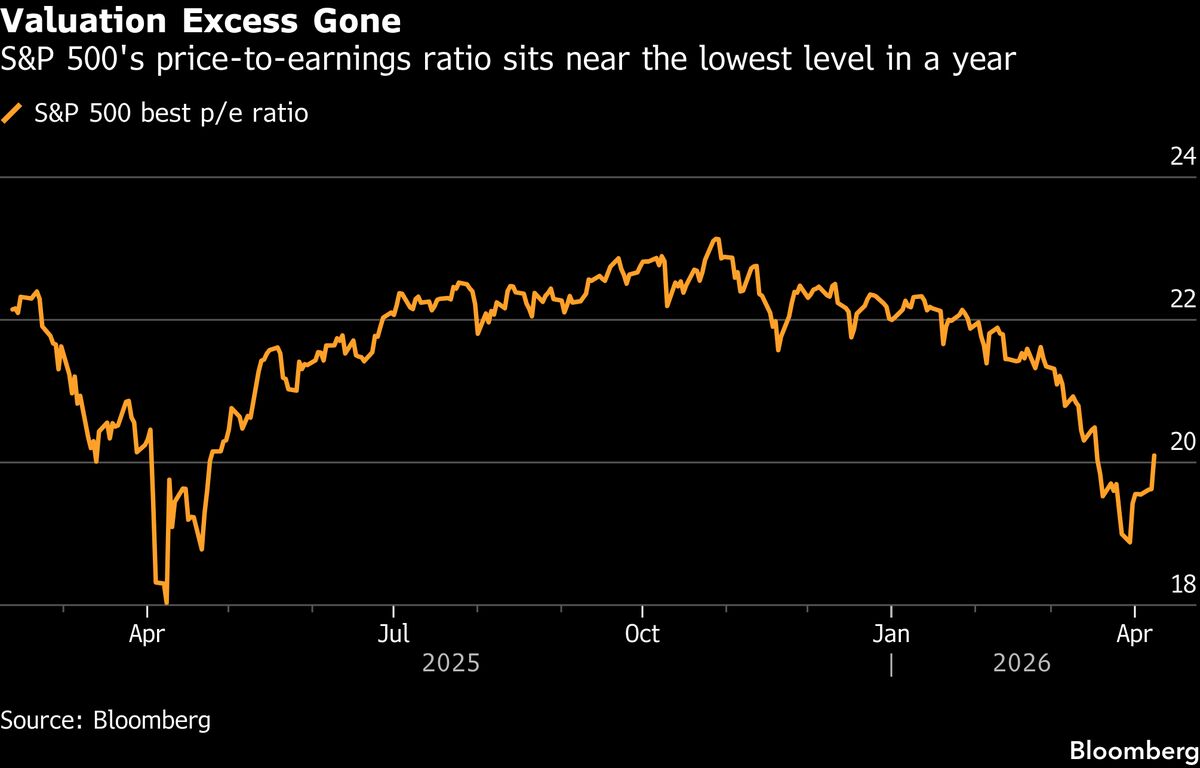

Global Investors Eye Earnings Season as Potential Catalyst for Equity Markets Amid Middle East Tensions
As the world grapples with escalating geopolitical tensions in the Middle East, global investors have been cautiously navigating volatile markets, trimming their exposure to equities in favor of safer assets. However, a new opportunity may soon emerge to reignite confidence in stock markets: the upcoming earnings season. With major corporations set to unveil their financial performance for the latest quarter, analysts and investors alike are closely watching whether corporate profits can provide the momentum needed to offset the uncertainty caused by geopolitical risks.
The backdrop to this cautious optimism is a global financial landscape increasingly shaped by unpredictable variables. In recent weeks, the intensifying conflict in the Middle East has sent shockwaves through markets, prompting a flight to safety. Investors have shifted funds into bonds, gold, and other defensive assets, wary of the potential economic fallout from prolonged instability in the region. Stock markets, particularly in Europe and Asia, have felt the brunt of this risk-off sentiment, with indices experiencing heightened volatility and downward pressure.
Yet, as the dust settles—at least temporarily—on the immediate market reactions to the crisis, attention is turning to the corporate world. The third-quarter earnings season, set to kick off in earnest over the coming weeks, could serve as a critical inflection point for equity markets. Historically, earnings seasons have provided a window into the health of the global economy, offering insights into consumer demand, corporate profitability, and broader economic trends. This year, with inflationary pressures easing in many regions and central banks nearing the end of their rate-hiking cycles, the outlook for corporate earnings appears cautiously positive.
Earnings Season: A Beacon of Stability?
For investors seeking clarity in uncertain times, earnings reports offer a tangible measure of corporate performance. Companies across sectors—from technology and healthcare to energy and consumer goods—are expected to reveal how they have navigated the challenges of rising interest rates, fluctuating commodity prices, and shifting consumer behavior. Early indications suggest that profitability may remain resilient, particularly among large-cap firms with diversified revenue streams and strong balance sheets.
In the United States, where corporate earnings drive a significant portion of market sentiment, analysts are forecasting modest growth in third-quarter profits. The S&P 500, a benchmark index of leading American companies, is expected to report earnings growth of approximately 3% year-over-year, according to data from financial research firms. This marks a notable improvement from the previous quarter, when earnings contracted amid concerns over slowing economic growth.
Technology giants, including Apple, Microsoft, and Alphabet, are anticipated to deliver robust results, bolstered by strong demand for cloud computing services and artificial intelligence technologies. Meanwhile, energy companies may face headwinds due to recent declines in oil prices, though many remain well-positioned to benefit from long-term trends in global energy demand.
In Europe, the picture is more nuanced. While companies in sectors such as luxury goods and pharmaceuticals are expected to perform well, others, particularly those exposed to weaker consumer spending, may struggle to meet expectations. In Asia, China’s economic recovery remains uneven, casting a shadow over regional earnings prospects. However, Japanese firms are poised to benefit from a weaker yen and stronger export activity.
Geopolitical Risks Remain a Wild Card
Despite the potential for positive earnings surprises, geopolitical risks continue to loom large over global markets. The Middle East conflict has introduced a layer of unpredictability that could disrupt supply chains, drive energy prices higher, and dampen investor sentiment. For now, oil prices have remained relatively stable, thanks in part to ample global supply and muted demand growth. However, any escalation in the crisis could quickly reverse this trend, with far-reaching implications for inflation and corporate profitability.
Moreover, the ongoing conflict underscores the fragility of the global economic recovery. Central banks, particularly the Federal Reserve and the European Central Bank, are walking a tightrope as they seek to balance the need for monetary tightening with the risk of tipping economies into recession. Higher interest rates have already weighed heavily on sectors such as real estate and consumer discretionary, and any further tightening could exacerbate these pressures.
Investors Prepare to Reassess Risk
For many investors, the upcoming earnings season represents a pivotal moment to reassess their portfolios. Those who retreated to the sidelines during the height of geopolitical uncertainty may view strong earnings as a signal to re-enter equity markets. At the same time, cautious investors may wait for clearer signs of stability before committing to riskier assets.
One key factor to watch will be corporate guidance—the forward-looking statements companies provide about their future performance. In an environment marked by uncertainty, transparent and confident guidance could reassure investors and bolster market sentiment. Conversely, cautious or downgraded forecasts could amplify fears of an economic slowdown.
A Global Balancing Act
As the world navigates a complex interplay of geopolitical risks and economic challenges, the upcoming earnings season offers a rare opportunity for clarity. While corporate profits alone cannot insulate markets from broader uncertainties, they may provide a stabilizing force in an otherwise turbulent environment. For investors, the question is whether earnings can outweigh the risks—a delicate balancing act that will shape market dynamics in the weeks and months ahead.
In the end, the direction of global equities may hinge on the ability of corporations to deliver not just strong results, but also a clear vision for navigating the uncertainties of today’s world. As always, the market’s response will be a reflection of both numbers and narratives—a reminder that in finance, as in geopolitics, perception often carries as much weight as reality.
