



Israel-Lebanon Conflict Escalates: Journalist Casualties Highlight Risks of Regional War
October 12, 2023
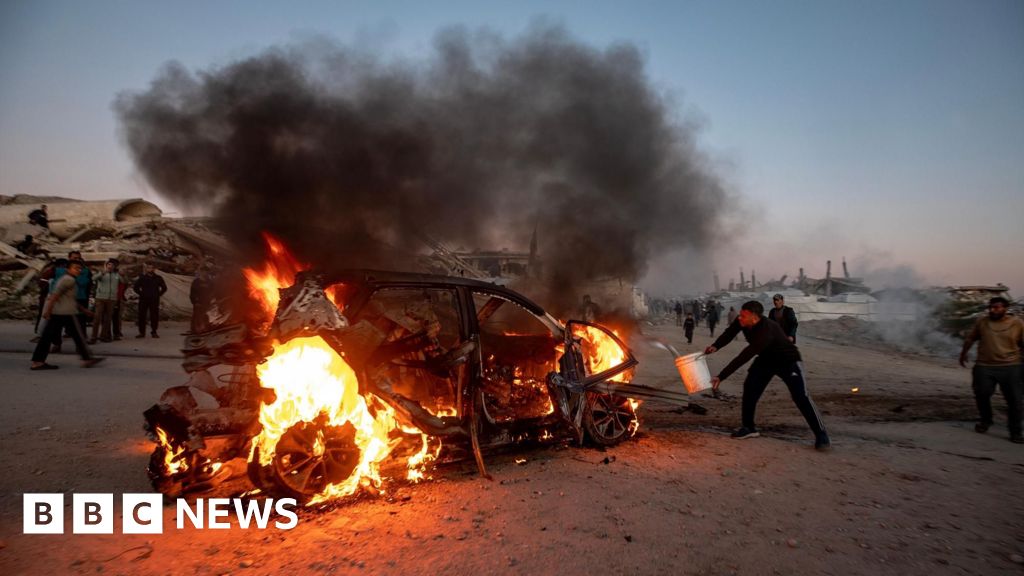
The death toll in the escalating conflict between Israel and Lebanon surged this week, claiming not only combatants and civilians but also journalists reporting from the frontlines. On Wednesday, the Committee to Protect Journalists (CPJ) confirmed that two media professionals—Ghada Dayekh, a presenter with Sawt al-Farah radio, and Suzan Khalil, a reporter for Hezbollah-affiliated Al-Manar TV—were killed in separate Israeli airstrikes in Lebanon. Their deaths underscore the perilous environment for journalists covering the crisis and raise concerns about the broader implications of a conflict that threatens to engulf the already volatile Middle East region.
A Dangerous Week for Media Workers
The CPJ’s announcement came as part of a grim tally of casualties among journalists in the region. Ghada Dayekh, a veteran presenter with the privately-owned Sawt al-Farah radio station, was killed in a strike that targeted her location in southern Lebanon. Suzan Khalil, a reporter and presenter for Al-Manar TV, a media outlet linked to Hezbollah, also lost her life in a separate Israeli attack. Both women were reporting on the escalating hostilities between Israel and Hezbollah, which have intensified since the October 7 Hamas-led assault on Israel.
The deaths of Dayekh and Khalil bring the total number of journalists killed in the Israel-Lebanon conflict to three this week alone, following the earlier death of Reuters videographer Issam Abdallah. These incidents highlight the extreme risks faced by journalists operating in war zones, where the line between combatants and civilians is often blurred.
Global Context: A Region on the Brink
The Israel-Lebanon conflict is part of a broader wave of violence that has swept across the Middle East following the October 7 Hamas attack on southern Israel. In response to that assault, Israel launched a relentless military campaign in Gaza, which has claimed thousands of lives and displaced over a million people. Meanwhile, tensions along Israel’s northern border with Lebanon have escalated, with Hezbollah and Israeli forces exchanging rocket fire and airstrikes.
The involvement of Hezbollah—a Shiite militant group backed by Iran—has raised fears of a wider regional war. Hezbollah’s arsenal of rockets and missiles poses a significant threat to Israel, while Israel’s military superiority ensures a swift and devastating response. The ongoing clashes have already displaced thousands of civilians on both sides of the border, with Lebanon’s already fragile infrastructure struggling to cope with the fallout.
Why Journalist Casualties Matter
The deaths of journalists in conflict zones are more than a tragic loss of life; they represent a direct threat to press freedom and the flow of accurate information. As the CPJ noted, journalists play a critical role in documenting war and holding powerful actors accountable. Their work is essential for providing the global public with a clear understanding of events unfolding on the ground.
However, the dangers faced by journalists in this conflict are compounded by the nature of modern warfare. Precision strikes, drone attacks, and the use of indiscriminate weapons make it increasingly difficult for reporters to operate safely. Moreover, the targeting of media workers—intentional or otherwise—has a chilling effect on independent journalism, leaving gaps in coverage that can be exploited by propaganda and misinformation.
The implications extend beyond the Middle East. In an interconnected world, conflicts in one region can have far-reaching consequences, from destabilizing global energy markets to triggering humanitarian crises. The Israel-Lebanon conflict, if allowed to escalate further, could draw in neighboring countries and international powers, potentially sparking a wider war with catastrophic consequences.
The Human Cost of War
Behind the statistics and geopolitical analysis lies the human cost of this conflict. Ghada Dayekh and Suzan Khalil were more than journalists; they were mothers, daughters, and colleagues who dedicated their lives to informing the public. Their deaths are a stark reminder of the human toll of war, which spares no one—combatants, civilians, or those striving to document the truth.
Their deaths also highlight the plight of journalists worldwide. According to the CPJ, at least 40 journalists have been killed so far in 2023, with many more imprisoned or harassed for their work. As conflicts proliferate and press freedoms erode, the safety of journalists has never been more critical—or more precarious.
A Call for Accountability and Restraint
The international community has reacted with alarm to the escalating violence in Israel and Lebanon. The United Nations has called for an immediate ceasefire, warning that further escalation could have “devastating consequences” for the region and beyond. Meanwhile, human rights organizations have urged all parties to respect international law, including the protection of civilians and journalists.
For its part, Israel has defended its military actions as necessary to protect its citizens from Hezbollah’s attacks. However, the targeting of journalists and media facilities—regardless of affiliation—raises serious questions about proportionality and accountability. Similarly, Hezbollah’s use of civilian areas as staging grounds for its operations puts innocent lives at risk and complicates efforts to de-escalate the conflict.
Conclusion: A Fragile Peace Hangs in the Balance
As the Israel-Lebanon conflict continues to escalate, the deaths of Ghada Dayekh and Suzan Khalil serve as a sobering reminder of the stakes involved. Their loss underscores the dangers faced by journalists in war zones and the critical importance of their work in documenting the truth.
Yet, their deaths are also emblematic of a larger crisis—one that threatens to spill beyond borders and destabilize an already fragile region. The international community must act swiftly to de-escalate tensions and prevent further loss of life. In a world increasingly shaped by conflict and division, the voices of journalists like Dayekh and Khalil are more vital than ever. Their sacrifice must not be in vain.
