


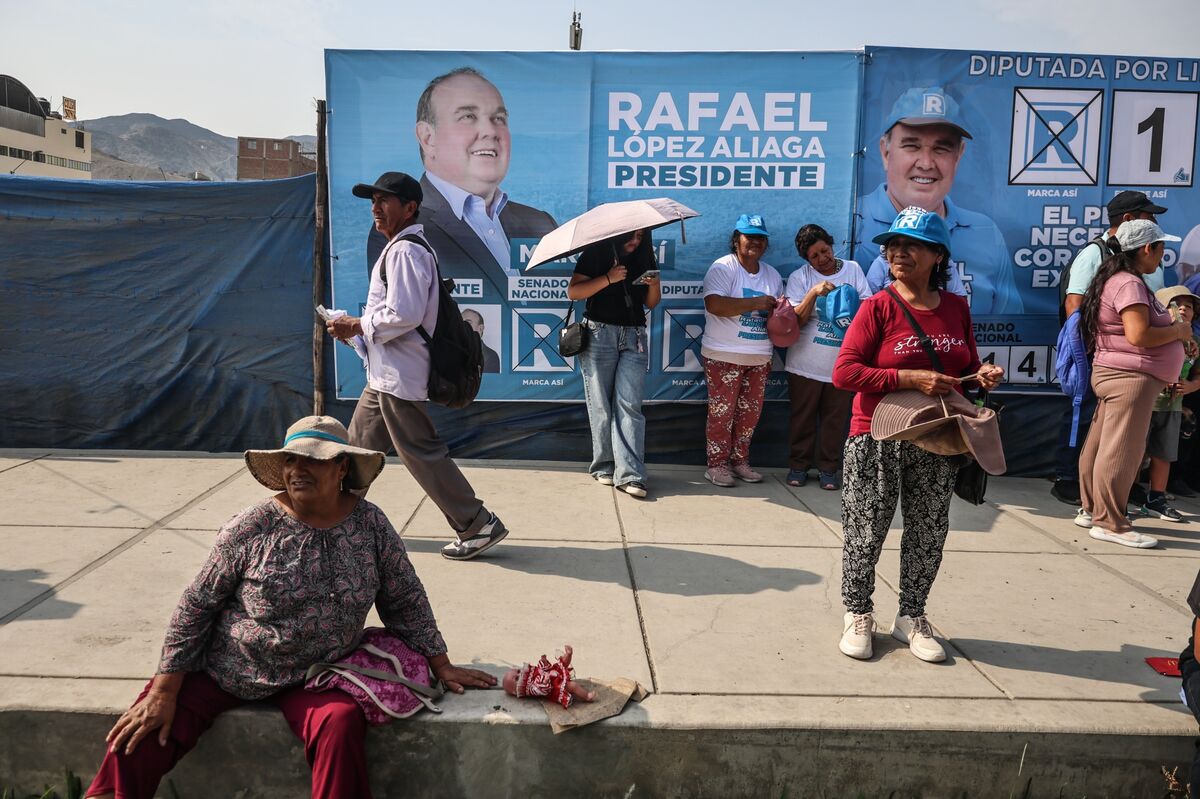

Peru’s Electoral Maze: Voters Navigate Chaos Amid Overcrowded Ballot Sheets
LIMA, Peru – On Sunday, millions of Peruvian voters will face an unprecedented challenge as they head to the polls: deciphering oversized ballot sheets crammed with dozens of unfamiliar names. This electoral quagmire is the result of a failed attempt to streamline Peru’s political system, leaving citizens to grapple with an overwhelming array of candidates vying for their attention in what promises to be one of the most confusing elections in the nation’s recent history.
The complexity of Peru’s electoral process underscores a deeper crisis of political representation in the country. With 20 political parties and over 2,000 candidates competing for seats in the unicameral Congress, voters are confronted with a labyrinthine ballot that critics say reflects the fragmentation and instability of Peru’s democracy. The sheer volume of candidates has prompted concerns about voter fatigue, confusion, and the potential for unintended outcomes in a nation already weary of political turmoil.
The Road to Chaos
The current electoral chaos traces its roots to 2020, when Peru attempted to reform its political system in response to widespread public dissatisfaction. A contentious referendum aimed at reducing the number of political parties in Congress narrowly passed, signaling a desire for greater efficiency and accountability. However, the implementation of these reforms has proven to be a bureaucratic and political minefield.
Legislators introduced measures to tighten party registration requirements, ostensibly to filter out smaller or less serious contenders. Yet, these efforts have backfired spectacularly. Instead of narrowing the field, the reforms inadvertently incentivized existing parties to splinter further, spawning a proliferation of new factions and alliances. The result is a ballot sheet that resembles a dense spreadsheet, with candidates listed in tiny font across multiple columns and rows.
Analysts argue that the fragmentation is symptomatic of a broader malaise in Peruvian politics. The country has been rocked by a series of corruption scandals, impeachment trials, and political upheavals in recent years, eroding public trust in established parties and fueling demand for change. Against this backdrop, the current election has become a battleground for new and old forces alike, with candidates scrambling to distinguish themselves in a crowded and chaotic field.
The Human Cost of Confusion
For ordinary Peruvians, the electoral process has become an exercise in frustration. Many voters report feeling overwhelmed by the sheer volume of information they are expected to process. “It’s like trying to choose a dish from a menu with hundreds of options,” said Maria Lopez, a 45-year-old teacher in Lima. “You end up picking something randomly because you can’t possibly read everything.”
The confusion is compounded by the lack of visibility for many candidates. With limited resources and media coverage, the majority of contenders remain unknown to the electorate, making it difficult for voters to make informed decisions. This opacity has raised fears that the election could favor well-funded or established candidates at the expense of smaller parties, further entrenching the status quo.
The logistical challenges of managing such a complex ballot have also strained Peru’s electoral authorities. The National Office of Electoral Processes (ONPE) has been forced to print oversized ballot sheets to accommodate the lengthy lists of candidates, a process that has delayed preparations and increased costs. Polling stations will require additional time and resources to process the ballots, raising concerns about potential delays and errors in vote counting.
A Test for Democracy
Sunday’s election is widely seen as a litmus test for Peru’s fragile democracy. The country has struggled to maintain political stability since the fall of former President Alberto Fujimori in 2000, with frequent changes in leadership and persistent public discontent. The current electoral cycle has been no exception, marked by outbreaks of violence, allegations of fraud, and calls for postponement.
Yet, despite the challenges, many Peruvians remain determined to exercise their democratic rights. “This election is messy, but it’s still our chance to have a say,” said Carlos Mendoza, a 32-year-old engineer in Cusco. “We can’t afford to sit this out.”
The stakes are high. The new Congress will play a crucial role in shaping Peru’s response to pressing issues such as economic recovery, social inequality, and the ongoing COVID-19 pandemic. The country’s ability to address these challenges will depend on the legitimacy and effectiveness of its elected representatives, making the clarity and fairness of the electoral process more important than ever.
A Global Perspective
Peru’s electoral woes resonate beyond its borders, offering a cautionary tale for other democracies grappling with political fragmentation. Around the world, citizens are increasingly disillusioned with traditional party systems, leading to a rise in populist movements, independent candidates, and new political formations. While these developments can enrich political discourse, they also pose significant challenges for electoral administration and voter engagement.
In Peru’s case, the proliferation of candidates has created a paradox of choice, where too many options can lead to confusion and disengagement rather than empowerment. Experts warn that a similar trend could emerge in other countries unless policymakers find ways to balance inclusivity with efficiency.
Looking Ahead
As Peru prepares to vote, the focus will be on how citizens navigate the complexities of the electoral process and what the results will mean for the country’s future. The new Congress will face the daunting task of restoring public trust and addressing the nation’s myriad challenges in a deeply polarized environment.
For now, Peruvians are left to grapple with the practicalities of casting their votes. Electoral authorities have urged voters to familiarize themselves with the ballot sheet in advance and arrive at polling stations well-prepared. Civic organizations have launched campaigns to educate citizens about the candidates and their platforms, aiming to mitigate some of the confusion.
Yet, even with these efforts, the outcome remains uncertain. In a nation where politics has often been characterized by unpredictability, Sunday’s election may well add another chapter to Peru’s turbulent history. As voters weigh their choices amidst the chaos, the enduring hope is that democracy, however messy, will prevail.
Whether this election marks a step forward or a continuation of Peru’s political stalemate remains to be seen. But one thing is clear: the path to stability and progress begins with a single vote, however challenging it may be to cast.
