



Ohio Prison Program Transforms Inmates Into Skilled Workers While Building State Trucks
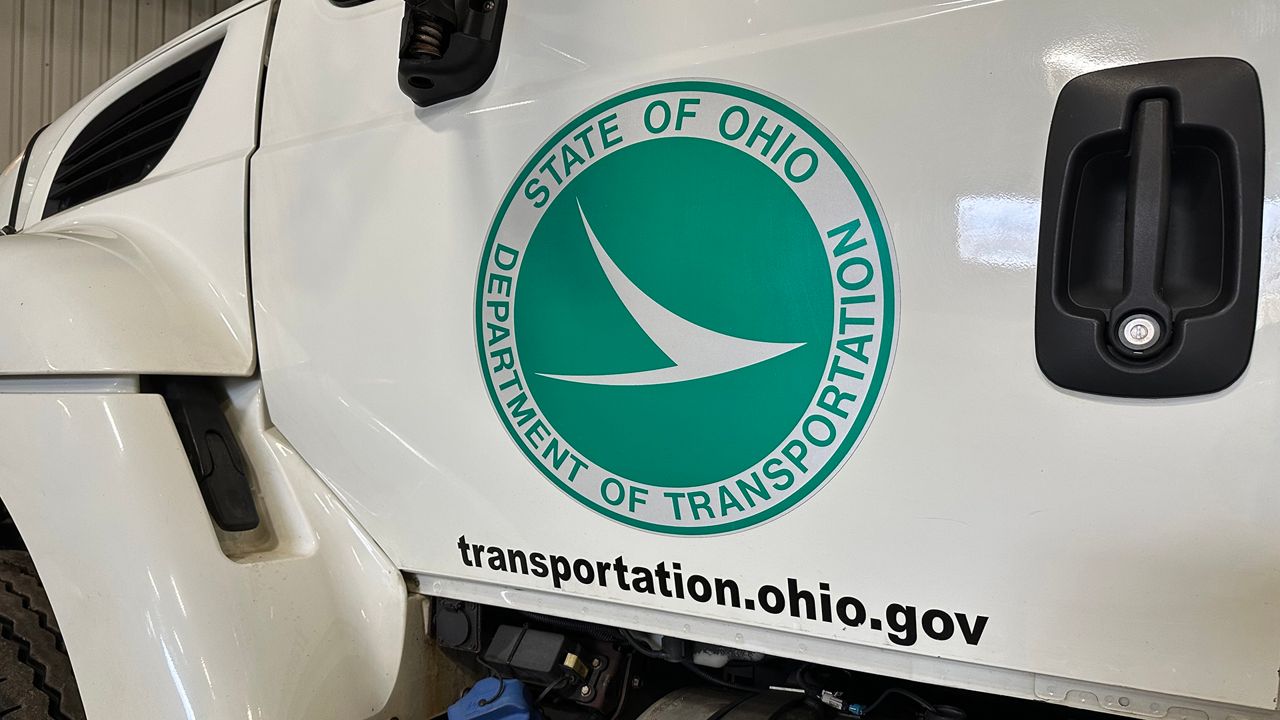
CHILLICOTHE, Ohio — While winter may have ended, the work inside Chillicothe Correctional Institution’s Vehicle Modification Shop never stops. Here, inmates are building and customizing trucks for the Ohio Department of Transportation (ODOT), gaining valuable skills—and a second chance at life.
Since 2002, incarcerated workers have modified more than 2,800 trucks, turning standard dump trucks into specialized snowplows and utility vehicles tailored to Ohio’s diverse needs. But beyond the machinery, the program is transforming lives, offering inmates purpose, accountability, and a shot at redemption.
Skills Behind Bars
Inside the bustling workshop, roughly 180 inmates work 32-hour weeks, fabricating steel, welding, and assembling trucks under strict supervision. The pay is modest—around $200 a month—but the real value lies in the certifications and hands-on experience they earn.
“I made some poor decisions. I hurt people, and now I’m paying my debt to society,” says Anthony Acquista, one of the inmates. “But this work gives me something to be proud of.”
Jerrino Johnson, another participant, emphasizes teamwork in the precision-driven environment. “There’s an order to it, but we all work together,” he says.
James Fryer, the Correctional Industry Manager overseeing production, sees the bigger picture. “What can I give these men to change their lives?” he asks. “So when they get out, they can break the cycle for their families.”
A Win for Ohio’s Roads—and Taxpayers
The partnership between ODOT and Ohio Penal Industries (OPI) dates back to 1968, saving the state millions by keeping truck modifications in-house. Each vehicle is customized to meet the unique demands of Ohio’s counties, from snowplow attachments to specialized dump beds.
“Working with OPI lets us tailor each truck to our exact needs,” explains ODOT spokesperson Matt Bruning. “They take a basic dump truck and turn it into a multi-purpose workhorse.”
Most trucks are completed in about a month, ensuring a steady supply of road-ready vehicles year-round.
Breaking Chains, Building Futures
For many inmates, the program is more than a job—it’s a lifeline. Steven Middlebrooks, who struggled with addiction before incarceration, now sees himself as part of something greater.
“Before this, I was lost,” he admits. “Now, I’m contributing to something bigger than me. When I get out, I can look at these trucks and say, ‘I helped build that.’”
With welding certifications, college credits, and real-world experience, participants leave prison with marketable skills—and hope.
As the shop hums with activity, it’s clear that the program’s impact stretches far beyond Ohio’s highways. For the men inside, every bolt tightened and every weld completed is a step toward a new beginning.
— Reported by Nexio News
