


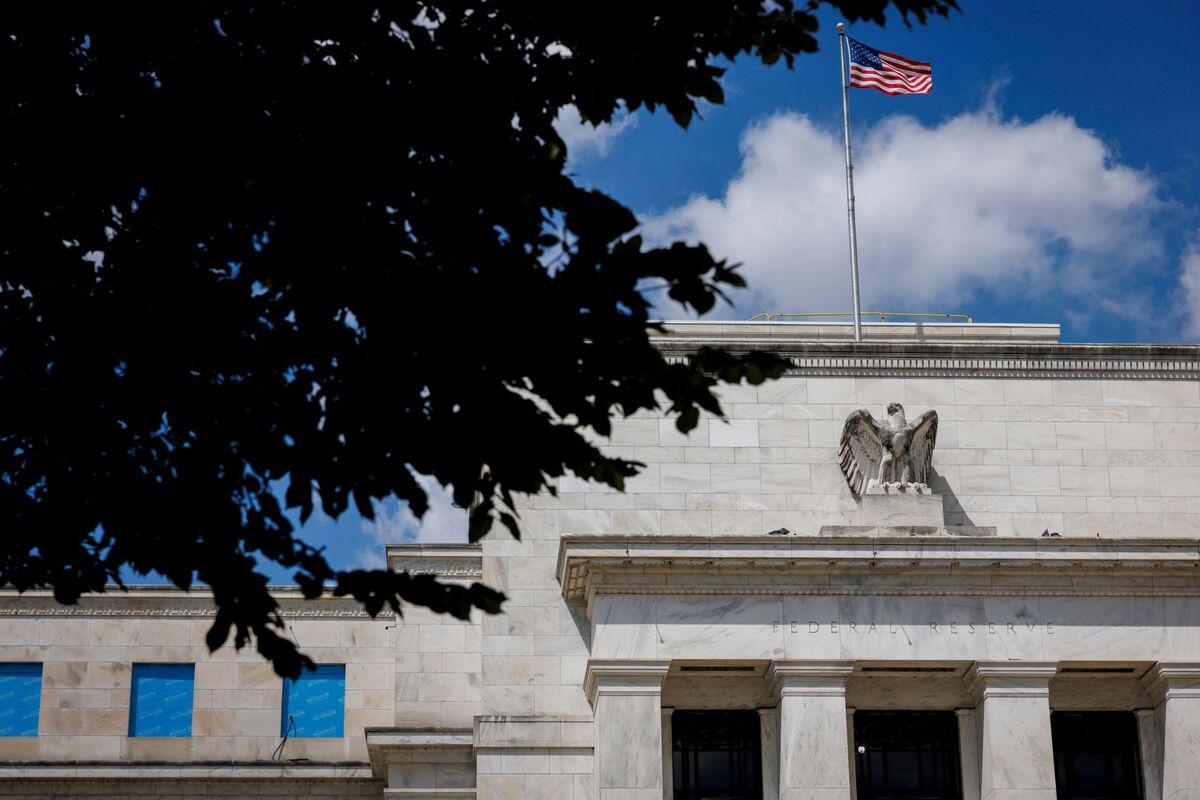

The Federal Reserve Probes US Banks Amid Rising Concerns Over Private Credit Exposure
In a move that underscores mounting regulatory concerns, the Federal Reserve has initiated a sweeping inquiry into major US banks’ exposure to the rapidly expanding private credit market. The investigation follows a surge in investor redemptions from private credit funds and a notable uptick in troubled loans within the sector, raising alarms about potential systemic risks. Sources familiar with the matter revealed that the Fed is seeking detailed information from lenders to assess the extent of their involvement in this opaque and increasingly volatile industry.
The private credit market, which has ballooned to over $1.4 trillion globally, has emerged as a critical alternative to traditional bank lending in recent years. Financial institutions, hedge funds, and private equity firms have flocked to this sector, offering loans to small and mid-sized businesses that often struggle to secure financing through conventional channels. While the market’s growth has been lauded for filling a crucial gap in the financial ecosystem, regulators are now grappling with the potential dangers of its lack of transparency, concentrated risks, and the absence of standardized oversight.
A Market in Flux
Private credit funds have faced heightened scrutiny in recent months as economic uncertainty, rising interest rates, and tighter financial conditions have begun to weigh on borrowers. Reports of increased loan defaults and delayed repayments have sparked concerns about the sector’s resilience in the face of macroeconomic headwinds. Compounding these issues, investors have been withdrawing capital from private credit funds at an accelerated pace, driven by fears of further instability and a desire to reallocate resources to safer assets.
The Federal Reserve’s decision to probe banks’ exposure to this market reflects a broader effort to preempt potential fallout. By gathering data on lending practices, risk concentrations, and financial health, regulators aim to identify vulnerabilities that could ripple through the broader financial system. “The Fed is clearly trying to get ahead of any potential crisis,” said one industry insider, speaking on condition of anonymity. “Private credit has grown so large and so fast that it’s hard to ignore the risks any longer.”
Historical Context and Regulatory Challenges
The private credit market’s rapid ascent can be traced back to the aftermath of the 2008 financial crisis, when banks, constrained by stricter regulations, scaled back lending to riskier borrowers. This retreat created fertile ground for non-bank lenders, including private credit funds, to step in and fill the void. Over the past decade, the sector has evolved into a cornerstone of corporate finance, particularly for companies seeking flexible and expedited funding solutions.
However, the market’s explosive growth has outpaced regulatory oversight, leaving authorities with limited visibility into its operations. Unlike publicly traded debt, private credit transactions are conducted off-exchange, with minimal disclosure requirements. This opacity has made it difficult for regulators to monitor risk accumulation and assess its potential impact on the broader financial system.
“The private credit market operates in a gray area,” explained Sarah Williams, a financial analyst at Brookings Institution. “It’s not subject to the same stringent rules as traditional banking, which means regulators are essentially flying blind when it comes to understanding the full extent of the risks involved.”
The Federal Reserve’s inquiry is seen as a critical first step in addressing this knowledge gap. By leveraging its supervisory authority, the central bank hopes to gain a clearer picture of banks’ ties to private credit funds, including their direct investments, underwriting activities, and exposure to borrowers reliant on non-bank financing.
Implications for Financial Stability
The timing of the Fed’s probe is particularly noteworthy, as the global economy navigates a challenging landscape marked by inflationary pressures, geopolitical tensions, and sluggish growth. In this environment, the private credit market’s vulnerabilities could amplify broader financial stresses, potentially triggering cascading effects across the banking sector and beyond.
Critics argue that the Fed’s intervention may be overdue, given the sector’s rapid expansion and its interconnectedness with traditional financial institutions. “Private credit has become a significant part of the financial ecosystem, and its risks can’t be ignored,” said Michael Carter, a former Federal Reserve economist. “If something goes wrong in this market, it won’t stay contained—it will spill over into the banking system and the economy at large.”
For banks, the Fed’s inquiry represents a wake-up call to reassess their engagement with private credit funds and ensure that adequate risk management frameworks are in place. While some institutions have already begun to scale back their exposure, others remain heavily invested, raising concerns about their ability to weather potential downturns.
Industry Pushback and Calls for Caution
As regulators ramp up their scrutiny, industry players have pushed back against suggestions that private credit poses a systemic threat. Proponents argue that the market’s decentralized nature and diverse investor base mitigate the risk of contagion, while its focus on direct lending ensures greater control over borrowers’ financial health.
“Private credit is a fundamentally different beast compared to subprime mortgages or other crisis-prone sectors,” said John Mitchell, CEO of a leading private credit firm. “It’s built on rigorous underwriting standards and close relationships with borrowers, which reduces the likelihood of widespread defaults.”
Nevertheless, skeptics caution that the market’s lack of transparency and reliance on leveraged financing could exacerbate vulnerabilities in a downturn. They point to parallels with the 2008 crisis, when complex financial products and inadequate oversight contributed to a catastrophic collapse.
Looking Ahead
The Federal Reserve’s inquiry into private credit exposure marks a pivotal moment in its efforts to safeguard financial stability in an increasingly complex and interconnected world. While the full scope of the investigation is still unfolding, its findings are likely to shape regulatory approaches to this burgeoning market for years to come.
As the global economy continues to grapple with uncertainty, the private credit sector’s trajectory will serve as a litmus test for the resilience of alternative financing models. For now, all eyes are on the Fed as it seeks to balance innovation with prudence, ensuring that the pursuit of financial inclusion does not come at the expense of systemic safety.
“This is a critical juncture for private credit and the broader financial system,” said Williams. “The question isn’t whether regulation is needed—it’s how to strike the right balance between fostering growth and mitigating risk.”
With the stakes higher than ever, the Federal Reserve’s actions will undoubtedly shape the future of finance, offering lessons that extend far beyond the private credit market itself. As the investigation unfolds, the world watches to see whether this shadowy sector can emerge as a force for good—or a harbinger of trouble yet to come.
