



Global Markets Brace for Economic Fallout as Iran Conflict Threatens Energy Security, Warns Former Biden Advisor
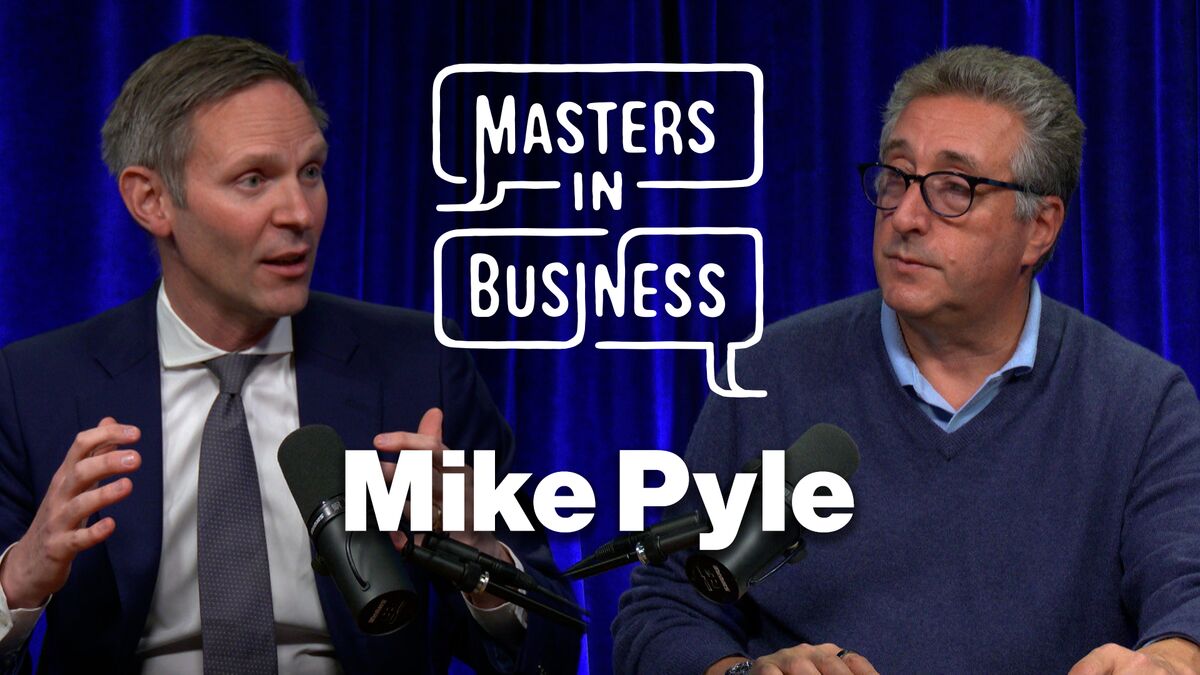
In a world still grappling with the lingering effects of geopolitical tensions and economic instability, the specter of a potential conflict with Iran looms large, raising alarms over its far-reaching consequences for global markets and energy security. BlackRock’s Senior Managing Director and Deputy Head of the Portfolio Management Group (PMG), Mike Pyle, has issued a stark warning, asserting that such a confrontation could unleash durable economic shocks, particularly in the energy sector. Speaking in a recent interview with Bloomberg, Pyle, who previously served as Deputy National Security Advisor for International Economics under the Biden administration, emphasized the critical need for proactive strategies to mitigate the risks posed by escalating tensions in the Middle East.
Energy Security at the Forefront
As one of the world’s largest producers of oil, Iran’s geopolitical decisions have long held the potential to disrupt global energy markets. Any confrontation involving Iran could trigger a cascade of economic repercussions, from skyrocketing oil prices to supply chain disruptions. Pyle noted that energy security remains a cornerstone of global economic stability, and a conflict with Iran could severely undermine this foundation.
“Energy markets are intricately linked to geopolitical stability,” Pyle explained. “A war with Iran would not only disrupt oil supplies but also send shockwaves through global financial systems, particularly at a time when markets are already sensitive to inflationary pressures and geopolitical uncertainties.”
The Middle East, home to some of the world’s most significant oil reserves, has long been a flashpoint for geopolitical tensions. Iran’s strategic location and its control over critical shipping routes, such as the Strait of Hormuz, further amplify the potential for widespread economic fallout. Any disruption to oil exports from the region could lead to a sharp increase in energy prices, exacerbating inflationary pressures and straining economies worldwide.
Lessons from the Biden Administration
Pyle’s insights are informed by his tenure in the Biden administration, where he played a key role in shaping international economic policy amidst a complex global landscape. During his time as Deputy National Security Advisor for International Economics, Pyle worked closely with policymakers to navigate challenges ranging from post-pandemic recovery to the economic implications of geopolitical conflicts.
Reflecting on his experience, Pyle highlighted the importance of multilateral cooperation in addressing global economic challenges. “The interconnected nature of today’s economy requires a coordinated response,” he stated. “No single nation can insulate itself from the ripple effects of a major geopolitical event, particularly one involving a critical player like Iran.”
Pyle also emphasized the need for governments and private sector entities to collaborate in building resilient systems capable of withstanding economic shocks. He pointed to the COVID-19 pandemic as a recent example of how unforeseen crises can destabilize markets and disrupt supply chains. Drawing parallels to the current geopolitical climate, he underscored the importance of preparedness and adaptability in navigating uncertain times.
Implications for Global Markets
The potential economic shocks associated with a conflict with Iran extend beyond energy markets, impacting industries ranging from finance to manufacturing. Pyle warned that investors and businesses must remain vigilant in assessing risks and adjusting strategies accordingly.
For investors, the prospect of heightened volatility in energy markets could necessitate a reevaluation of portfolios. Pyle suggested that diversification and a focus on sectors less susceptible to geopolitical risks could provide a buffer against potential disruptions.
Meanwhile, businesses reliant on stable energy prices may face increased costs and operational challenges. Pyle urged companies to explore alternative energy sources and invest in technologies that enhance efficiency and sustainability.
Historical Context and Future Outlook
The current geopolitical climate echoes past crises, such as the oil shocks of the 1970s, which reshaped global economic dynamics and spurred innovation in energy production. Pyle noted that history offers valuable lessons for navigating today’s challenges, particularly in terms of the importance of energy independence and the role of technological advancements in mitigating risks.
Looking ahead, Pyle called for a renewed focus on diplomacy and conflict resolution as essential tools for safeguarding global economic stability. “The stakes are too high to rely solely on reactive measures,” he said. “Proactive diplomacy and a commitment to multilateralism are critical in preventing escalation and fostering a more stable global environment.”
A Call for Collaboration and Resilience
As the world confronts the possibility of another geopolitical crisis, Pyle’s message serves as a timely reminder of the interconnectedness of global markets and the need for collective action. Whether through diplomatic efforts, strategic investments, or technological innovation, stakeholders across sectors must work together to build resilience and navigate the uncertainties ahead.
In conclusion, while the prospect of a conflict with Iran poses significant challenges, it also underscores the importance of preparedness, collaboration, and adaptability in an increasingly unpredictable world. As Pyle aptly summarized, “The path to economic stability lies in our ability to anticipate risks, embrace innovation, and work together towards shared solutions.”
This balanced approach, he argued, will be essential in shaping a more secure and sustainable future for the global economy.
