



Zambia Approves Revised 2026 Budget Amid Global Economic Uncertainty Fueled by Middle East Conflict
Lusaka, Zambia – In a decisive move to counterbalance mounting fiscal pressures linked to escalating geopolitical tensions, Zambia’s cabinet has greenlit a sweeping revision of its 2026 national budget. The adjustments aim to cushion the Southern African nation against ripple effects from the protracted Middle East conflict, which has disrupted global supply chains, amplified energy costs, and strained emerging markets reliant on imports.
The announcement, confirmed by senior government officials on Tuesday, underscores the far-reaching consequences of instability in oil-rich regions for developing economies already grappling with post-pandemic recovery and debt burdens. Zambia, Africa’s second-largest copper producer, joins a growing list of nations forced to recalibrate financial plans as volatile commodity prices and inflationary shocks redefine fiscal priorities worldwide.
A Budget Reforged by Crisis
President Hakainde Hichilema’s administration cited “exogenous shocks beyond our control” as the impetus for the revisions, though specifics of the reallocated expenditures remain under parliamentary scrutiny. Analysts anticipate cuts to non-essential infrastructure projects and social programs, alongside heightened contingency reserves for fuel and grain subsidies—a lifeline for Zambia’s 20 million citizens, nearly 60% of whom live below the poverty line.
“This isn’t merely belt-tightening; it’s a strategic realignment to prevent macroeconomic destabilization,” remarked economist Dr. Mwila Chibwe of the University of Zambia. “The Middle East crisis has exacerbated currency depreciation and borrowing costs, leaving us with no choice but to act preemptively.”
The Global Domino Effect
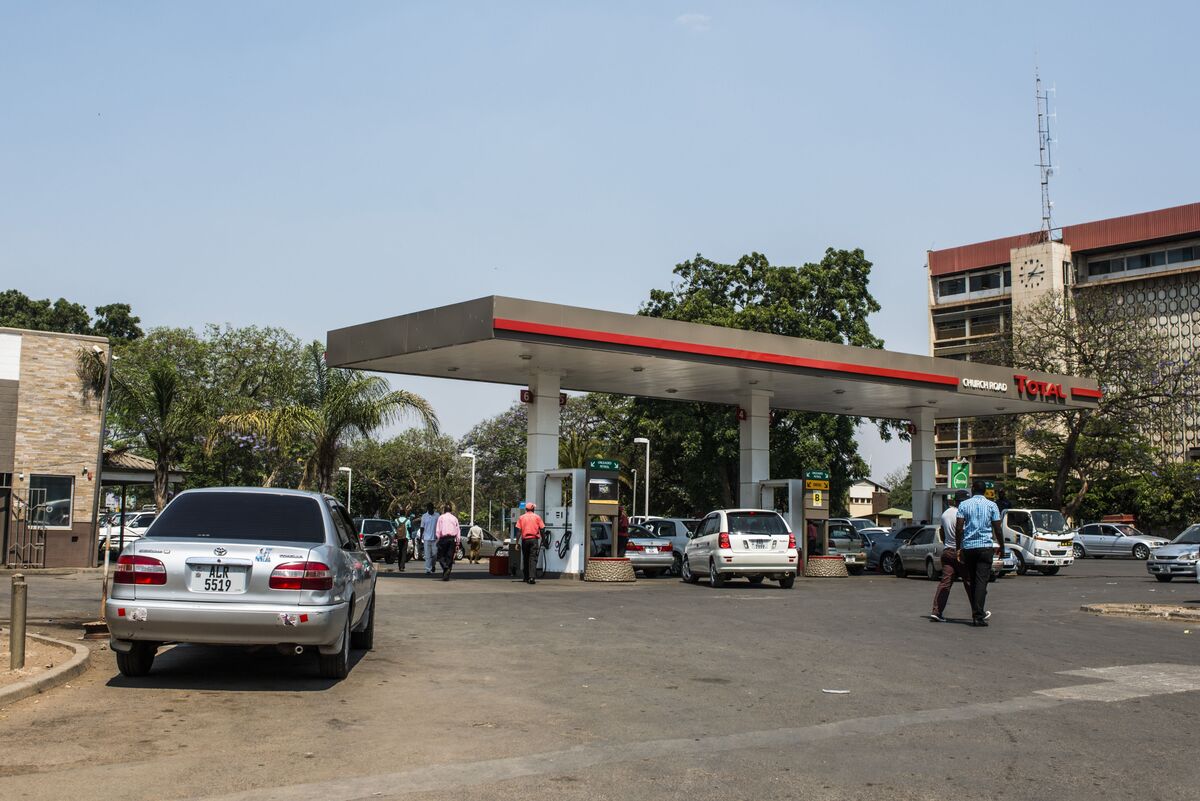
Zambia’s predicament mirrors broader vulnerabilities across low- and middle-income nations. The World Bank recently slashed its 2024–2026 growth forecasts for Sub-Saharan Africa to 3.4%, citing “overlapping crises” including climate disasters, trade bottlenecks, and spillover from conflicts in Ukraine and Gaza. Brent crude’s 18% price surge since January—driven by Houthi attacks on Red Sea shipping and OPEC+ production caps—has disproportionately impacted fuel-dependent economies like Zambia, where energy imports consume 30% of foreign exchange reserves.
The kwacha has plummeted 12% against the dollar this year, compounding repayment challenges for Zambia’s $14 billion external debt, restructured just months ago after a protracted default. Finance Minister Situmbeko Musokotwane acknowledged the revised budget would prioritize debt servicing while safeguarding critical sectors: “Agriculture, mining, and healthcare remain insulated. We cannot afford another austerity backlash.”
Local Pain, Global Lessons
For ordinary Zambians, the fiscal overhaul signals renewed hardship. In Lusaka’s bustling Soweto Market, traders lament soaring cooking oil and fertilizer prices. “Our profits vanish before we restock,” said vendor Esther Nyirenda, echoing frustrations over inflation stuck at 13.5%—well above the central bank’s 6–8% target.
Yet Zambia’s response may offer a template for resilience. The government has fast-tracked renewable energy projects to curb diesel reliance, including a $2 billion solar initiative backed by the International Finance Corporation. Simultaneously, it seeks to leverage its copper reserves—vital for green technologies—by renegotiating mining royalties and partnering with battery manufacturers.
“Resource nationalism isn’t the answer, but smarter deals are,” asserted mining analyst Jacob Mwansa. “If managed transparently, this crisis could catalyze long-overdue industrial diversification.”
Regional and International Implications
Neighboring nations are watching closely. Zimbabwe and Malawi, also wrestling with currency crises, face parallel budget dilemmas. Meanwhile, international lenders urge caution: The IMF, which approved a $1.3 billion Zambia loan in 2022, warned against “knee-jerk austerity” that could ignite social unrest.
Critics argue the budget revisions lack grassroots input. “Consultations were rushed,” opposition leader Jack Mwiimbu told reporters. “When bread prices double, people deserve more than spreadsheet adjustments.”
A Delicate Balancing Act
As Zambia navigates these crosscurrents, its experience underscores a harsh reality: In an interconnected world, distant conflicts wield local consequences. The 2026 budget, though born of necessity, tests President Hichilema’s reformist agenda—and the global community’s appetite for equitable crisis mitigation.
“No nation is an island,” mused geopolitical strategist Dr. Nomsa Ndhlovu. “Zambia’s story is a stark reminder that stability, whether fiscal or social, demands more than national solutions—it requires global solidarity.”
For now, the government’s mantra remains one of cautious pragmatism. As Musokotwane concluded: “We are steering the ship through a storm, not of our making, but with resolve to reach calmer waters.”
—Additional reporting by finance and geopolitical correspondents in Johannesburg, London, and Washington.
