


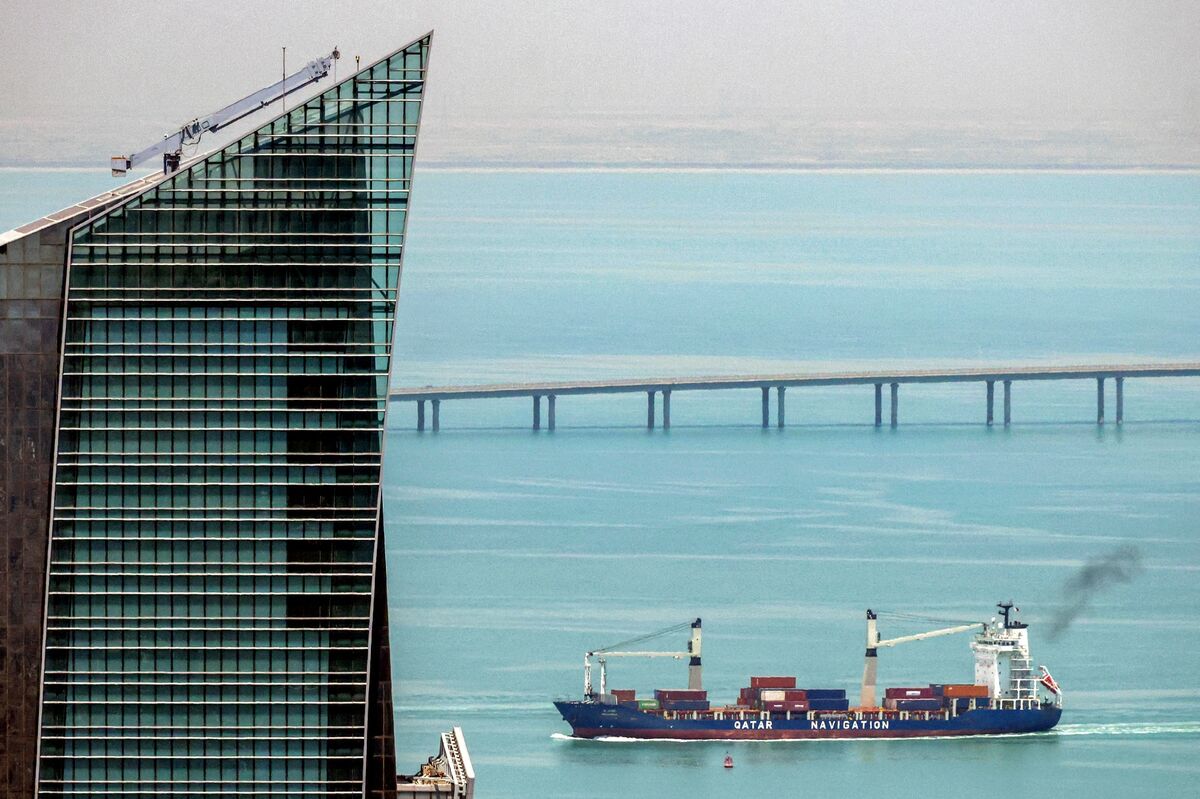

Qatar Reopens Maritime Routes in Waters Amid Regional Stabilization Efforts
In a significant move underscoring regional diplomacy and economic recovery, Qatar has announced the full reopening of its maritime routes to all vessels and ships, effective Sunday. The decision, confirmed by the Qatari Ministry of Transport, marks a pivotal step in restoring normalcy to the nation’s waters after years of geopolitical tensions and logistical challenges. This development is expected to bolster trade, enhance regional cooperation, and reaffirm Qatar’s commitment to maintaining open and secure maritime corridors in the Persian Gulf.
The reopening comes against the backdrop of Qatar’s ongoing efforts to stabilize its maritime operations following a protracted regional crisis that began in 2017. At the time, neighboring countries, including Saudi Arabia, the United Arab Emirates, Bahrain, and Egypt, imposed a land, air, and sea blockade on Qatar, alleging its support for terrorism and its close ties with Iran—a charge Qatar vehemently denied. The blockade disrupted trade routes, forced Qatar to adapt its shipping strategies, and led to significant economic adjustments. However, the Al Ula Declaration in January 2021 marked a turning point, as Gulf nations agreed to restore diplomatic and economic ties, paving the way for gradual normalization.
Economic and Strategic Implications
Maritime trade is a cornerstone of Qatar’s economy, particularly given its reliance on exports of liquefied natural gas (LNG), which accounts for a substantial portion of its GDP. The country’s strategic location in the Persian Gulf has long positioned it as a key player in global shipping routes, facilitating trade between Europe, Asia, and the Middle East. The reopening of maritime routes is expected to streamline the export of LNG and other commodities, reducing shipping costs and improving efficiency.
Industry experts suggest that this decision will also enhance Qatar’s attractiveness as a hub for international trade and investment. “The reopening of maritime routes sends a strong signal to global markets that Qatar is back on track as a reliable trading partner,” said Hassan Al-Thawadi, a maritime logistics analyst based in Doha. “It also underscores the resilience of Qatar’s economy, which has adapted remarkably well to the challenges posed by the blockade.”
The move is particularly significant for Qatar’s flagship LNG export sector, which remains a critical driver of the nation’s economy. Qatar is one of the world’s largest exporters of LNG, with its shipments accounting for a significant share of global supply. The reopening of maritime routes will enable smoother operations for Qatar’s LNG carriers, ensuring timely deliveries to key markets such as Japan, South Korea, and European nations.
Regional Collaboration and Security Concerns
The reopening of Qatar’s maritime routes also reflects broader efforts to foster regional collaboration and stability in the Persian Gulf. The Persian Gulf is one of the world’s most strategically important waterways, with millions of barrels of oil and vast quantities of LNG passing through its waters daily. Ensuring the security and efficiency of maritime traffic in the region is critical for global energy markets and international trade.
Qatar’s decision aligns with recent initiatives aimed at enhancing maritime security and cooperation among Gulf states. In 2022, Qatar participated in joint naval exercises with other Gulf Cooperation Council (GCC) members, emphasizing the importance of collective efforts to safeguard regional waters. The reopening of Qatar’s maritime routes is seen as a further step toward rebuilding trust and cooperation in the region.
However, concerns about maritime security in the Persian Gulf remain, particularly in light of ongoing tensions between Iran and Western nations. The Strait of Hormuz, a narrow waterway through which a significant portion of global oil shipments passes, has been a flashpoint for conflicts and incidents in recent years. Qatar’s decision to reopen its maritime routes underscores its confidence in the current security environment, but experts caution that continued vigilance and regional cooperation are essential to maintaining stability.
Environmental and Operational Considerations
In addition to its economic and strategic implications, the reopening of Qatar’s maritime routes highlights the importance of sustainable maritime practices. The Persian Gulf is a fragile ecosystem, and increased shipping activity raises concerns about environmental impacts, including pollution and damage to marine habitats. Qatar has emphasized its commitment to adopting environmentally responsible practices in its maritime operations, aligning with global efforts to reduce the carbon footprint of shipping.
The Qatari Ministry of Transport has also announced plans to upgrade port facilities and enhance navigation systems to accommodate the anticipated increase in maritime traffic. These investments are expected to improve efficiency, reduce congestion, and minimize the risk of accidents in Qatar’s waters.
Global Reactions and Future Prospects
The international community has welcomed Qatar’s decision to reopen its maritime routes, with many viewing it as a positive step toward regional stability and economic recovery. “This development is a testament to Qatar’s resilience and its ability to navigate complex geopolitical challenges,” said a spokesperson for the International Maritime Organization (IMO). “It also reinforces the importance of maritime trade as a driver of global prosperity.”
Looking ahead, Qatar’s maritime sector is poised for growth, with the government actively promoting initiatives to attract investment and expand its shipping infrastructure. The reopening of maritime routes is expected to support these efforts, positioning Qatar as a key player in global trade and logistics.
As Qatar continues to navigate the complexities of regional geopolitics and global market dynamics, the reopening of its maritime routes serves as a reminder of the nation’s enduring commitment to economic growth, regional cooperation, and sustainable development. While challenges remain, this milestone offers a glimpse of hope for a more stable and prosperous future in the Persian Gulf.
“In the ever-changing landscape of global trade, Qatar’s reopening of its maritime routes is a timely reminder of the resilience and adaptability of nations in the face of adversity,” concludes Al-Thawadi. “It is a step forward, but one that must be accompanied by continued efforts to build trust and collaboration in the region.”
