



Japan Seeks Closer Ties with Asian Nations to Secure Supply Chains for Critical Petroleum-Based Products
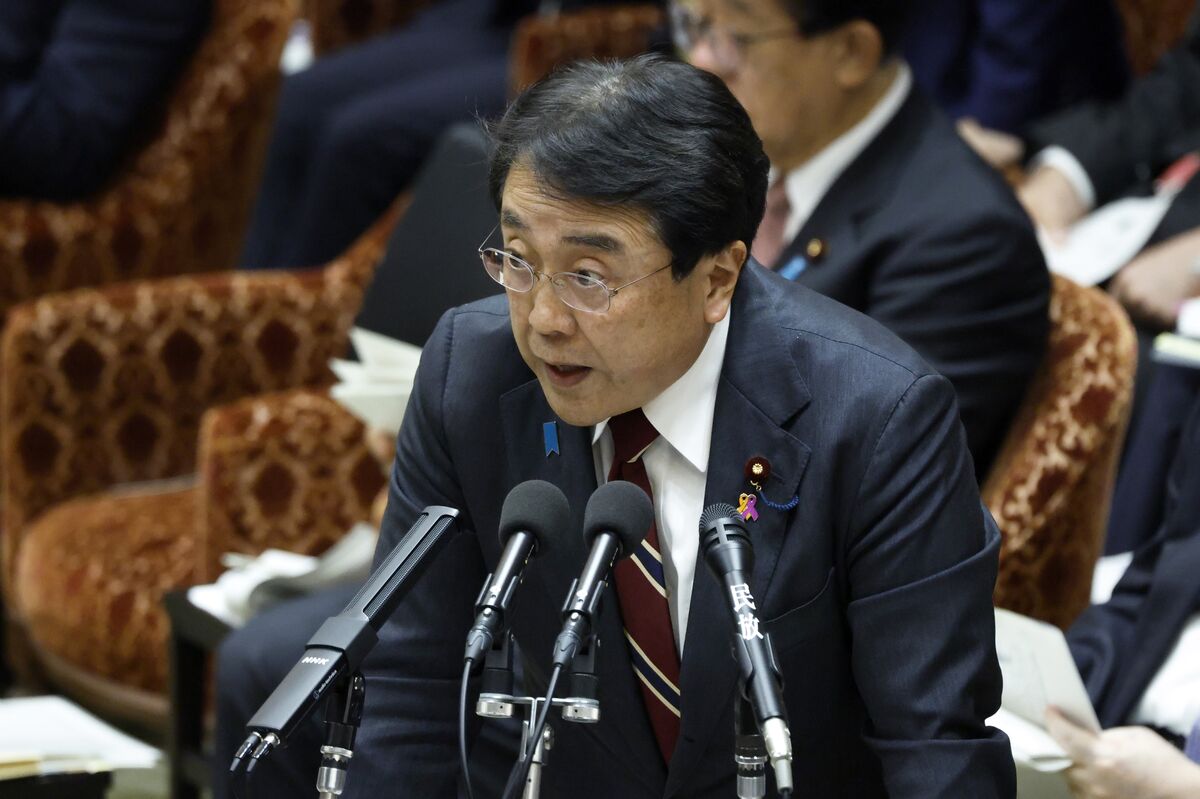
Tokyo, Japan – In a significant move to bolster regional cooperation, Japan has announced plans to deepen collaboration with Asian countries to ensure the stable supply of essential petroleum-based products, including critical medical equipment. The announcement, made by Japan’s Economy Minister Ryosei Akazawa during a televised debate on broadcaster NHK, underscores Tokyo’s commitment to strengthening supply chain resilience in the face of global economic uncertainties.
Minister Akazawa emphasised the importance of maintaining robust partnerships with Asian nations, particularly those involved in the production and supply of petroleum-derived goods. “Petroleum-based products are indispensable to modern life, from medical supplies to industrial materials. Japan recognises the need to work closely with its Asian neighbours to ensure the uninterrupted flow of these critical resources,” Akazawa stated during the program.
A Response to Global Supply Chain Vulnerabilities
The move comes amid growing concerns over the fragility of global supply chains, which have been severely tested in recent years by the COVID-19 pandemic, geopolitical tensions, and climate-related disruptions. Japan, as a resource-poor nation, has long relied on imports for its energy and raw material needs. The pandemic exposed significant vulnerabilities in this reliance, particularly when shortages of medical equipment and supplies strained healthcare systems worldwide.
Petroleum-based products, including plastics, resins, and synthetic materials, are foundational to the production of everything from pharmaceuticals to medical devices such as syringes, IV bags, and protective gear. With much of this production concentrated in Asian countries like China, South Korea, and India, Japan’s strategy aims to mitigate risks by fostering closer ties with these manufacturing hubs.
Strengthening Regional Partnerships
Minister Akazawa’s remarks signal a shift in Japan’s economic diplomacy, as the nation seeks to diversify its supply chains and reduce dependence on any single source. This approach aligns with broader international trends, as countries and corporations alike reassess their supply chain strategies in response to recent disruptions.
Japan’s strategy involves not only enhancing trade relations but also supporting capacity-building initiatives in partner countries. This includes investments in infrastructure, technology transfer, and workforce training to ensure that production capabilities meet global demand. Such efforts are expected to benefit both Japan and its partners by creating more resilient and efficient supply networks.
Economic and Geopolitical Implications
The announcement also carries significant geopolitical implications. Japan’s renewed focus on Asian partnerships comes at a time when the region is increasingly seen as a cornerstone of global economic growth. However, it also coincides with rising tensions between major powers, including the United States and China, which have led to supply chain fragmentation and trade uncertainties.
By positioning itself as a reliable partner, Japan aims to navigate these complexities while reinforcing its role as a regional leader. Akazawa highlighted the importance of mutual trust and shared interests in achieving these goals. “Collaboration is not just about securing supplies; it’s about building a foundation for shared prosperity and stability in Asia,” he said.
Domestic and Global Reactions
Domestically, the announcement has been met with cautious optimism. Industry leaders have welcomed the government’s proactive stance, noting that securing essential materials is vital for maintaining Japan’s economic competitiveness. However, some analysts have raised concerns about the challenges of implementing such a strategy, including potential trade negotiations and the need for sustained investment.
Globally, Japan’s initiative is likely to resonate with other nations grappling with similar supply chain issues. As countries increasingly prioritise economic security, Japan’s approach could serve as a model for fostering cooperation in a multipolar world.
Historical Context and Forward Momentum
Japan’s focus on supply chain resilience is not new. Following the 2011 earthquake and tsunami, which disrupted domestic production and highlighted the risks of over-reliance on imports, Japan began diversifying its supply sources and investing in disaster-resistant infrastructure. The COVID-19 pandemic further accelerated these efforts, prompting the government to launch initiatives aimed at reshoring critical industries and securing strategic materials.
Minister Akazawa’s latest remarks build on this foundation, reflecting Japan’s evolving approach to economic security. By prioritising regional partnerships, Japan is not only addressing immediate challenges but also laying the groundwork for long-term stability.
Looking Ahead
As Japan moves forward with its strategy, several key questions remain. How will geopolitical dynamics shape the implementation of these partnerships? What role will emerging technologies play in enhancing supply chain resilience? And how will Japan balance its economic security goals with its commitments to global trade and cooperation?
While the answers to these questions are yet to unfold, one thing is clear: Japan’s renewed emphasis on regional collaboration signals a proactive and pragmatic approach to navigating the complexities of a rapidly changing world.
A Balanced Approach to Global Challenges
In an era marked by uncertainty, Japan’s strategy serves as a reminder of the importance of partnership and preparedness. By working closely with its Asian neighbours, Japan is not only safeguarding its own interests but also contributing to the resilience of the global economy. As Minister Akazawa aptly noted, “In times of crisis, cooperation is not just an option—it is a necessity.”
As the world continues to grapple with supply chain disruptions, Japan’s initiative offers a blueprint for balancing national priorities with collective action. In the end, the success of this approach may well depend on the willingness of all parties to embrace collaboration over competition, ensuring a more stable and prosperous future for all.
