



Blue and Green Bonds: A Potential Lifeline for Africa’s Massive Financing Gap
As African nations grapple with the urgent need to address climate change, sustainable development, and infrastructure deficits, innovative financial instruments such as blue and green bonds are emerging as a promising solution. With the continent facing an estimated $100 billion annual financing gap to meet its climate and development goals, these specialized bonds are increasingly seen as a critical tool to mobilize much-needed capital. Amid growing global interest in sustainable investing, Africa’s embrace of blue and green bonds could mark a turning point in its economic and environmental trajectory.
The Financing Crisis and the Rise of Sustainable Bonds
Africa’s development challenges are vast and multifaceted. Rapid population growth, urbanization, and climate change have placed immense pressure on the continent’s infrastructure, resources, and ecosystems. According to the African Development Bank, the region requires between $130 billion and $170 billion annually to address its infrastructure deficit alone. Meanwhile, the impacts of climate change—such as droughts, flooding, and rising sea levels—are exacerbating these challenges, threatening livelihoods and economic stability.
Traditional sources of financing, such as government budgets and international aid, have proven insufficient to meet these needs. This has led African nations to explore alternative funding mechanisms, including sustainable bonds. Green bonds, which finance environmentally friendly projects such as renewable energy and clean transportation, have gained traction globally since their inception in 2007. Blue bonds, a newer concept, focus on initiatives related to marine and water resources, such as sustainable fisheries, ocean conservation, and water infrastructure.
Africa’s Pioneering Efforts
Several African countries have already taken bold steps to tap into the burgeoning market for sustainable bonds. In 2017, Nigeria became the first African nation to issue a sovereign green bond, raising $29 million to fund renewable energy and afforestation projects. Seychelles followed suit in 2018 with the world’s first sovereign blue bond, raising $15 million to support marine conservation and sustainable fisheries. These initiatives have not only provided vital funding but also demonstrated Africa’s potential to lead in sustainable finance.
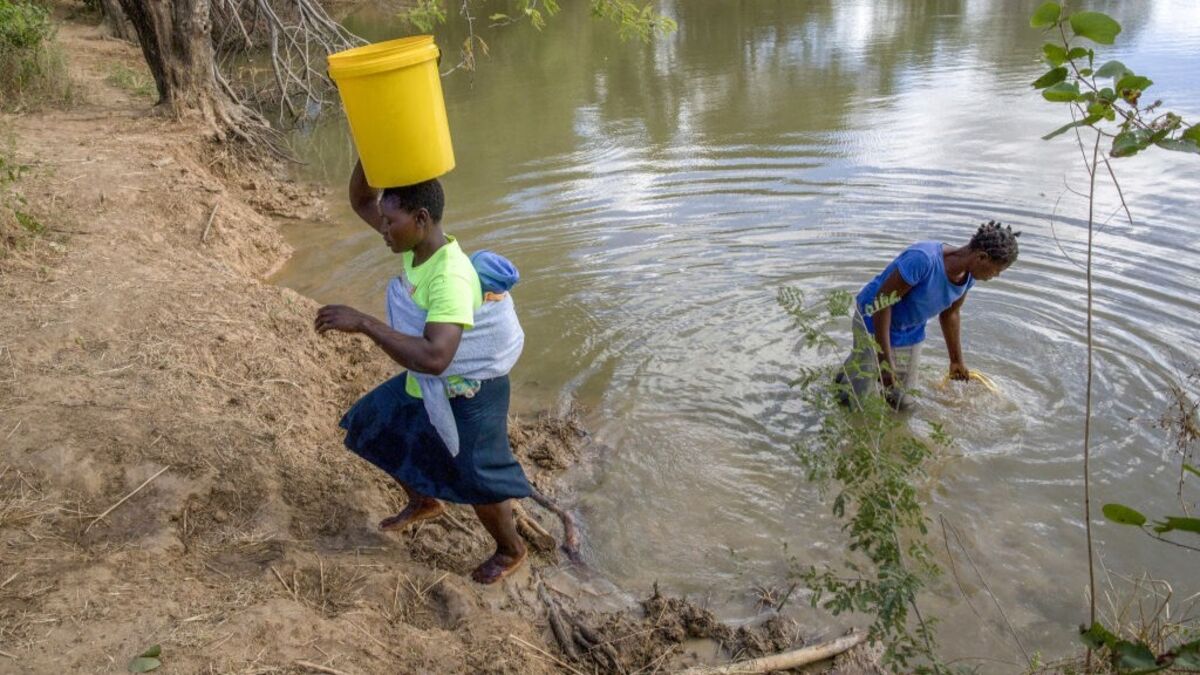
Water bonds, a subset of blue bonds, are particularly relevant for the continent, where access to clean water remains a pressing issue. According to the World Health Organization, over 300 million people in Sub-Saharan Africa lack access to basic drinking water services. Water bonds could finance critical projects such as water treatment plants, irrigation systems, and wastewater management, addressing both immediate needs and long-term sustainability goals.
The Role of International Investors
The success of blue and green bonds in Africa hinges on the involvement of international investors, who are increasingly prioritizing environmental, social, and governance (ESG) criteria in their portfolios. Global sustainable bond issuance reached a record $1 trillion in 2021, reflecting heightened demand for investments that align with climate and sustainability objectives. However, Africa has yet to fully capitalize on this trend, accounting for less than 1% of global green bond issuance to date.
Experts attribute this underrepresentation to perceived risks, such as political instability and regulatory uncertainty, which can deter investors. To overcome these barriers, African governments and financial institutions must strengthen regulatory frameworks, enhance transparency, and build investor confidence. Partnerships with international organizations and development banks can also play a crucial role in mitigating risk and attracting capital.
Challenges and Opportunities
While blue and green bonds offer immense potential, their implementation in Africa is not without challenges. One major hurdle is the lack of technical expertise and capacity to develop and manage sustainable bond programs. Many African countries require support in project identification, certification, and monitoring to ensure compliance with international standards.
Additionally, the high costs associated with issuing sustainable bonds can be prohibitive for cash-strapped governments. For example, obtaining certification from organizations such as the Climate Bonds Initiative can be expensive and time-consuming. To address these issues, African nations may need to collaborate with international partners and leverage concessional financing to reduce costs.
Despite these challenges, the opportunities are significant. Beyond their immediate financial benefits, blue and green bonds can drive broader economic and environmental gains. Sustainable projects funded by these bonds can create jobs, improve public health, and enhance resilience to climate change. Moreover, they can position Africa as a leader in sustainable finance, attracting investment and fostering innovation.
A Path Forward
As African nations increasingly recognize the value of sustainable bonds, concerted efforts are needed to unlock their full potential. Governments must prioritize policy reforms, capacity building, and public-private partnerships to create an enabling environment for sustainable finance. International investors, development institutions, and civil society also have a critical role to play in supporting Africa’s transition to a green and blue economy.
The road ahead is undoubtedly complex, but the stakes could not be higher. With the continent’s population projected to double by 2050, addressing its financing gap is not just a matter of economic growth but of survival. Blue and green bonds offer a unique opportunity to reconcile these pressing needs with the imperatives of sustainability, paving the way for a more resilient and prosperous Africa.
As the world grapples with the twin crises of climate change and inequality, Africa’s innovative approach to financing may serve as a beacon of hope—and a reminder that sustainable solutions are within reach, even in the face of daunting challenges.
