


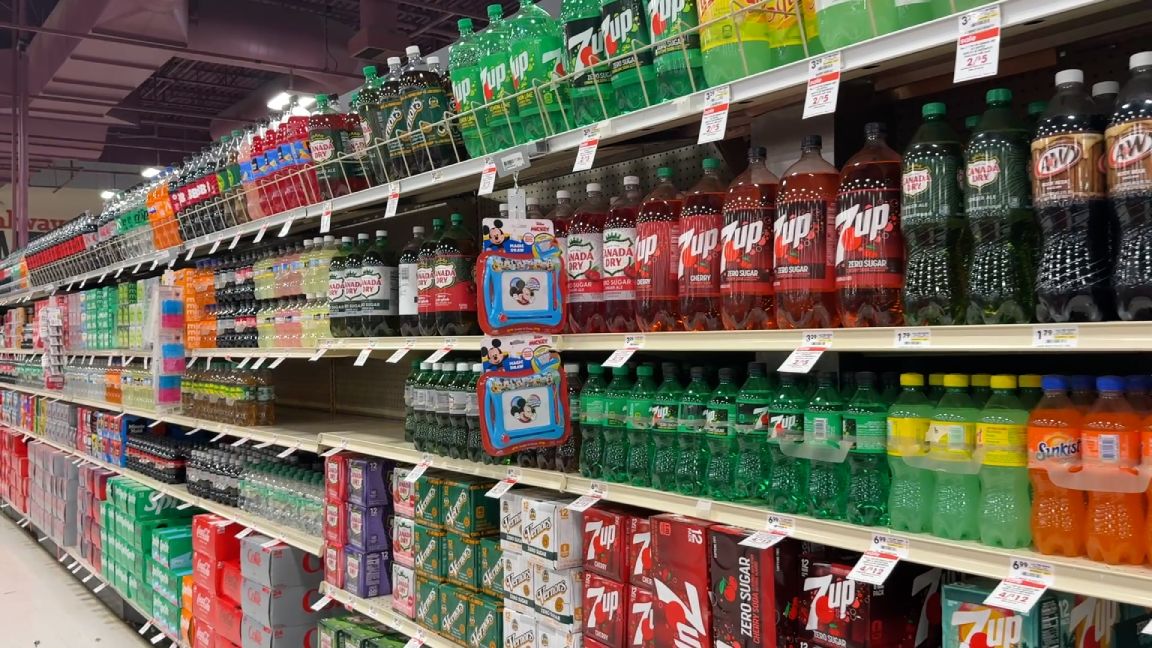

Ohio Tightens SNAP Rules: Sugary Drinks Banned Starting October 1
Ohio’s Supplemental Nutrition Assistance Program (SNAP), a lifeline for over a million low-income residents, is undergoing significant changes this fall. Among the most notable updates is a ban on purchasing sugary carbonated beverages with SNAP benefits, set to take effect on October 1. The move aims to encourage healthier eating habits and combat chronic health issues linked to excessive sugar consumption.
The U.S. Department of Agriculture approved Ohio’s request for the ban in March, following recommendations from a task force assembled by Governor Mike DeWine. The group, which included health experts and analyzed data on children’s well-being, concluded that sugary drinks contribute to rising rates of obesity, diabetes, and other preventable conditions.
“Sugar-sweetened beverages are a major driver of chronic health problems,” said Lindsay Malone, a registered dietitian and instructor at Case Western Reserve University. “Conditions like overweight, obesity, diabetes, fatty liver disease, and high blood pressure are often linked to poor dietary choices.”
The ban targets sodas and other carbonated beverages that list sugar, corn syrup, or high-fructose corn syrup as primary ingredients. Items like sparkling water and unsweetened seltzers remain eligible for purchase. Malone suggests these alternatives can satisfy cravings for carbonation while offering a healthier option.
“With soda, people often crave the carbonation,” she said. “My top recommendation is switching to carbonated water, sparkling water, or seltzer. You can even make simple beverages like lemonade or sweet tea at home.”
The change is part of a broader effort to align SNAP benefits with nutritional goals. Malone emphasized that while adapting to new habits can be challenging, the long-term benefits outweigh the initial discomfort.
“Any behavior change is difficult, and it’s important to give yourself grace during the transition,” she said. “It may be tough, especially for kids used to sugary drinks, but ultimately, your body will feel better, and you’ll appreciate the changes.”
In addition to the sugary drink ban, SNAP recipients will face stricter work requirements. Previously, adults aged 55 or older were exempt from mandatory work hours. Now, individuals up to age 65 must meet a weekly requirement of 20 hours or 80 hours per month, with proof of employment or participation in approved activities.
SNAP benefits can still be used to purchase a wide range of groceries, including fresh, frozen, canned, or dried produce; meat, poultry, and fish; dairy products; grains; and non-alcoholic beverages. However, alcohol, tobacco, vitamins, hot prepared foods, and non-food items like pet food and cleaning supplies remain prohibited.
Ohio’s Department of Job and Family Services will communicate the upcoming changes to retailers and beneficiaries through online platforms, social media, and other outlets. The agency aims to ensure a smooth transition and minimize confusion as the new rules take effect.
For many Ohio families, SNAP is a critical resource in combating food insecurity. While the changes may require adjustments, health advocates hope they will foster healthier lifestyles and reduce the burden of diet-related illnesses.
“The goal is to use SNAP benefits for foods that provide real nutritional value and support the health of kids and families,” Malone said.
As Ohioans prepare for these updates, the state joins a growing number of regions reevaluating food assistance programs to promote public health and well-being.
— Reported by Nexio News
