



Hungary’s Political Divide Deepens as Orbán Faces Unprecedented Challenges
A Nation Split in Two
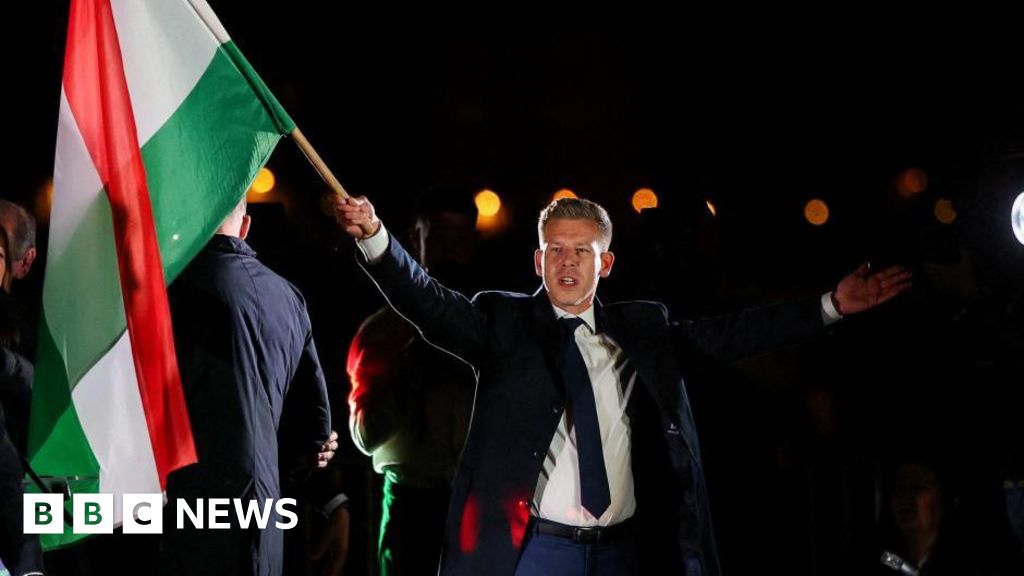
Hungary stands at a crossroads, torn between competing visions of its future. On one side, Prime Minister Viktor Orbán and his Fidesz party project unwavering confidence, assuring supporters of continued dominance. On the other, a growing opposition movement signals a potential shift in the political landscape. As tensions escalate, Hungary’s internal struggle mirrors broader global debates over democracy, authoritarianism, and the power of media influence.
The Illusion of Invincibility
For years, Orbán’s government has maintained an iron grip on Hungary’s political narrative. State-aligned media and sympathetic pollsters have reinforced the perception of Fidesz’s unshakable control, often predicting sweeping victories even as discontent simmers beneath the surface. Yet recent developments suggest cracks in this carefully constructed facade. Opposition parties, once fragmented, have begun consolidating, while public protests and international scrutiny challenge Orbán’s long-standing dominance.
The prime minister’s strategy—combining nationalist rhetoric, economic populism, and strict control over Hungary’s media—has kept him in power since 2010. However, economic pressures, rising inflation, and allegations of corruption have eroded some of his support. The question now is whether Hungary’s electorate will continue to endorse his vision or demand change.
Global Implications of Hungary’s Political Struggle
Hungary’s political turmoil is not an isolated event. Orbán’s brand of “illiberal democracy” has inspired similar movements across Europe and beyond, from Poland to the United States. His close ties with Russia and China have also positioned Hungary as a key player in the geopolitical tug-of-war between East and West.
The European Union, already grappling with internal divisions, watches Hungary with unease. Orbán’s repeated clashes with Brussels over rule-of-law violations, migration policies, and media freedoms have strained relations. If opposition forces gain ground, it could signal a broader rejection of authoritarian-leaning governance in Europe. Conversely, another Fidesz victory may embolden other leaders to follow Orbán’s playbook, further fracturing democratic norms.
Media Manipulation and the Battle for Truth
A critical factor in Hungary’s political divide is the state’s tight control over information. Government-backed outlets dominate the airwaves, shaping public perception with relentless pro-Fidesz messaging. Independent media, meanwhile, faces harassment, funding cuts, and legal challenges.
This media landscape has created two distinct realities: one where Orbán is an unchallenged leader steering Hungary to prosperity, and another where critics warn of democratic backsliding and cronyism. The disparity between official narratives and on-the-ground frustrations highlights the dangers of state-controlled information—a trend increasingly seen in other nations, from Turkey to Brazil.
Why This Matters Beyond Hungary
The stakes extend far beyond Budapest. Hungary’s political trajectory could influence:
- European Unity – A weakened Orbán might ease EU tensions, while his continued rule could deepen divisions.
- Global Authoritarianism – His success or failure may serve as a blueprint—or cautionary tale—for other strongman leaders.
- Media Freedom – The struggle between state propaganda and independent journalism in Hungary reflects a worldwide battle over truth and misinformation.
As economic hardships and political dissatisfaction grow, Hungary’s upcoming elections will test whether Orbán’s model can withstand mounting pressure—or if the country is on the brink of a historic shift.
A Pivotal Moment for Democracy
Hungary’s political drama is more than a domestic power struggle—it is a microcosm of the global fight between democratic values and authoritarian consolidation. Whether Orbán retains his grip or opposition forces break through, the outcome will resonate across continents. In an era where truth is contested and institutions are under siege, Hungary’s choices may foreshadow the future of governance itself. The world is watching.
