


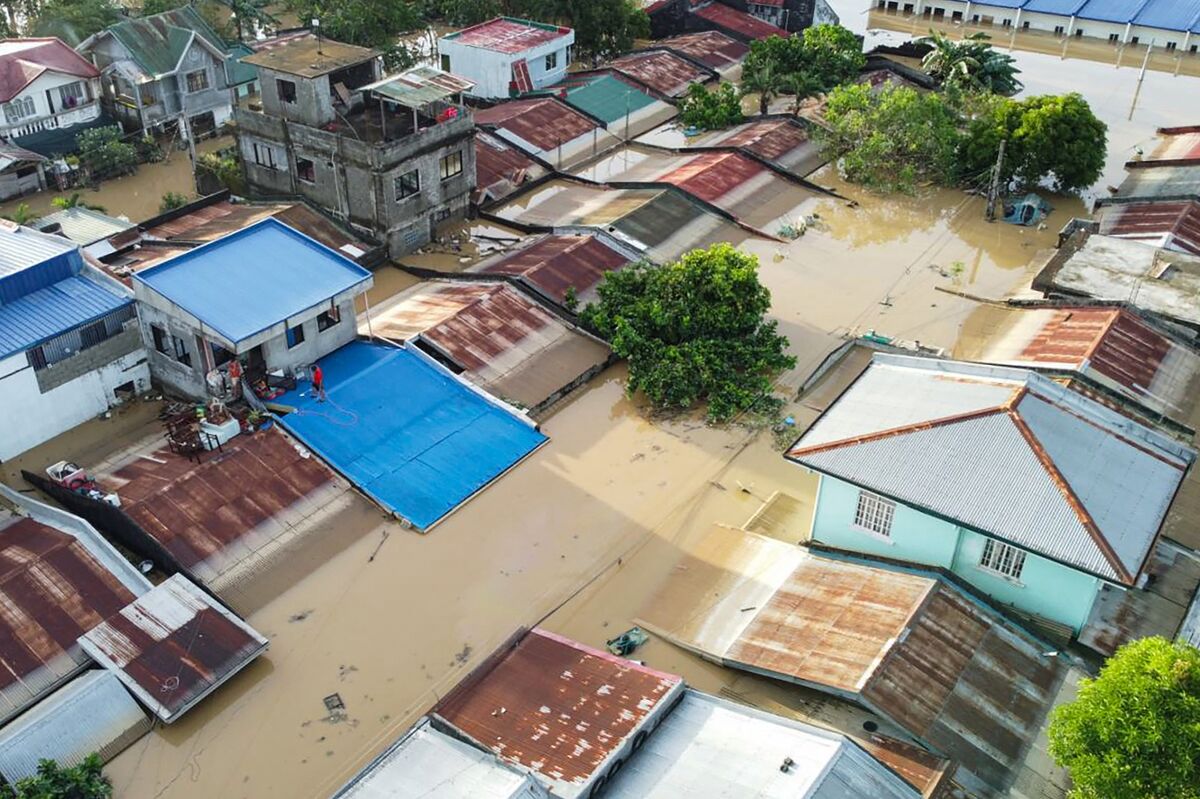

Global Investors Demand Transparency Reforms After Philippine Infrastructure Scandal
Pressure Mounts for Stricter Oversight of Government Projects
Manila, Philippines — International asset managers, including BNP Paribas Asset Management and Robeco Institutional Asset Management BV, are urging the Philippine government to implement stricter financial reporting standards for state-backed infrastructure projects. The push comes in the wake of a high-profile corruption scandal involving misused funds meant for flood control systems—a critical issue in a country frequently battered by devastating typhoons.
The scandal has reignited concerns over governance risks in emerging markets, particularly where large-scale public works lack sufficient oversight. Investors argue that without stronger transparency measures, confidence in the Philippines’ infrastructure development plans—a cornerstone of President Ferdinand Marcos Jr.’s economic agenda—could erode, deterring much-needed foreign capital.
The Scandal That Sparked Investor Backlash
The controversy centers on the Department of Public Works and Highways (DPWH), where auditors uncovered irregularities in ₱1.2 billion ($21 million) allocated for flood mitigation projects. Investigations revealed inflated contracts, ghost projects, and funds diverted to private accounts. The revelations have led to suspensions and criminal charges, but critics say the case highlights systemic weaknesses in procurement and financial tracking.
“The lack of accountability mechanisms increases investment risk,” said a senior analyst at BNP Paribas, speaking on condition of anonymity. “If public funds can vanish without consequences, how can investors trust the system?”
The Philippines, an archipelago of over 7,000 islands, is among the world’s most climate-vulnerable nations. Its flood control systems are vital, yet decades of underinvestment and graft have left infrastructure inadequate. The recent scandal has exposed how corruption exacerbates environmental threats—a troubling signal for ESG-focused funds.
Investors Push for Reforms
BNP Paribas and Robeco, alongside other institutional investors, are now advocating for:
- Mandatory third-party audits of all state infrastructure contracts.
- Real-time budget tracking to prevent diversion of funds.
- Stricter penalties for officials implicated in graft.
Their demands align with broader calls from the World Bank and Asian Development Bank, which have long emphasized governance reforms as a prerequisite for funding major projects.
“Transparency isn’t just about ethics—it’s about fiscal sustainability,” said a Robeco spokesperson. “Investors need assurance that capital is being deployed effectively.”
The Philippine government has responded cautiously, acknowledging “room for improvement” while defending its anti-corruption record. Finance Secretary Benjamin Diokno recently pledged to strengthen oversight but stopped short of endorsing the investors’ specific proposals.
Broader Implications for Emerging Markets
The standoff reflects a growing trend in global finance: institutional investors are no longer willing to overlook governance flaws, even in high-growth markets. With ESG (Environmental, Social, and Governance) criteria now a priority for trillions in managed assets, emerging economies face mounting pressure to clean up procurement processes.
The Philippines, in particular, is at a crossroads. Its infrastructure gap—estimated at $150 billion—requires substantial private investment. Yet recurring scandals threaten to scare off partners. Just last year, a Chinese-funded dam project collapsed amid allegations of substandard materials, further damaging credibility.
“If the government wants foreign capital, it must prove it can handle that capital responsibly,” said a Singapore-based fund manager with exposure to Southeast Asian infrastructure.
What Happens Next?
Analysts suggest the Marcos administration must act swiftly to reassure markets. Potential steps include:
- Adopting blockchain-based transparency tools for public contracts.
- Expanding whistleblower protections to encourage reporting of fraud.
- Partnering with multilateral agencies to audit high-risk projects.
Failure to reform could jeopardize flagship initiatives like the “Build Better More” program, which aims to modernize roads, ports, and climate resilience systems. With global investors watching closely, the Philippines’ next moves will signal whether it is serious about combating graft—or risking its economic future.
As one Manila-based economist put it: “The choice is simple: transparency or stagnation.”
