


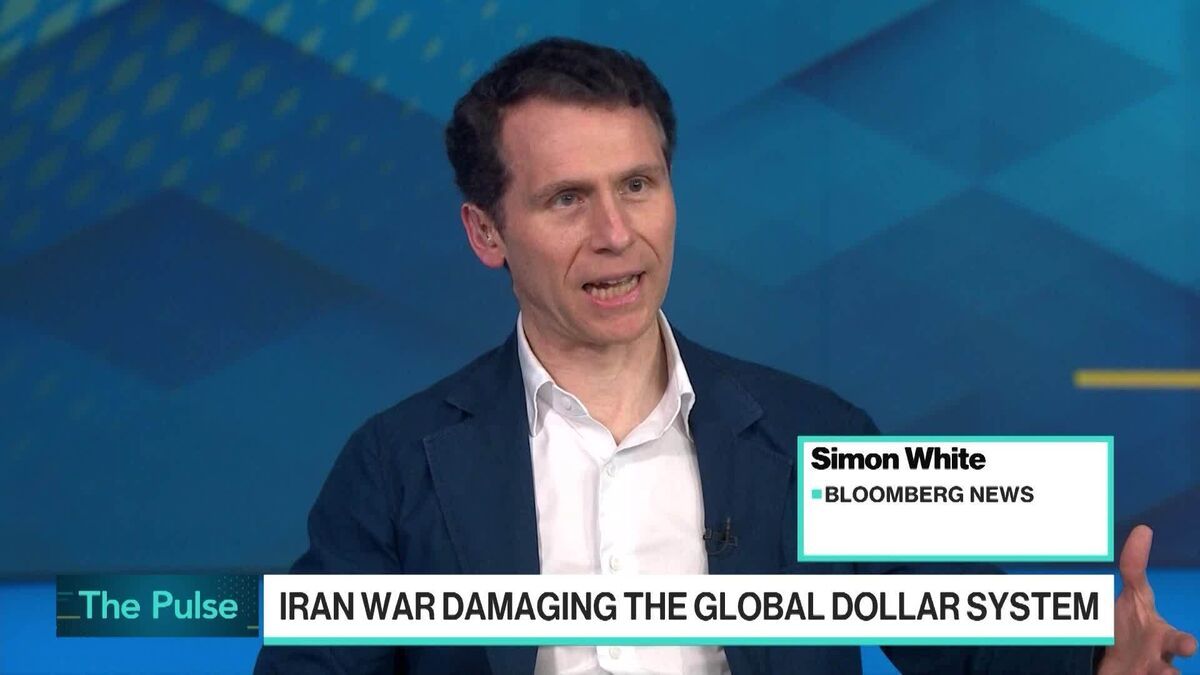

Global Financial Shifts Accelerate as Gold Surpasses Dollar Holdings Amid Rising Geopolitical Tensions
The Dollar’s Waning Dominance and the Resurgence of Gold
The U.S. dollar’s supremacy in global finance has weathered decades of predictions about its decline, yet recent geopolitical upheavals—particularly the escalating tensions between the U.S. and Iran—have accelerated a quiet but profound shift in the world’s monetary architecture. For the first time since the Bretton Woods II era, gold reserves have eclipsed central bank holdings of dollar assets when adjusted for valuation, signaling a potential turning point in the global financial order.
As Washington’s foreign policy grows increasingly unpredictable under the Biden administration, nations are reassessing their reliance on dollar-denominated assets. The weaponization of financial sanctions, combined with rising inflation and mounting U.S. debt, has spurred central banks—particularly in emerging markets—to diversify into gold and alternative currencies. While the dollar remains the world’s primary reserve currency, its long-term dominance appears increasingly uncertain as economic alliances fragment and new trade blocs emerge.
The Geopolitical Catalyst: U.S.-Iran Tensions and the Erosion of Trust
The recent flare-up between the U.S. and Iran has underscored the vulnerabilities of a dollar-centric financial system. Following the assassination of a senior Iranian commander in a U.S. drone strike, Tehran intensified its efforts to bypass dollar-based transactions, turning instead to gold and bilateral currency swaps with allies like China and Russia. This trend is not isolated—countries facing U.S. sanctions, from Venezuela to North Korea, have long sought workarounds, but the acceleration of de-dollarization among major economies marks a critical inflection point.
“The dollar’s strength has always been underpinned by trust in U.S. institutions and the stability of its policies,” says Dr. Elena Petrova, a senior economist at the London School of Economics. “But as geopolitical risks rise and Washington employs financial sanctions more aggressively, even traditional allies are quietly reducing their dollar exposure.”
Data from the International Monetary Fund (IMF) reveals that dollar reserves held by central banks have slipped to 58% of global allocations—down from 71% in 2001—while gold holdings have surged to their highest level in three decades. China and Russia, leading the charge, have quadrupled their gold reserves since 2010, with Turkey, India, and Poland also ramping up acquisitions.
The End of Bretton Woods II? A Fragmented Monetary Landscape
The post-2008 financial crisis era, often termed “Bretton Woods II,” was characterized by the dollar’s reinforced role as the world’s anchor currency, backed by the liquidity of U.S. Treasury markets. Yet today, that system is showing cracks. The Federal Reserve’s aggressive monetary policies, including near-zero interest rates and quantitative easing, have eroded confidence in the dollar’s long-term value. Meanwhile, the rise of digital currencies—from China’s digital yuan to decentralized cryptocurrencies—threatens to further disrupt traditional reserve dynamics.
“The world is moving toward a multipolar currency system,” notes Mark Williams, a former Federal Reserve risk officer. “The euro, the yuan, and even gold are gaining traction as viable alternatives. The question isn’t whether the dollar will lose its top spot, but how quickly and chaotically that transition occurs.”
Emerging markets, in particular, are hedging against dollar volatility. Brazil and Argentina recently agreed to settle trade in their own currencies, bypassing the dollar altogether. India and the UAE have explored rupee-dirham transactions, while Southeast Asian nations are deepening local currency cooperation under the ASEAN framework.
Gold’s Renaissance: A Safe Haven in Uncertain Times
Gold, once dismissed as a relic of the past, has staged a remarkable comeback. Central banks purchased a record 1,136 metric tons in 2022—the most since 1967—and demand shows no signs of slowing. Unlike fiat currencies, gold is immune to inflation, political risk, or default, making it an attractive store of value amid economic turbulence.
“Gold is the ultimate neutral asset,” says commodities strategist James Steel of HSBC. “When trust in governments wanes, gold thrives.”
Investors have taken note. Exchange-traded funds (ETFs) backed by gold have seen record inflows, while retail demand in Asia and the Middle East remains robust. Even Wall Street, traditionally dollar-centric, is warming to gold as a hedge against stagflation and geopolitical shocks.
The Road Ahead: A Gradual Decline, Not a Collapse
Despite these shifts, experts caution against proclaiming the dollar’s demise prematurely. The U.S. still boasts the deepest capital markets, and no single currency is positioned to fully replace the dollar yet. However, the trend toward diversification is unmistakable—and with Washington’s fiscal deficits ballooning and political polarization intensifying, the risks to dollar hegemony are mounting.
“The dollar won’t collapse overnight, but its share of global reserves will keep shrinking,” predicts economist Nouriel Roubini. “The era of American financial unilateralism is ending.”
As nations increasingly look beyond the dollar, the global economy is entering uncharted territory—one where gold, digital currencies, and regional trade blocs may redefine the rules of financial power. Whether this transition unfolds smoothly or chaotically will depend largely on how Washington adapts to a world no longer willing to take the dollar’s dominance for granted.
For now, one thing is clear: the age of dollar supremacy is fading, and the world is preparing for what comes next.
