


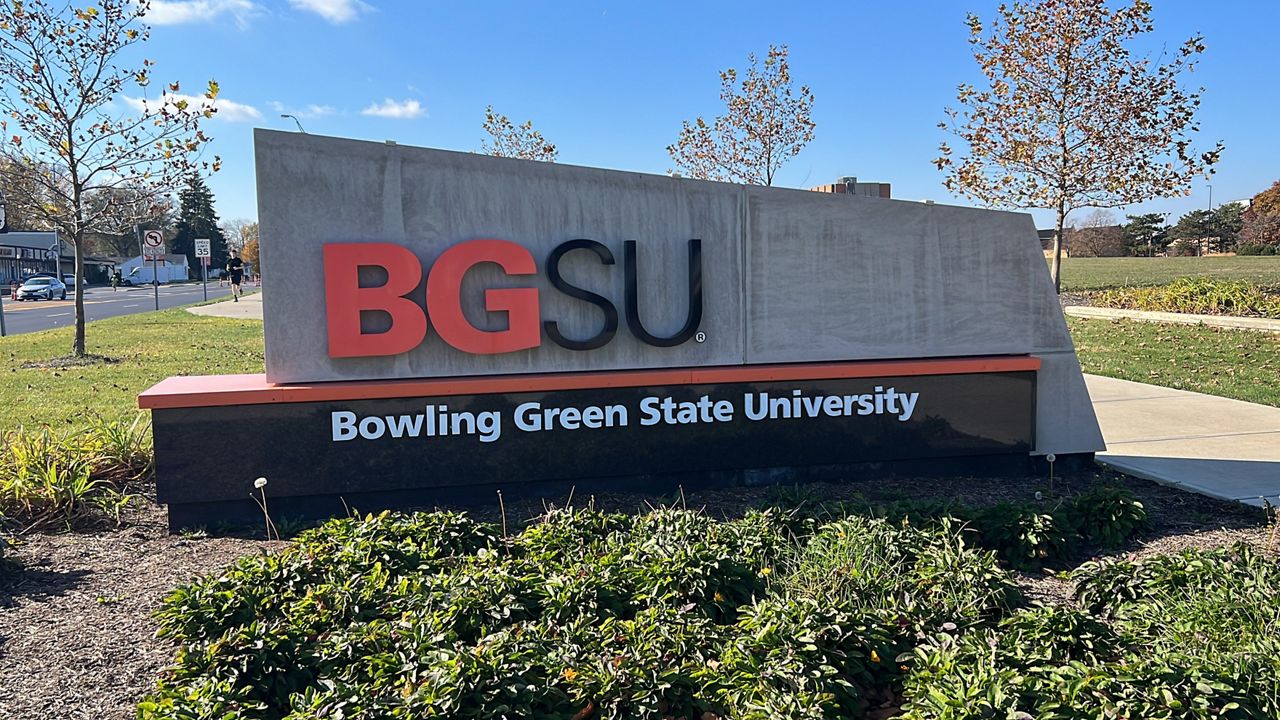

Bowling Green State University Cuts Six Programs, Restructures 20 More to Comply with Ohio Senate Bill 1
Bowling Green State University (BGSU) in Ohio has announced significant changes to its academic offerings, cutting six programs and restructuring 20 others to comply with Senate Bill 1, a law signed by Governor Mike DeWine in March 2025. The move highlights the ongoing ripple effects of the controversial legislation, which aims to reshape higher education in the state.
Senate Bill 1 mandates that universities eliminate undergraduate programs that have awarded fewer than five degrees annually over any three-year period. BGSU’s decision affects a range of disciplines, from the arts to the sciences, as the university seeks to align with the new requirements. Notably, admissions to the six suspended programs will halt starting in the Spring 2027 semester.
What’s Changing at BGSU?
The programs being reconfigured include popular majors such as the Bachelor of Arts in Art History, Film Studies, and Spanish, as well as specialized degrees like the Bachelor of Science in Gerontology and Public Health. Meanwhile, the university will suspend admissions to programs like the Associate of Applied Science in Human Services, Bachelor of Arts in Geography, and Bachelor of Science in Physics.
BGSU is also seeking state approval to restructure four additional programs: American Culture Studies, Ethnic Studies, Popular Culture, and Women’s, Gender, and Sexuality Studies. These proposals reflect the university’s efforts to adapt to the law while preserving its academic mission.
Impact on Students
Current students enrolled in affected programs, including those planning to start this fall, will be able to complete their degrees without interruption. The university has emphasized its commitment to ensuring no student is left in limbo due to these changes.
“Our priority is to support our students through this transition,” said a BGSU spokesperson. “While these adjustments are necessary to comply with state law, we remain focused on providing a high-quality education for all our students.”
The Broader Context of Senate Bill 1
Senate Bill 1 has drawn widespread attention for its wide-ranging implications. Beyond program eliminations, the law restricts diversity initiatives, threatens diversity scholarships, imposes classroom discussion limits, and introduces post-tenure reviews for faculty. Critics argue that it undermines academic freedom and diversity efforts, while supporters claim it promotes efficiency and accountability in higher education.
BGSU’s decision is part of a broader trend across Ohio’s public universities, as institutions grapple with the law’s stringent requirements. Other schools may soon follow suit, leading to further shifts in the state’s higher education landscape.
Looking Ahead
As BGSU moves forward with these changes, questions remain about the long-term impact on academic diversity and student choice. Will these cuts weaken the university’s offerings, or will restructuring lead to stronger, more focused programs?
For now, BGSU’s administration is focused on navigating the transition while maintaining its reputation as a leading public institution. Students, faculty, and alumni will be watching closely as the university adapts to this new era of higher education in Ohio.
— Reported by Nexio News
