



Ohio Farmer’s Solar Farm Dreams Crushed by Local Ban, Highlighting National Renewable Energy Battle
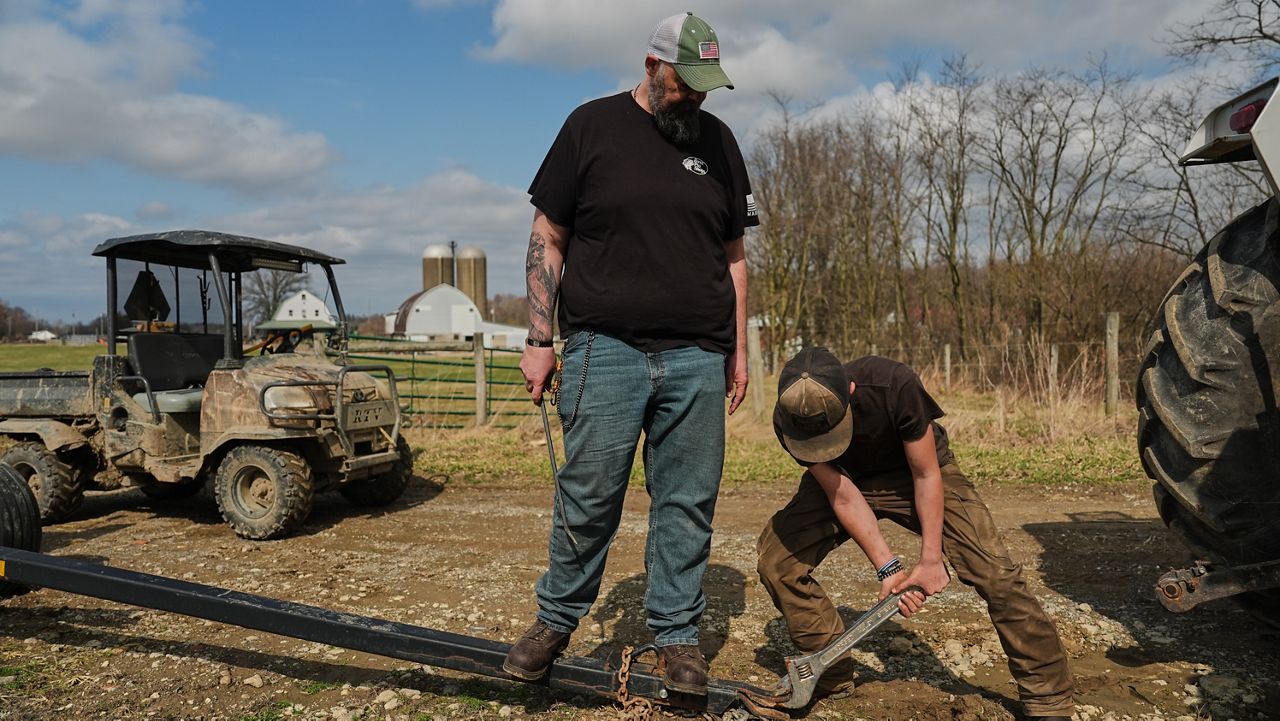
CANFIELD, Ohio — Wayne Greier stares out the window of his combine, watching his teenage son Blake maneuver a tractor across their barren field. It’s planting season, but uncertainty looms over the Greier family farm—a sixth-generation operation now struggling under mounting medical debt.
A lifeline vanished in 2023 when local officials blocked a proposed solar farm on Greier’s land, citing an Ohio state law that lets counties restrict renewable energy projects. The $540,000 annual lease payments from the deal could have saved his farm. Instead, Greier sold off parcels to stay afloat.
“It was our saving grace,” Greier said. “People paint solar as this scary thing, but for us, it was survival.”
Local Resistance vs. Economic Reality
Opposition to solar projects has surged nationwide, with communities citing aesthetics, land use, and environmental concerns. But farmers like Greier argue these projects offer financial stability in an unpredictable industry.
A 2025 Columbia University study found a 16% spike in local restrictions on renewables across 44 states between 2023 and 2024. Yet some areas are pushing back, citing jobs, tax revenue, and property rights.
In Richland County, Ohio, advocates secured a May referendum to overturn a wind and solar ban. Morgan Carroll, a mother of two leading the campaign, sees renewable energy as key to her children’s future. “I want them to grow up in a county with jobs and good schools,” she said. “We shouldn’t have to move.”
Federal Policy Fuels Local Fights
The Trump administration’s rollback of green energy incentives has intensified the battle. Last year, Congress shortened deadlines for solar projects to qualify for tax credits, forcing developers to accelerate timelines.
In Kentucky, Lita Leavell’s 1,000-acre cattle farm lost a $60,000-a-year solar lease after Garrard County passed restrictive ordinances—citing federal opposition as justification. Leavell, a Republican, is now part of a lawsuit challenging the ban.
“Why should Washington dictate what I do with my land?” she said.
Property Rights at the Core
For Greier, the fight is personal. After facing ostracism and depression over the failed solar deal, he joined the Renewable Energy Farmers of America to advocate for others.
“This isn’t just about energy—it’s about families keeping their land,” he said. “That opportunity was taken from us.”
As debates rage nationwide, the question remains: Who gets to decide the future of America’s farmland—landowners or lawmakers?
— Reported by Nexio News
