


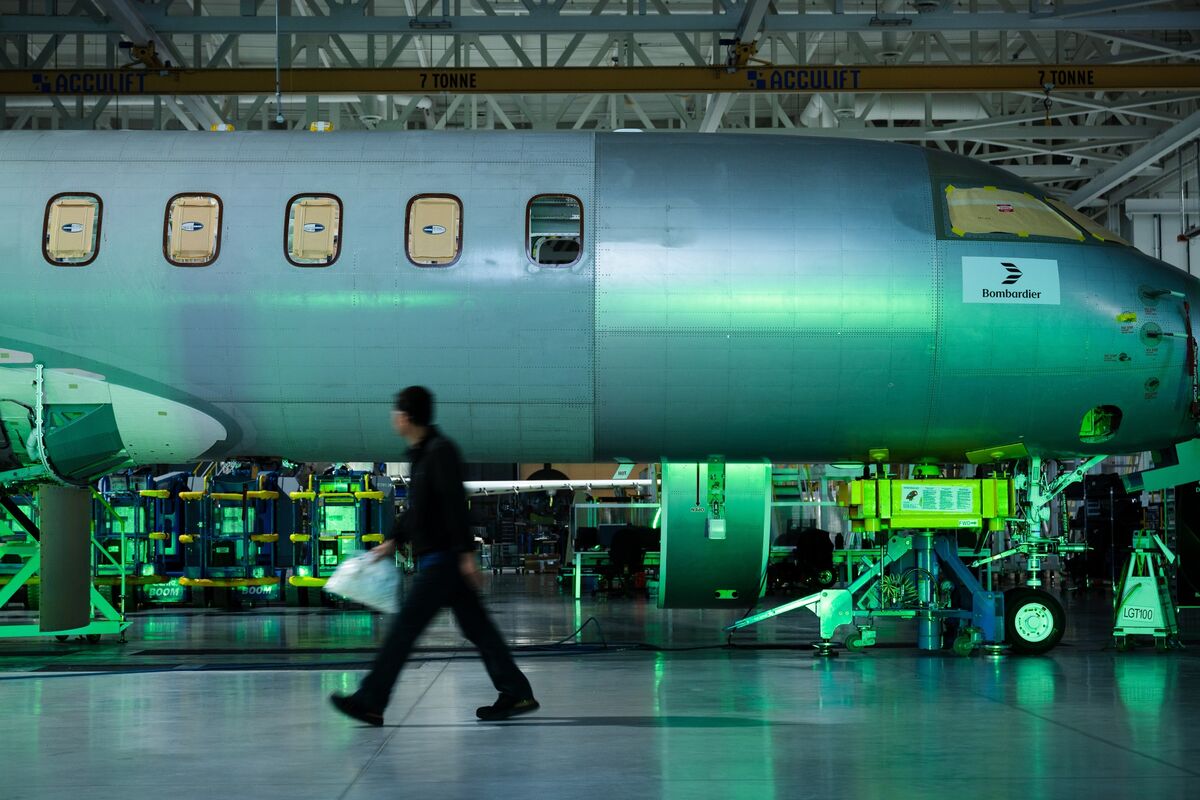

Private Aviation Soars: Bond Jets Commits $5 Billion to Bombardier Amid Growing Demand for Luxury Air Travel
The allure of private aviation has never been stronger, and luxury jet operator Bond is doubling down on its bet that the ultra-wealthy are willing to pay top dollar for an exclusive, club-style experience in the skies. In a landmark move, the Miami-based company has announced a staggering $5 billion commitment to Canadian aircraft manufacturer Bombardier Inc., significantly expanding its fleet of state-of-the-art jets. This deal underscores the booming demand for private air travel among the world’s elite, even as commercial aviation faces turbulence from rising costs and environmental scrutiny.
Bond’s decision to deepen its partnership with Bombardier reflects a broader shift in the private aviation industry, where convenience, privacy, and bespoke services are increasingly prioritized over traditional commercial flights. The company, known for its innovative subscription model and high-end amenities, aims to cater to a growing clientele of affluent travelers seeking seamless, luxurious experiences both on the ground and in the air.
A Surge in Private Aviation Demand
The private jet market has experienced unprecedented growth in recent years, fueled by a combination of factors. The COVID-19 pandemic played a pivotal role, as health-conscious travelers turned to private aviation to avoid crowded airports and minimize exposure to viruses. According to industry reports, private jet usage surged by nearly 40% in 2021 compared to pre-pandemic levels, and the momentum has shown no signs of slowing down.
For the ultra-wealthy, private jets are no longer just a status symbol but a practical solution for efficient, flexible travel. Bond’s subscription-based model, which offers members access to a fleet of aircraft without the burden of ownership, has proven particularly appealing. Members pay a hefty annual fee—reported to be in the hundreds of thousands of dollars—in exchange for guaranteed flight availability, personalized services, and access to exclusive lounges and events.
This model has resonated with entrepreneurs, executives, and celebrities alike, who value both the convenience and the discreet, high-touch experience that Bond provides. By expanding its fleet with Bombardier jets, the company aims to meet rising demand while reinforcing its reputation as a leader in luxury air travel.
Bombardier’s Role in the Luxury Jet Market
Bombardier, a global leader in business jet manufacturing, has long been synonymous with innovation and elegance in the aviation industry. The Canadian company’s flagship models, including the Global 7500 and Challenger 650, are renowned for their cutting-edge technology, spacious interiors, and exceptional performance. Bond’s $5 billion commitment will reportedly focus on acquiring these models, which offer transcontinental range and customizable cabins designed to rival luxury residences.
This partnership is also a significant win for Bombardier, which has been working to solidify its position in the competitive private jet market. The company has faced headwinds in recent years, including supply chain disruptions and economic uncertainty, but deals like this underscore the enduring appeal of its products among high-net-worth individuals and private jet operators.
The Economics of Luxury Travel
Bond’s $5 billion investment highlights the increasingly lucrative nature of the private aviation sector. While commercial airlines continue to grapple with rising fuel costs, labor shortages, and environmental pressures, private jet operators are capitalizing on their ability to offer unparalleled service and exclusivity. Analysts estimate that the global private jet market could grow by more than $5 billion annually over the next decade, driven by increasing wealth concentration and a growing appetite for personalized travel experiences.
However, the industry is not without its challenges. Critics argue that private jets are a symbol of extravagance in an era of heightened climate awareness. Private aviation accounts for a disproportionate share of carbon emissions per passenger compared to commercial flights, prompting calls for greater accountability and sustainability measures. Bond and Bombardier have both emphasized their commitment to reducing their environmental footprint, including investments in sustainable aviation fuels (SAFs) and more fuel-efficient aircraft.
A New Era of Air Travel
Bond’s expansion marks a significant milestone in the evolution of private aviation. By partnering with Bombardier, the company is not only investing in its fleet but also redefining what it means to travel in style. The ultra-wealthy are no longer content with mere transportation—they seek immersive experiences that reflect their lifestyles and values. From gourmet catering to in-flight concierge services, Bond is setting a new standard for luxury air travel.
The company’s vision extends beyond the aircraft itself. Memberships include access to private terminals, expedited security screenings, and ground transportation services, creating a seamless journey from start to finish. For Bond’s clientele, time is the ultimate luxury, and every aspect of the experience is designed to maximize efficiency and comfort.
Looking Ahead
As Bond prepares to integrate its new fleet of Bombardier jets, the company faces both opportunities and challenges. On one hand, the growing demand for private aviation suggests significant potential for expansion. On the other hand, the industry must navigate rising costs, environmental concerns, and regulatory scrutiny. Balancing these competing priorities will be key to sustaining long-term growth.
For Bombardier, the deal underscores the resilience of the luxury jet market and the enduring appeal of its products. By aligning with innovative operators like Bond, the company is well-positioned to capitalize on the shifting dynamics of air travel.
In a world where convenience and exclusivity are increasingly valued, Bond’s $5 billion commitment signals a bold vision for the future of luxury air travel. Whether this bet will pay off remains to be seen, but one thing is clear: the skies are becoming more exclusive than ever before. As the private aviation industry continues to soar, it will be fascinating to see how it evolves to meet the demands of an increasingly discerning clientele while addressing the broader challenges of sustainability and accessibility.
