


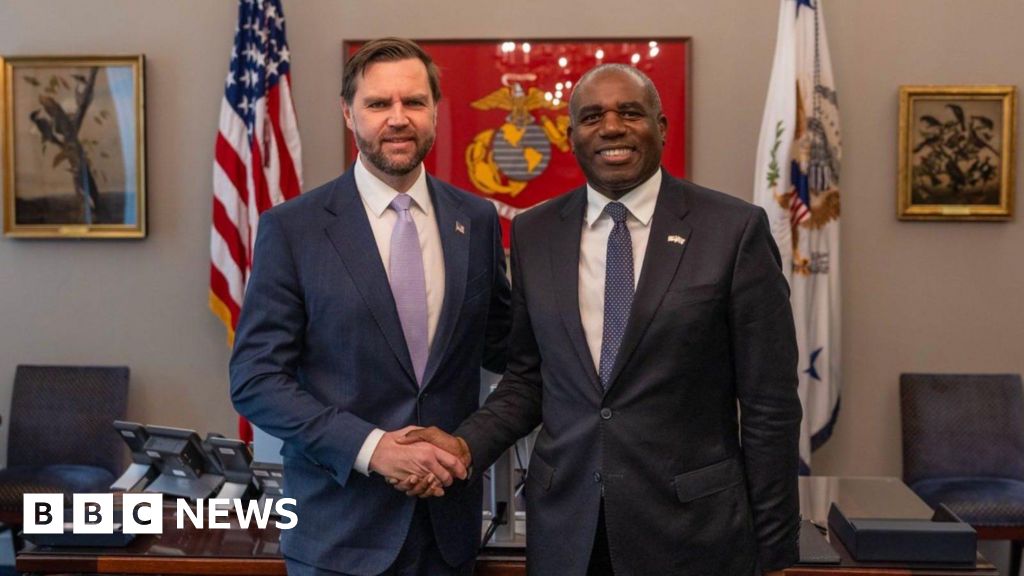

Despite Frosty Leader Relations, Ties Between Nations Remain Warm
Amid growing political tensions between their leaders, the broader relationship between the United States and France continues to thrive, defying expectations of a diplomatic chill. While President Joe Biden and French President Emmanuel Macron have exchanged sharp words in recent months, the intricate web of economic, cultural, and military ties between the two nations remains robust, underscoring the resilience of their longstanding alliance.
The friction between Biden and Macron has been impossible to ignore. Recent disagreements over trade policies, defense partnerships, and approaches to global crises have led to public spats, raising concerns about the stability of U.S.-France relations. Macron’s criticism of U.S. climate policies and Biden’s focus on domestic industries has fueled perceptions of a growing divide. Yet, beneath the surface, cooperation persists on multiple fronts, suggesting that the alliance is far more durable than the headlines suggest.
Economic Ties Remain Strong
The U.S. and France are deeply interconnected economically, with bilateral trade surpassing $100 billion annually. French companies like Airbus, L’Oréal, and TotalEnergies have significant investments in the U.S., while American tech giants such as Google and Amazon continue to expand their presence in France. This mutual economic dependency acts as a stabilizing force, ensuring that disputes between leaders do not escalate into broader economic fallout.
Recent efforts to strengthen trade relations further highlight this enduring partnership. Both nations have collaborated on initiatives to boost innovation and green energy, recognizing their shared interests in combating climate change and advancing technological progress. This economic interdependence serves as a reminder that the U.S.-France relationship is built on more than just political camaraderie.
Military and Security Cooperation
On the security front, the U.S. and France remain key allies within NATO, collaborating on counterterrorism efforts, cyber defense, and peacekeeping missions. France’s strategic location and military capabilities make it a critical partner for the U.S. in addressing global security challenges, particularly in regions like the Sahel and the Middle East.
Despite occasional disagreements over defense spending and strategy, the two nations have maintained a strong military partnership. Joint exercises and intelligence-sharing initiatives continue unabated, reflecting a shared commitment to maintaining global stability. This cooperation underscores the importance of the U.S.-France alliance in addressing complex security threats.
Cultural and Diplomatic Bonds Endure
Cultural ties between the U.S. and France also remain vibrant, acting as a bridge between the two nations. Educational exchanges, artistic collaborations, and tourism continue to flourish, reinforcing the deep-rooted connection between their societies. Paris remains one of the most popular destinations for American travelers, while French universities attract thousands of U.S. students each year.
Diplomatically, both countries have worked together on pressing global issues, from vaccine distribution during the COVID-19 pandemic to humanitarian aid for Ukraine. These joint efforts demonstrate a shared commitment to addressing international challenges, even as their leaders navigate personal and political differences.
Why It Matters
The resilience of U.S.-France relations amid leader tensions is significant for several reasons. First, it highlights the importance of institutional partnerships over individual personalities in maintaining global alliances. While personal chemistry between leaders can influence diplomatic relations, the underlying ties between nations often prove more enduring.
Second, the U.S.-France alliance remains a cornerstone of the Western world, playing a crucial role in shaping global politics, economics, and security. A stable relationship between these two nations is essential for addressing challenges like climate change, geopolitical conflicts, and technological disruption.
Finally, the situation serves as a reminder that diplomatic relations are multifaceted, encompassing more than just political agreements. Economic, cultural, and military ties create a foundation that can withstand periods of political discord, ensuring that alliances endure despite leadership changes or disagreements.
Future Implications
Looking ahead, the U.S.-France relationship is likely to face continued tests as global challenges evolve and domestic pressures persist. The upcoming U.S. presidential election and France’s own political landscape could introduce new dynamics, potentially reshaping the tone of their alliance.
However, the enduring strength of their economic, cultural, and security ties suggests that the relationship will remain resilient. Both nations have a vested interest in maintaining their partnership, even as they navigate occasional disagreements.
The ability of the U.S. and France to sustain their alliance despite leader tensions offers a valuable lesson for diplomacy in an increasingly polarized world. It underscores the importance of focusing on shared interests and mutual benefits, ensuring that partnerships endure beyond the ebbs and flows of political rhetoric.
As the global landscape continues to shift, the U.S.-France relationship will remain a barometer of Western solidarity and cooperation. Its resilience serves as a testament to the enduring power of alliances built on shared values and mutual interests.
