



Global Energy Security at a Crossroads: Renewables Key to Stability Amid Middle East Conflict, Says Northland Power CEO
Hong Kong – May 2024
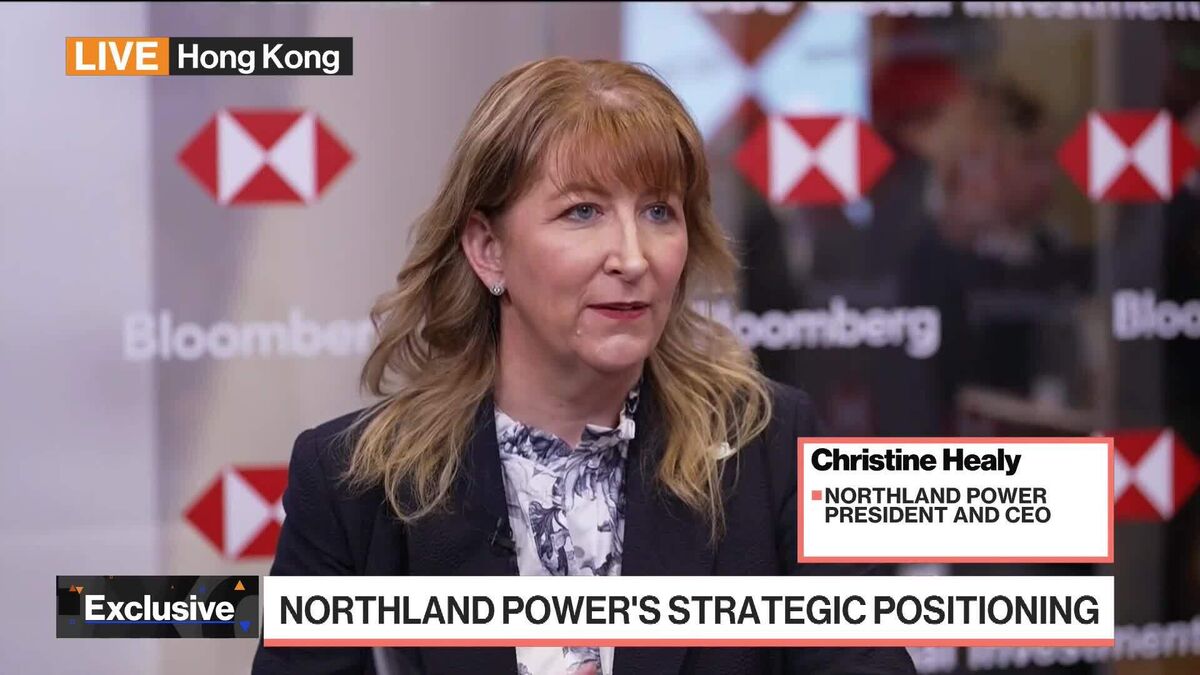
The escalating conflict in the Middle East has sent shockwaves through global energy markets, underscoring the urgent need for nations to prioritize domestic energy security through renewable investments, according to Christine Healy, President and CEO of Canadian energy giant Northland Power. In an exclusive interview with Bloomberg on the sidelines of the HSBC Global Investment Summit in Hong Kong, Healy warned that geopolitical instability is a stark reminder of the vulnerabilities inherent in relying on volatile fossil fuel supply chains—and that renewables offer a viable path forward.
“Energy security is no longer just an economic issue—it’s a matter of national resilience,” Healy said. “The Middle East crisis has exposed how fragile traditional energy systems are. The transition to renewables isn’t just about climate goals; it’s about ensuring stable, sovereign power supplies.” Her comments come as oil prices fluctuate amid tensions in the Red Sea and concerns over potential disruptions to critical shipping routes.
The Geopolitical Catalyst for Change
The Middle East, home to nearly half of the world’s proven oil reserves, has long been a linchpin of global energy markets. Recent conflicts, including Houthi attacks on commercial vessels and broader regional instability, have reignited debates about over-reliance on fossil fuel imports. The International Energy Agency (IEA) reports that oil prices surged by 15% in the first quarter of 2024, with analysts warning of further volatility.
Healy argues that such disruptions should accelerate the shift toward wind, solar, and other renewables. “When you control your energy production domestically, you’re not at the mercy of geopolitical shocks,” she noted. Countries like Germany and Japan, which historically depended on Middle Eastern oil and gas, have already ramped up renewable investments post-Ukraine war—a trend Healy believes will intensify.
Renewables: The Economic and Strategic Imperative
Northland Power, a leader in offshore wind and solar projects across Europe, Asia, and Latin America, has seen growing demand for its infrastructure as governments seek alternatives to imported fuels. Healy pointed to Europe’s rapid deployment of wind energy following Russia’s invasion of Ukraine as a blueprint. “The EU fast-tracked permits and funding for renewables, cutting red tape. That’s the kind of urgency we need globally,” she said.
The numbers support her case. BloombergNEF estimates global renewable energy capacity will double by 2030, with solar and wind accounting for over 80% of new power generation. Emerging markets, from India to Brazil, are also embracing renewables to reduce import bills and create jobs. “This isn’t just an environmental win—it’s an economic one,” Healy emphasized.
Challenges and Opposition
Despite the momentum, hurdles remain. Critics argue that renewables alone cannot yet meet baseload energy demands, citing intermittency issues with solar and wind. Healy acknowledged the concerns but highlighted advancements in battery storage and grid modernization. “Technology is closing the gap. The narrative that renewables are unreliable is outdated,” she countered.
Fossil fuel interests also pose political obstacles. In the U.S., lawmakers have clashed over subsidies for oil versus renewables, while some developing nations resist transitioning due to short-term cost concerns. Healy urged policymakers to adopt long-term incentives: “The upfront investment in renewables pays off in stability and lower costs over time.”
A Global Call to Action
Healy’s message aligns with broader calls from the IEA and UN for tripling renewable capacity by 2030 to meet climate targets. However, she stressed that energy security must be a parallel driver. “Climate action and energy independence aren’t competing goals—they’re two sides of the same coin,” she said.
The HSBC summit, attended by financiers and policymakers, highlighted the growing role of private capital in enabling the transition. HSBC CEO Noel Quinn noted that green investments now outpace fossil fuels in many markets, signaling a “structural shift” in energy finance.
The Road Ahead
As the Middle East conflict continues, its ripple effects on energy markets may prove a turning point. For Healy, the lesson is clear: “The nations that invest boldly in renewables today will be the most secure tomorrow. The alternative is continued vulnerability.”
While the path to a renewable-powered future is fraught with challenges, the geopolitical and economic winds appear to be blowing in one direction. As Healy put it: “The age of energy sovereignty has arrived—and renewables are its foundation.”
—Reporting by [Your Name], with additional data from Bloomberg and the IEA.
