



Ohio Proposes New Energy Bill to Tackle Rising Utility Costs
Ohio lawmakers are stepping up efforts to address soaring utility bills that have left residents grappling with higher expenses. A new statehouse proposal, Senate Bill 293, aims to revamp Ohio’s energy landscape by encouraging investments in mid-sized power generation projects, particularly on underutilized land. The bill, which had its second hearing this week, seeks to boost the state’s energy supply without passing the costs onto residential consumers.
The legislation focuses on virtual net metering, a system that allows businesses to generate power off-site—such as at landfills, brownfields, or abandoned mines—and feed it back into the local grid. This approach not only leverages unused land but also accelerates the deployment of renewable energy sources like solar and wind. Tom Bullock, Executive Director of the Citizens Utility Board of Ohio (CUB Ohio), emphasized the bill’s potential to quickly inject more electricity into local grids.
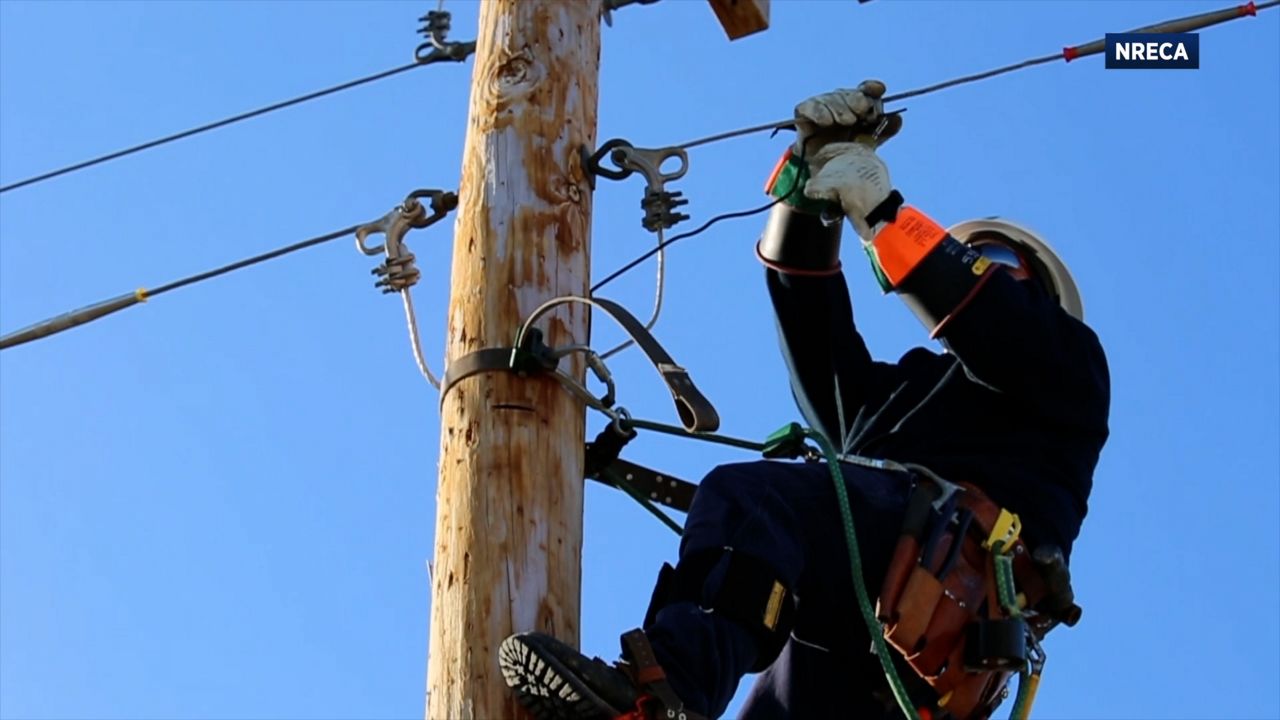
“This would get more electricity onto the wooden poles and wires in your neighborhood faster,” Bullock explained. “It’s not about the giant transmission lines crossing farm fields to connect to other states. This is about local, rapid solutions.”
Unlike traditional energy projects, which can take up to 15 years to complete, Bullock noted that these mid-sized facilities could be operational within two to three years. This accelerated timeline could provide much-needed relief as demand for electricity continues to surge.
One of the bill’s standout features is its focus on nonresidential investors. Companies, particularly industrial and commercial entities, would shoulder the costs of these energy projects, sparing residential customers from footing the bill. Maureen Willis, Director of the Ohio Consumers Council, highlighted the bill’s potential to ease pressure on homeowners.
“Large industrial and commercial customers will bear the costs,” Willis said. “This approach not only curbs rising demand but also promotes diverse energy sources, from solar and wind to landfill gas.”
The bill has garnered bipartisan support, with Democratic State Senator Kent Smith praising its potential to lower energy prices and embrace renewable energy solutions. “This increase in supply will bring prices down,” Smith said. “It’s a midterm solution that aligns with the new energy economy.”
The proposal also promises broader economic benefits, including potential reductions in property taxes. By lowering operational costs for institutions like schools and hospitals, the bill could ease financial burdens on local taxpayers. Bullock framed the choice starkly: “Would you rather have your school district pay higher electricity prices, which you’ll eventually cover through property taxes, or save money upfront and ease the tax pressure? To me, this is a smart investment.”
While the bill has received widespread support, lawmakers raised questions during the hearing, particularly about potential risks if investments fall through. However, proponents remain optimistic about its ability to reshape Ohio’s energy future.
The bill is expected to undergo further committee review before advancing to a Senate vote. If passed, it could mark a significant step toward a more sustainable and affordable energy system in Ohio.
— Reported by Nexio News
