



EPA Considers Loosening Air Pollution Rules for Chemical Recycling Plants, Sparking Environmental Concerns
The U.S. Environmental Protection Agency (EPA) is reevaluating whether chemical recycling facilities should be subject to the same stringent air pollution standards as waste incinerators. The potential shift has raised alarm among environmental advocates, who warn it could lead to increased toxic emissions in communities already burdened by pollution.
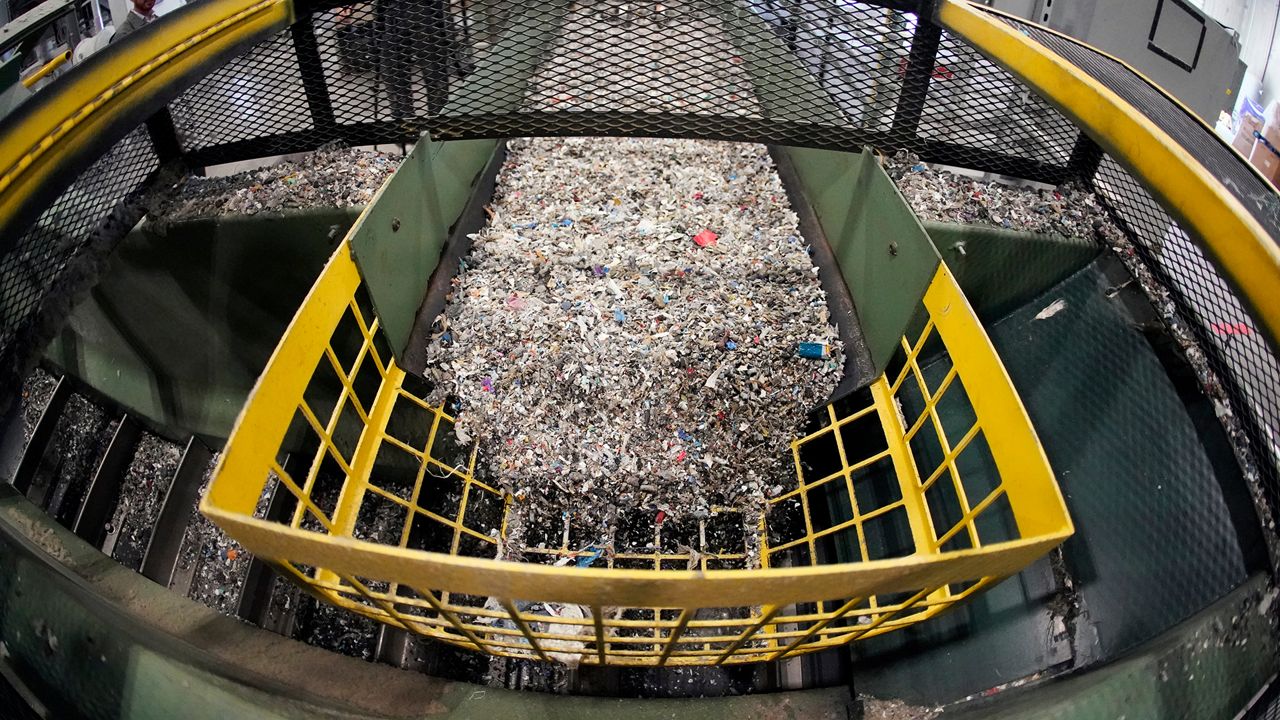
At the heart of the debate is pyrolysis, a chemical recycling process that uses heat to break down plastics into reusable materials. Currently, pyrolysis facilities are regulated under Section 129 of the Clean Air Act, which governs incinerators and imposes strict limits on nine pollutants, including heavy metals, dioxins, and toxic particulates. The EPA now suggests reclassifying pyrolysis as a manufacturing process under Section 111 of the act, which environmental groups argue would weaken oversight and allow higher emissions.
Why the Change?
The EPA claims the 2005 rule classifying pyrolysis as incineration was vague, causing confusion for the industry. A new rule, still in the public comment phase, could clarify pyrolysis as manufacturing, potentially easing regulatory hurdles. Ross Eisenberg, president of America’s Plastic Makers at the American Chemistry Council (ACC), supports the move, arguing that pyrolysis aims to recover materials rather than destroy them.
“Pyrolysis is recycling, not incineration,” Eisenberg said. “It’s about preserving materials and putting them back into the manufacturing cycle.”
However, critics like Judith Enck, a former EPA regional administrator and founder of Beyond Plastics, say the change would strip away crucial environmental protections. “Chemical recycling companies don’t want to comply with incinerator standards because it’s expensive,” Enck said. “This is a disturbing move that prioritizes industry profits over public health.”
What’s at Stake?
John Walke, clean air director at the Natural Resources Defense Council (NRDC), warns that reclassifying pyrolysis could leave communities vulnerable to unchecked emissions. Under Section 111, fewer pollutants are regulated, and Walke says it would take years to establish new standards, creating a regulatory gap.
“A facility could turn off pollution controls overnight, releasing hazardous air pollutants into the same community that was protected the day before,” Walke said.
Eisenberg counters that pyrolysis facilities are already heavily regulated by state permits and other Clean Air Act provisions, ensuring emissions remain controlled. Still, environmental groups argue that chemical recycling is not a silver bullet for the plastic waste crisis.
The Plastic Problem
Over 90% of plastics are not recycled globally, according to the ACC. Chemical recycling, also called advanced recycling, promises to tackle this issue by breaking plastics into raw materials that can be reused in manufacturing or as fuel. The ACC touts pyrolysis as a complement to traditional mechanical recycling, capable of diverting waste from landfills and reducing reliance on virgin plastic production.
Yet critics see it as a false solution. “Advanced recycling is waste disposal disguised as recycling,” Enck said. “The real solution is producing and using less plastic.”
Currently, six pyrolysis plants operate in the U.S., with facilities in Ohio, Texas, North Carolina, Indiana, and Georgia, and more under construction in Arizona and West Virginia. Despite legislative support in 25 states, Eisenberg acknowledges that permitting challenges have slowed the industry’s growth.
A Buried Proposal?
The EPA’s potential rule change gained attention in March when it was included in a broader proposal about air curtain incinerators. Critics argue the pyrolysis section was buried in the document, giving the public little notice.
At a recent public hearing, advocates, including members of Moms Clean Air Force, urged the EPA to maintain pyrolysis regulations as incineration. Kiya Stanford, the group’s Georgia state organizer, called the change a “move to prioritize polluters over people,” allowing plastics to vanish from sight only to reappear as toxic air pollution.
The EPA attempted a similar rule change in 2020 under the Trump administration, which the Biden administration later withdrew. If finalized now, the NRDC plans to challenge it in court.
As plastic pollution continues to plague the planet, the EPA’s decision could set a critical precedent for how the U.S. balances environmental protection with industrial innovation.
— Reported by Nexio News
