



Historic Breakthrough: Trump Announces Imminent Israel-Lebanon Maritime Border Talks
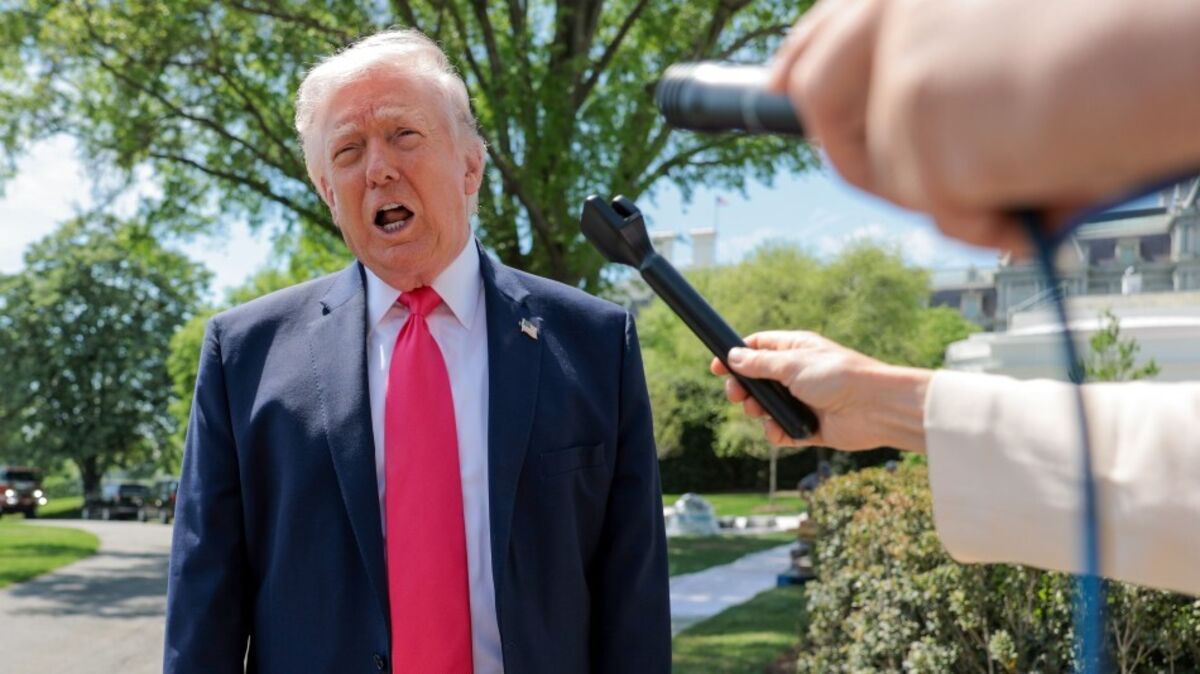
Washington, D.C. – In a surprise announcement that could reshape Middle Eastern geopolitics, U.S. President Donald Trump revealed that Israel and Lebanon may enter direct negotiations within days to resolve a long-standing maritime border dispute. The unexpected development, confirmed during a White House press briefing, signals a potential diplomatic breakthrough after years of deadlock between the two technically warring nations.
Speaking to reporters on Tuesday, Trump described the talks as “very productive” and suggested a deal could be finalized swiftly. “We’re looking at something that could happen over the next week or two,” the president stated, though he offered no further specifics. The negotiations, mediated by U.S. officials, aim to settle competing claims over offshore gas reserves in the eastern Mediterranean—a region brimming with untapped energy resources that could transform local economies.
A Dispute Decades in the Making
The conflict centers on a 330-square-mile stretch of the Mediterranean Sea, where both Israel and Lebanon claim exclusive rights to explore and drill for natural gas. The contested area includes parts of the Karish and Qana gas fields, with estimates suggesting billions of dollars in potential revenue. Lebanon, mired in its worst economic crisis in modern history, views these resources as critical to recovery, while Israel seeks to solidify its position as a regional energy exporter.
Tensions have simmered since 2011, when Lebanon rejected a U.S.-brokered maritime boundary proposal. The lack of formal diplomatic relations—Israel and Lebanon remain in a state of war—has complicated mediation efforts. Previous rounds of indirect talks collapsed in 2020, but renewed U.S. engagement under Trump’s administration appears to have revived hopes for compromise.
Why Now? Geopolitical and Economic Pressures Mount
Analysts point to converging factors driving the sudden momentum:
-
Lebanon’s Desperation: With its currency in freefall and fuel shortages crippling daily life, Beirut faces unprecedented pressure to unlock revenue streams. A gas deal could provide a lifeline to its collapsing economy.
-
Israel’s Strategic Calculus: Prime Minister Benjamin Netanyahu, eyeing reelection, may see a swift resolution as a foreign policy win. Israel already exports gas to Egypt and Jordan; adding Lebanon to its energy network could bolster regional stability.
-
U.S. Mediation: The Trump administration, keen to cement its legacy in Middle East diplomacy after brokering the Abraham Accords, has prioritized backchannel talks. Special envoy Amos Hochstein has reportedly shuttled between Beirut and Jerusalem for months.
Challenges Ahead: Trust Deficits and Domestic Opposition
Despite optimism from Washington, significant hurdles remain. Hardliners in Lebanon, including Hezbollah, have historically opposed any normalization with Israel. Meanwhile, Israeli officials insist on guarantees that gas revenues won’t flow to militant groups.
“The devil is in the details,” cautioned Aaron David Miller, a former U.S. Middle East negotiator. “A maritime deal is easier than land borders, but without addressing underlying hostilities, it risks being a temporary fix.”
Global Implications: Energy Markets and Regional Rivalries
A resolution could reverberate beyond the Levant. Europe, scrambling to diversify energy sources amid the Ukraine war, is closely watching the Mediterranean’s gas potential. Turkey, which has its own disputes with Greece and Cyprus over drilling rights, may also react to shifting alliances.
For now, all eyes are on Washington. If talks proceed as Trump hinted, they would mark the first formal negotiations between Israel and Lebanon in over a decade—a tentative step toward detente in one of the world’s most volatile regions.
As one diplomat involved in the process noted, “In the Middle East, even small waves can turn into tides.” Whether this latest effort sinks or swims may depend on what happens in the coming days.
