


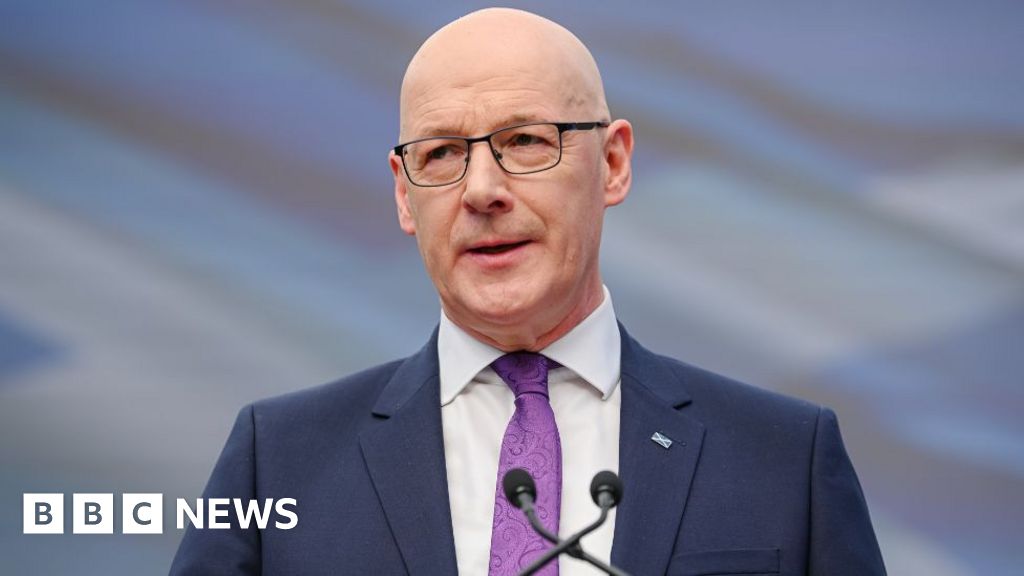

First Minister Defends Price Cap Plan for Essential Goods Amid Economic Pressure
The First Minister has staunchly defended his party’s proposal to impose price limits on essential goods, calling it a necessary intervention to shield struggling households from soaring living costs. The controversial plan, which targets items like food staples, hygiene products, and baby supplies, has sparked fierce debate among economists, retailers, and opposition leaders.
Speaking at a press conference in Edinburgh, the First Minister argued that without government action, inflation and corporate pricing strategies would continue to squeeze low- and middle-income families. “No one should have to choose between feeding their children and paying their bills,” he said. “This policy is about fairness in an economy that has left too many behind.”
The Proposal and Its Critics
The proposed legislation would empower regulators to set maximum prices for designated essential items, though specifics on enforcement and product categories remain under discussion. Supporters say the measure mirrors policies in other European nations, where similar caps have provided short-term relief during economic crises.
However, business leaders warn that artificial price controls could backfire, leading to shortages, reduced product quality, or even higher prices elsewhere. The British Retail Consortium (BRC) issued a statement cautioning that “market interventions often have unintended consequences,” including potential supply chain disruptions.
Opposition parties have also seized on the plan, with the Conservative leader accusing the government of “economic illiteracy” and suggesting that tax cuts or targeted subsidies would be more effective. Meanwhile, consumer advocacy groups have applauded the move, citing record-high inflation and stagnant wages as justification for bold action.
Why This Matters
The debate comes amid persistent economic strain across the UK, where food inflation remains stubbornly high despite recent declines in energy costs. Data from the Office for National Statistics (ONS) shows that food prices have risen by nearly 25% since 2021, disproportionately affecting the poorest households.
Experts note that while price caps are rare in free-market economies, they have been deployed during emergencies—such as wartime or pandemics—to prevent profiteering. The First Minister’s push signals a growing political willingness to challenge traditional market principles in favor of direct consumer protection.
Broader Implications
If enacted, the policy could set a precedent for further government intervention in pricing, reshaping the relationship between regulators and businesses. Some analysts suggest it may also embolden calls for wage controls or rent freezes, particularly if inflation persists.
For now, the proposal faces significant legislative hurdles, including scrutiny from parliamentary committees and potential legal challenges. The coming weeks will test whether the government can rally enough support to turn the plan into law—or if opposition forces will derail it entirely.
As the debate unfolds, one thing is clear: the fight over affordability and corporate power is far from over. The outcome could redefine economic policy for years to come.
