


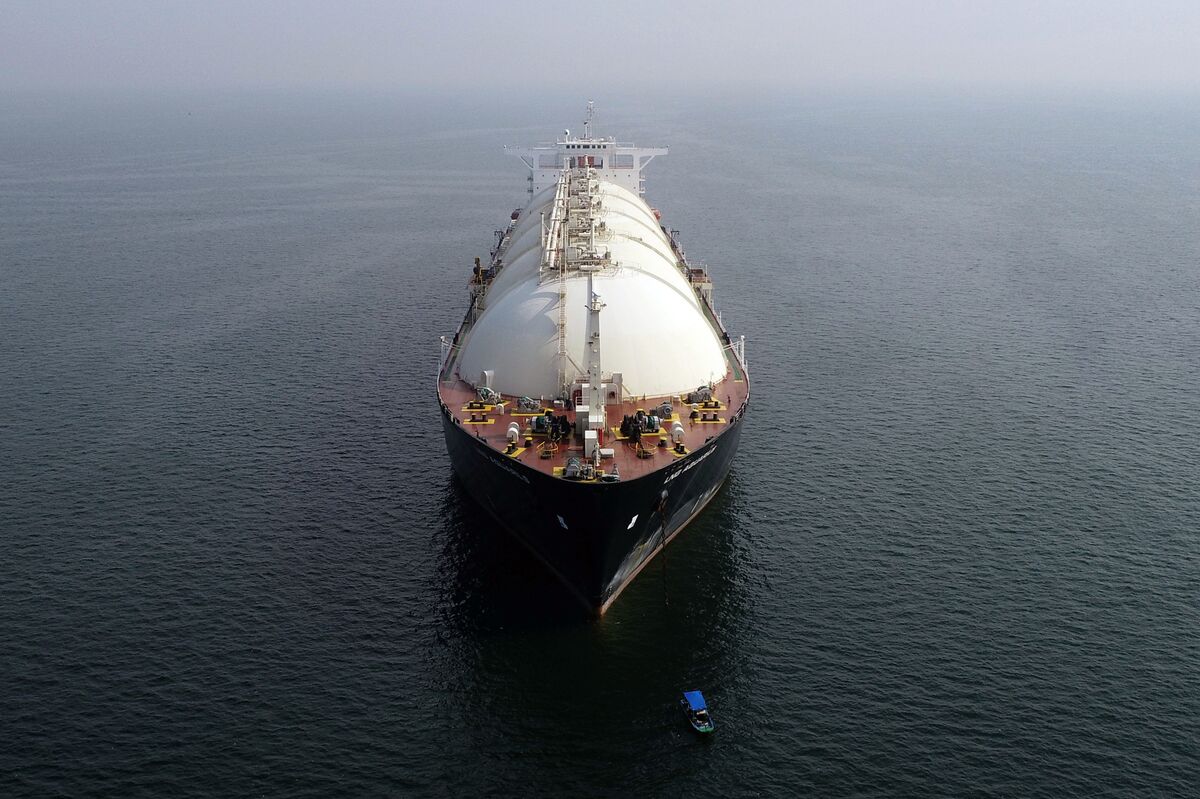

Emerging Economies Seek Alternatives to Russian Fuel Amid Supply Uncertainty
Global Market Shifts Highlight Vulnerabilities and Opportunities
In the wake of escalating geopolitical tensions and lingering uncertainties surrounding energy supplies, emerging economies are increasingly exploring alternatives to Russian fuel. This pivot reflects a broader global realignment in energy markets, as nations grapple with the risks of unreliable delivery schedules and volatile prices. The shift underscores the growing determination of developing nations to secure stable energy sources, even as the world contends with the complex interplay of geopolitics, economics, and climate goals.
Russia, historically a major supplier of oil and gas to global markets, has seen its energy exports scrutinized and restricted following its invasion of Ukraine in 2022. Western nations imposed sanctions, and many European countries accelerated their transition away from Russian energy. However, emerging economies, particularly in Asia, Africa, and Latin America, continued to rely on Russian fuel due to its affordability and availability. Now, that dynamic is changing, as concerns over supply disruptions and price instability prompt these nations to seek more reliable partners and diversify their energy matrices.
The Drivers of Change
The global energy landscape has been fraught with uncertainty since the onset of the Ukraine conflict. Sanctions on Russia, coupled with the disruption of traditional supply routes, have created a patchwork of challenges for energy-importing nations. Emerging economies, many of which lack the financial reserves or infrastructure to absorb sudden price spikes, have been particularly vulnerable. Reports of delayed deliveries and unpredictable pricing have further eroded confidence in Russian fuel as a dependable source.
“Emerging markets are realizing that over-reliance on any single energy supplier poses significant risks,” said Dr. Elena Rodriguez, an energy economist at the University of London. “The lessons from Europe’s rapid diversification away from Russian gas are being applied in other regions, albeit under different economic constraints.”
Additionally, the global push toward renewable energy and decarbonization has added another layer of complexity. While many emerging economies remain heavily reliant on fossil fuels, the transition to cleaner energy sources is gaining momentum. This shift is not just driven by environmental concerns but also by the desire to reduce dependency on imported fuels and enhance energy security.
Exploring Alternatives
In response to these challenges, emerging economies are adopting a multifaceted approach to secure their energy futures. Some nations are turning to alternative suppliers, such as the Middle East, the United States, and Australia, for oil and liquefied natural gas (LNG). Others are accelerating investments in renewable energy projects, including solar, wind, and hydropower.
India, for instance, has significantly increased its imports of discounted Russian oil since the war began but is simultaneously ramping up investments in renewable energy infrastructure. The country aims to meet 50% of its energy needs from non-fossil fuel sources by 2030. Similarly, Brazil has leveraged its vast natural resources to expand its biofuel production, reducing its reliance on imported crude oil.
In Africa, countries like Nigeria and Kenya are exploring partnerships with international investors to develop solar and wind projects. These initiatives not only address energy security but also align with global climate change mitigation efforts.
“Emerging economies are increasingly viewing renewable energy as a win-win solution,” said Aditi Joshi, a senior analyst at the International Renewable Energy Agency (IRENA). “It reduces their dependency on volatile fuel markets while contributing to their climate commitments.”
The Role of Multilateral Initiatives
Multilateral initiatives are playing a crucial role in supporting this transition. The International Energy Agency (IEA) and organizations like the World Bank have launched programs to finance renewable energy projects in developing countries. These efforts aim to bridge the funding gap that often hinders the adoption of cleaner technologies in low- and middle-income nations.
For example, the IEA’s Clean Energy Transition Programme provides technical assistance and capacity-building support to help countries integrate renewables into their energy systems. Such initiatives are critical for countries lacking the technical expertise or financial resources to undertake large-scale energy transitions independently.
Challenges and Risks
Despite the growing momentum, the shift away from Russian fuel is not without its challenges. Many emerging economies still face significant infrastructure deficits, making it difficult to integrate new energy sources seamlessly. Additionally, the upfront costs of renewable energy projects can be prohibitive, particularly for nations grappling with debt and currency fluctuations.
Furthermore, the global energy market remains highly interconnected, and disruptions in one region can have ripple effects worldwide. The recent surge in LNG prices, driven by heightened demand from Europe and Asia, has underscored the volatility of global energy markets.
“The transition to cleaner energy sources is essential, but it must be managed carefully to avoid exacerbating existing inequalities,” warned Dr. Rodriguez. “Emerging economies need tailored solutions that account for their unique economic and social contexts.”
Implications for Global Energy Markets
The diversification away from Russian fuel by emerging economies is reshaping global energy dynamics. As these nations seek alternative suppliers and invest in renewables, traditional energy exporters face new competition and shifting demand patterns. Meanwhile, the growing emphasis on energy security is accelerating the global transition to cleaner energy sources.
For Russia, the loss of key markets in emerging economies adds to the economic pressures imposed by Western sanctions. While Moscow has sought to redirect its energy exports to Asia and other regions, the long-term viability of this strategy remains uncertain.
“The global energy landscape is undergoing a profound transformation,” said Joshi. “Emerging economies are no longer passive recipients of energy policies; they are actively shaping the future of energy.”
A Balanced Path Forward
The pivot away from Russian fuel by emerging economies highlights the complex interplay between energy security, economic stability, and environmental sustainability. While the transition presents challenges, it also offers opportunities for innovation and collaboration.
As nations navigate this evolving landscape, the need for a balanced approach—one that addresses immediate energy needs while advancing long-term sustainability goals—has never been more apparent. The choices made today will not only determine the energy future of emerging economies but will also influence the trajectory of global energy markets for decades to come.
In a world grappling with uncertainty, one thing is clear: the path to energy security lies in diversification, innovation, and cooperation.
