


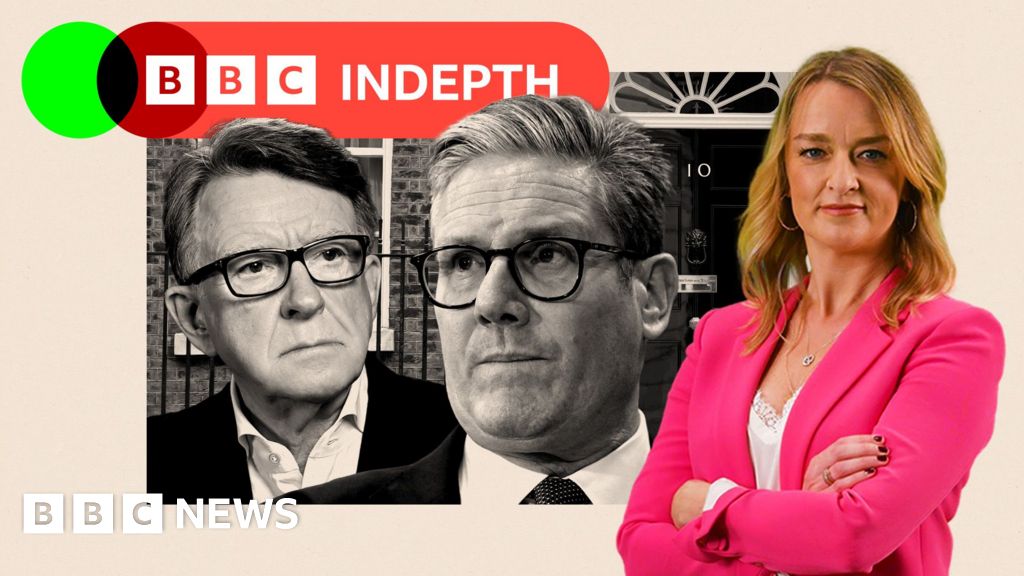

Labour Faces Growing Scandal Over Decision to Send Peter Mandelson to Washington
LONDON — The British Labour Party finds itself embroiled in yet another controversy as the decision to dispatch former Cabinet minister Peter Mandelson to Washington escalates into a political scandal with no end in sight. The move, initially intended to bolster diplomatic and strategic ties with the United States, has instead sparked intense scrutiny and criticism from within Labour’s ranks and beyond, raising questions about transparency, accountability, and the party’s broader leadership.
Mandelson, a prominent figure in British politics and a close ally of former Prime Minister Tony Blair, was recently appointed to represent Labour’s interests in Washington, D.C. The decision, however, has drawn ire from party members who argue that the appointment was made without adequate consultation or justification. Critics have labeled it as emblematic of a broader issue within Labour: a lack of inclusivity and a tendency toward top-down decision-making that alienates grassroots supporters.
A Controversial Appointment
The controversy centers on the perception that Mandelson’s role in Washington was awarded based on personal connections rather than merit or the needs of the party. Known as the architect of New Labour, Mandelson has long been a polarizing figure within the party. His tenure as a Cabinet minister and European Commissioner has been marked by both significant achievements and high-profile scandals, including his resignation from government positions on two occasions.
While supporters argue that Mandelson’s experience and international reputation make him a natural choice for a diplomatic role, detractors contend that his appointment undermines Labour’s commitment to a new generation of leadership and its efforts to distance itself from the Blair era. The decision has also raised eyebrows among political analysts, who note that Labour has struggled in recent years to articulate a clear vision for its future.
Internal Backlash and Public Scrutiny
Within Labour, the backlash has been swift and vocal. Several MPs and grassroots activists have openly criticized the decision, accusing party leadership of bypassing internal democratic processes. “This isn’t about Peter Mandelson’s abilities,” said one Labour MP, speaking on condition of anonymity. “It’s about the lack of consultation and transparency. The rank-and-file members deserve a say in such a significant appointment.”
The controversy has also reignited tensions between Labour’s centrist and left-wing factions. Many on the party’s left view Mandelson as a symbol of the neoliberal policies and centrist politics that dominated the Blair years, which they believe contributed to Labour’s loss of support among traditional working-class voters.
Publicly, the scandal has become a lightning rod for broader dissatisfaction with Labour’s current trajectory. Polls show the party struggling to close the gap with the ruling Conservative Party, and this latest episode has only added to perceptions of disorganization and internal discord.
Why It Matters
The Mandelson affair underscores deeper challenges facing Labour as it seeks to rebuild its image and regain electoral momentum. With a general election potentially on the horizon, the party’s ability to present itself as a united and credible alternative to the Conservatives is crucial.
Moreover, the scandal highlights the delicate balance Labour must strike between honoring its past and embracing its future. While figures like Mandelson bring valuable experience and connections, their presence can also alienate younger voters and activists who feel disconnected from the party’s legacy.
The controversy also has implications for Labour’s relationship with the United States. As the UK navigates its post-Brexit role on the global stage, maintaining strong ties with Washington is a priority. However, the debate over Mandelson’s appointment risks overshadowing the broader objectives of his mission and raising questions about Labour’s foreign policy priorities.
Looking Ahead
As Labour grapples with the fallout, the focus will likely shift to how party leadership addresses the controversy. Calls for greater transparency and internal democracy are expected to grow louder, particularly from grassroots members who feel increasingly marginalized.
The scandal also serves as a reminder of the challenges Labour faces in reconciling its diverse factions and presenting a coherent vision to the electorate. With public trust in politics already fragile, the party cannot afford prolonged infighting or the perception of cronyism.
In the coming weeks, all eyes will be on Labour’s response. Will the party take steps to address the concerns raised by Mandelson’s appointment, or will the controversy deepen existing divisions? As one political commentator noted, “This isn’t just about one man or one decision. It’s about whether Labour can move forward—or if it’s stuck in the past.”
For Labour, the stakes could not be higher. How it navigates this scandal will not only shape its immediate future but also determine its ability to reclaim the trust of voters and position itself as a credible force in British politics.
