



Iran Accuses US of Blockade, Claims Breach of Ceasefire Agreement
In a dramatic escalation of tensions in the Middle East, Iran has accused the United States of imposing a blockade that it claims violates the terms of a previously brokered ceasefire between the two nations. The allegation, made in a fiery statement by Iranian officials, underscores the fragility of diplomatic efforts in the region and raises fears of renewed hostilities. As Tehran points fingers at Washington, the international community watches nervously, wary of the potential ripple effects on global security and energy markets. This latest dispute comes at a time of heightened geopolitical uncertainty, with the Middle East already grappling with conflicts in Yemen, Syria, and Lebanon, as well as ongoing concerns over Iran’s nuclear program.
The Allegations and Their Roots
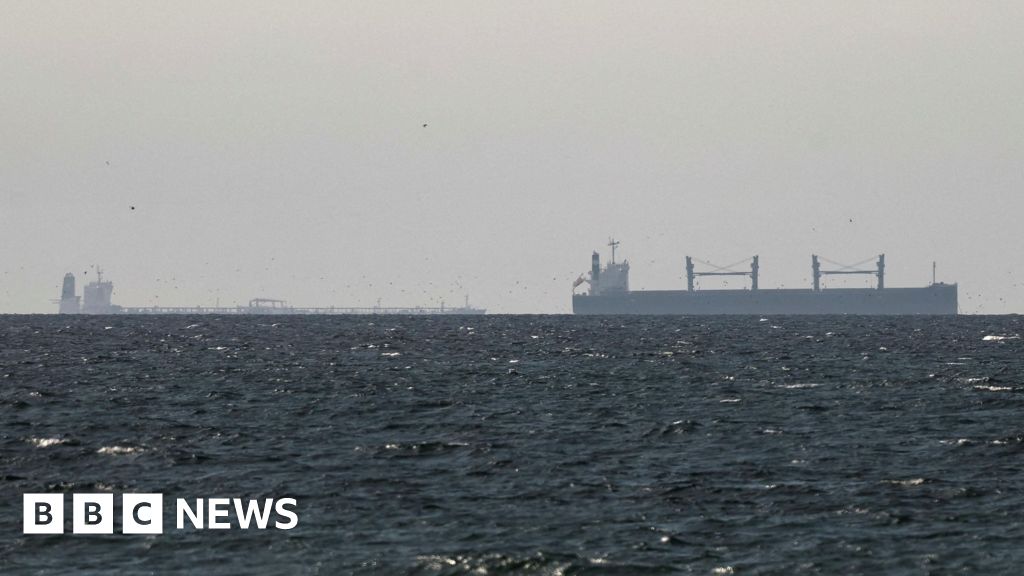
Iran’s Foreign Ministry issued a statement late Wednesday, accusing the US of effectively enforcing a maritime blockade that has restricted Iran’s ability to trade and access vital resources. According to Tehran, this action contravenes the spirit of the ceasefire agreement reached earlier this year, which aimed to de-escalate military tensions and foster diplomatic dialogue. While specific details of the alleged blockade remain unclear, Iranian representatives have suggested that US naval forces have been obstructing the passage of Iranian vessels in key waterways, including the Persian Gulf and the Strait of Hormuz.
The Strait of Hormuz, a narrow but strategically critical chokepoint, is a lifeline for global oil shipments, with approximately 20% of the world’s oil supply passing through it daily. Any disruption in this region has immediate implications for international energy markets, potentially driving up oil prices and destabilizing economies already grappling with inflation and supply chain challenges. Iran’s accusations against the US, if proven true, could signal a dangerous escalation in a region already plagued by mistrust and proxy conflicts.
Global Context: A Fragile Ceasefire Under Strain
The ceasefire agreement between Iran and the US, brokered earlier this year with the help of international mediators, was hailed as a tentative step toward reducing tensions in the Middle East. However, the deal has been under strain almost since its inception, with both sides accusing each other of failing to uphold their commitments. Iran has repeatedly criticized the US for maintaining economic sanctions and military pressure, while Washington has expressed concerns over Tehran’s continued support for militant groups and its nuclear ambitions.
This latest accusation of a maritime blockade adds a new layer of complexity to an already fraught relationship. The US has not yet issued an official response to Iran’s claims, but analysts suggest that Washington may view such actions as necessary to counter perceived Iranian aggression in the region. Historically, the US has justified its military presence in the Persian Gulf as a means of ensuring the free flow of oil and protecting its allies, including Saudi Arabia and Israel.
Why This Matters: Global Implications
The escalation of tensions between Iran and the US carries significant implications far beyond the Middle East. At stake is not only the stability of a volatile region but also the health of the global economy and the integrity of international diplomatic frameworks. A breakdown of the ceasefire could lead to renewed military confrontations, with the potential to disrupt global energy supplies and trigger a new wave of geopolitical instability.
Moreover, the situation complicates efforts to revive the Joint Comprehensive Plan of Action (JCPOA), commonly known as the Iran nuclear deal. Negotiations between Iran and world powers, including the US, have been stalled for months, and this latest dispute could further erode trust between the parties. The failure to reach a new agreement would leave the international community grappling with the challenge of preventing Iran from developing nuclear weapons capability, a scenario that could trigger a regional arms race and undermine global non-proliferation efforts.
The Human Cost: A Region on Edge
Beyond the geopolitical and economic implications, the escalating tensions between Iran and the US have profound humanitarian consequences. The Middle East has endured decades of conflict, with millions of people displaced and countless lives lost. Any renewal of hostilities between Iran and the US risks exacerbating this suffering, particularly in countries like Yemen and Syria, where proxy wars have already devastated civilian populations.
The Strait of Hormuz itself has been a flashpoint for conflict in recent years, with incidents such as the seizure of oil tankers and attacks on commercial ships heightening fears of a broader conflagration. For the sailors, fishermen, and communities who depend on these waters for their livelihoods, the prospect of renewed violence is deeply distressing.
Looking Ahead: Diplomacy at a Crossroads
As Iran and the US trade accusations, the international community faces a critical juncture. The path forward will require careful diplomacy, a renewed commitment to dialogue, and a willingness to address the underlying grievances driving the conflict. The stakes could not be higher: failure to de-escalate tensions risks plunging the Middle East into another cycle of violence, with repercussions that would be felt around the world.
For now, the world watches and waits, hoping that cooler heads will prevail. But as history has shown, the Middle East is a region where peace can be as fleeting as a desert mirage. The challenge for policymakers and leaders is to ensure that this latest dispute does not become the spark that ignites a wider war. The alternative—a path to stability and cooperation—remains possible, but only if the lessons of the past are heeded and the voices of reason are heard.
In the end, the fate of the ceasefire—and the broader trajectory of US-Iran relations—will hinge on the choices made in the coming days and weeks. For the sake of global security and the millions of people affected by this conflict, those choices must be made with care, courage, and a commitment to peace.
