



Rising Tensions in the Middle East Threaten Global Maritime Trade as Iran and Israel Escalate Conflict
In a week marked by heightened geopolitical tensions, the Middle East faces renewed instability as Iran reimposed restrictions on vessel traffic through the strategically vital Strait of Hormuz, while Israel launched targeted strikes in Lebanon. These developments have cast a shadow over hopes for a diplomatic breakthrough in the region, particularly after U.S. President Donald Trump touted progress toward a potential peace deal just days earlier. The escalating hostilities have raised concerns about the implications for global trade, energy security, and regional stability, underscoring the fragile nature of peace efforts in one of the world’s most volatile regions.
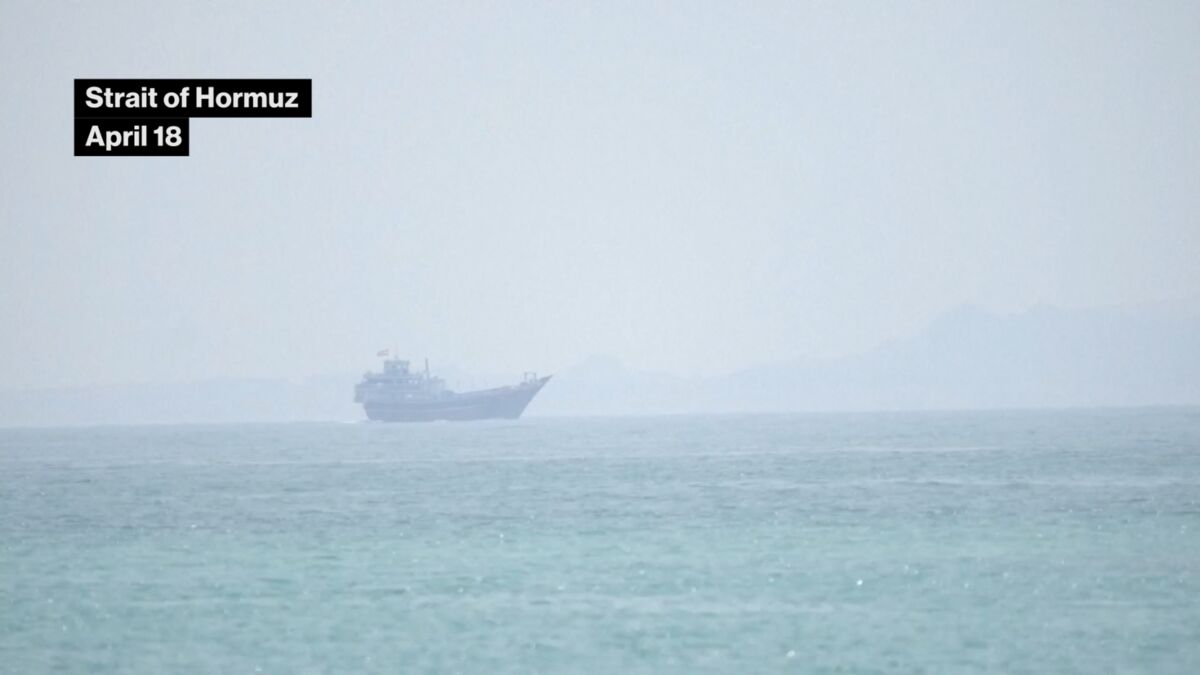
The Strait of Hormuz, often described as the world’s most critical maritime chokepoint, serves as a lifeline for global energy supplies. Approximately one-fifth of the world’s oil passes through this narrow waterway, making it a focal point for geopolitical maneuvering. Iran’s recent decision to restrict vessel traffic in the strait is seen as a direct response to escalating tensions with the United States and its allies. While Tehran has not provided detailed reasons for the move, analysts suggest it may be a warning signal amid ongoing disputes over economic sanctions and nuclear negotiations.
“Iran’s actions in the Strait of Hormuz are a reminder of its leverage over global energy markets,” said Arsenio Dominguez, Secretary General of the International Maritime Organization (IMO), in a recent interview with Bloomberg. “Any disruption to shipping in this region has immediate ripple effects on international trade, energy prices, and global economic stability.” Dominguez emphasized the need for diplomatic solutions to avoid further escalation, warning that prolonged restrictions could exacerbate ongoing supply chain challenges in the post-pandemic era.
The timing of these developments is particularly significant, coming just as U.S. President Donald Trump announced progress toward a potential peace deal in the Middle East. In a statement on Saturday morning, Trump expressed optimism about brokering an agreement that could pave the way for broader regional stability. However, the recent actions by Iran and Israel have undermined these hopes, highlighting the complex web of rivalries and alliances that continue to define Middle Eastern geopolitics.
Israel’s targeted strikes in Lebanon, reportedly aimed at Hezbollah positions, further complicate the situation. The strikes represent a significant escalation in the ongoing proxy conflict between Israel and Iran, which has played out across multiple fronts in the region. Hezbollah, a Shiite militant group backed by Tehran, has long been a thorn in Israel’s side, and the recent attacks suggest that tensions along the Israel-Lebanon border are reaching a boiling point.
“Israel’s actions reflect its determination to counter Iranian influence in the region,” said regional security analyst Dr. Leila Farsakh. “However, these strikes risk provoking retaliation from Hezbollah or even direct conflict with Iran, which could spiral out of control.”
The interplay between these events underscores the interconnected nature of conflicts in the Middle East, where local disputes often carry broader regional and global implications. The Strait of Hormuz, in particular, has been a flashpoint for decades. In 2019, tensions soared after Iran seized a British-flagged tanker in retaliation for the UK’s detention of an Iranian oil vessel. Similar incidents have occurred periodically, reflecting Tehran’s willingness to use its control over the strait as a bargaining chip in international negotiations.
For global markets, the timing of these developments could not be worse. The world economy is still grappling with the aftershocks of the COVID-19 pandemic, rising inflation, and supply chain disruptions. Any disruption to the flow of oil through the Strait of Hormuz would likely send shockwaves through energy markets, driving up prices and exacerbating inflationary pressures.
“The Middle East remains a tinderbox, and any misstep could have far-reaching consequences,” said energy economist Dr. James Henderson. “The global economy is in a fragile state, and a major conflict in the region could push it over the edge.”
Efforts to de-escalate the situation are underway, with international organizations and diplomatic channels working to prevent further hostilities. The United Nations has called for restraint from all parties, while the European Union has offered to mediate talks between Iran and the United States. However, the path to peace remains fraught with challenges, as deep-seated mistrust and competing interests continue to hinder progress.
In the meantime, businesses and governments worldwide are bracing for potential disruptions. Shipping companies are reportedly rerouting vessels to avoid the Strait of Hormuz, while energy importers are exploring alternative sources of supply. These precautions, while necessary, come at a cost, further straining already stretched resources.
As the situation unfolds, the international community is left to grapple with a difficult question: Can diplomacy prevail in the face of escalating tensions, or is the region headed toward another devastating conflict? For now, the answer remains uncertain, with the stakes higher than ever for global peace and stability.
In the words of Arsenio Dominguez, “The world cannot afford a major conflict in the Middle East. The consequences would be felt far beyond the region, impacting every corner of the globe.”
Against this backdrop, the coming days will be critical in determining whether the Middle East can step back from the brink or descend into further turmoil. As diplomats and leaders work to navigate this precarious landscape, the world watches with cautious hope and growing concern.
