


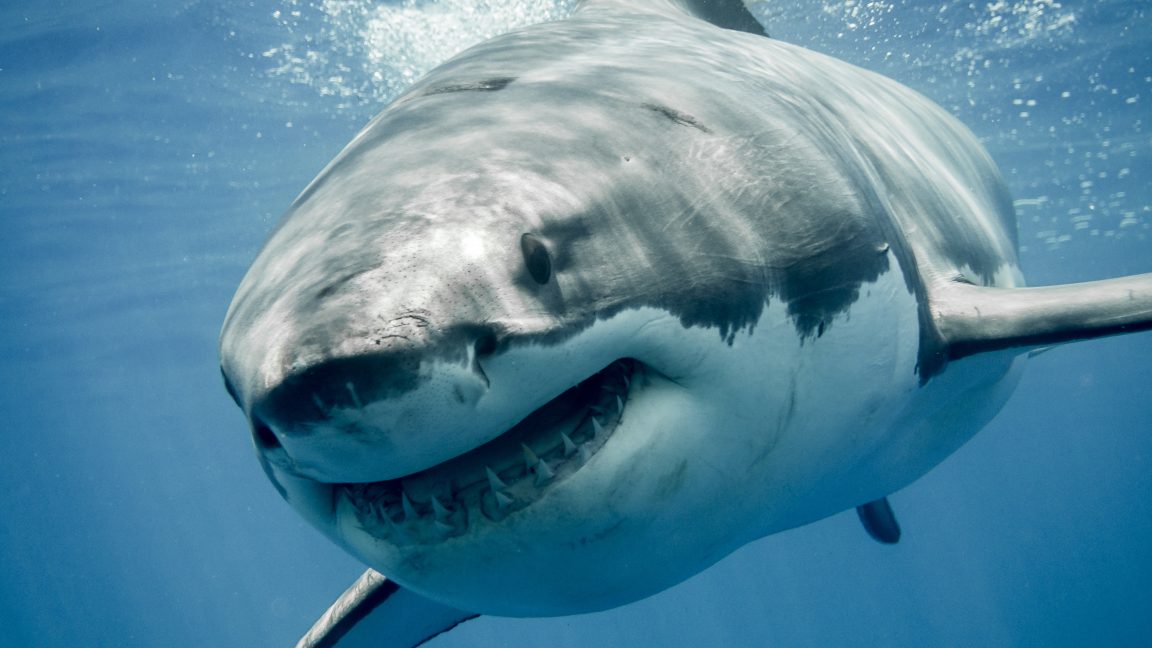

Climate Change Pushes Great White Sharks to Their Physiological Limits, Threatening Marine Ecosystems
By [Your Name]
June 2024
A Looming Crisis for Ocean Predators
The great white shark—long feared as the ocean’s apex predator—is now facing an existential threat from an unexpected source: rising sea temperatures. New research reveals that these mesothermic (warm-bodied) sharks, along with other large marine predators, are being pushed dangerously close to their physiological limits as climate change accelerates ocean warming. The consequences could ripple through entire marine ecosystems, destabilizing food chains and altering coastal economies built on shark tourism.
Published by a team of international scientists, the study warns that warming waters may force great whites and similar species into smaller, cooler habitats, disrupting their hunting patterns and reproductive cycles. The findings highlight a growing crisis for marine life already strained by overfishing, habitat destruction, and pollution.
The Hidden Heat Budgets of Ocean Giants
Using advanced bio-logging technology, researchers attached tiny sensors to large marine predators, including basking sharks and great whites, to measure their heat production and loss in real time. The results were alarming: A one-ton shark, for instance, may struggle to survive in waters exceeding 62.6°F (17°C) without expending unsustainable amounts of energy to regulate its body temperature.
“These species are being pushed closer to their physiological limits, which could have consequences for where they can live and how they survive,” said Dr. Edward Snelling, a physiologist at the University of Pretoria and co-author of the study. “They operate on a tight energy budget, and climate change is narrowing their options even further.”
The concept of “hidden heat budgets”—the delicate balance between energy expenditure and environmental conditions—could prove critical in conservation efforts. If sharks are forced into smaller thermal refuges, their ability to hunt, migrate, and reproduce could be severely compromised.
South Africa’s Vanishing Sentinels
Nowhere is the decline more visible than in South Africa, where great whites have long been both ecological keystones and cultural icons. Once abundant in hotspots like False Bay, Mossel Bay, and Gansbaai, their numbers have plummeted in recent years. While warming waters play a role, the crisis is multifaceted.
“Great whites are sentinel species—when their patterns shift, it signals deeper ecological changes,” explained marine conservationist Stephanie Nicolaides of the University of the Western Cape. “They’re no longer just feared predators; they’re symbols of marine health and eco-tourism.”
Yet their decline is accelerating. Overfishing, shark netting, and habitat destruction have decimated populations, while bycatch—the accidental capture of non-target species in fishing gear—remains a leading cause of death.
“If we had to identify the most urgent threat, it’s overfishing,” said Dr. Nicholas Payne, a marine biologist involved in the study. “Bycatch is devastating. These sharks are being caught in huge nets or on longlines with thousands of hooks, and many don’t survive.”
A Grim Historical Precedent
The plight of modern mesotherms mirrors that of ancient marine giants. Fossil records suggest that warm-bodied species like the Megalodon—a prehistoric shark reaching up to 60 feet in length—were particularly vulnerable to past ocean warming events. Unable to adapt to rising temperatures and dwindling food supplies, they vanished from the fossil record.
“History shows us that large, warm-bodied predators are often the first to suffer when oceans change,” said Payne. “Today’s warming is happening at unprecedented speeds. The alarm bells are ringing loudly.”
Conservation at a Crossroads
The study underscores the need for urgent action. Protecting critical habitats, enforcing stricter fishing regulations, and reducing greenhouse gas emissions are all essential steps. Some experts advocate for expanding marine protected areas (MPAs) to give sharks safe havens from fishing pressures.
Yet the challenge is immense. As ocean temperatures continue to rise, even the most resilient species may struggle to adapt. The disappearance of great whites would not only disrupt marine ecosystems but also erase a cultural icon—one that has shifted from villain to vital guardian of ocean health.
For now, researchers urge policymakers and the public to recognize the broader implications of losing these apex predators. “They’re more than just sharks,” said Nicolaides. “They’re barometers of the ocean’s future.”
As the seas warm and pressures mount, the fate of the great white shark may well foreshadow the fate of the oceans themselves.
This report is based on research published in collaboration with Inside Climate News. For further updates on climate and marine science, subscribe to their newsletter here.
