


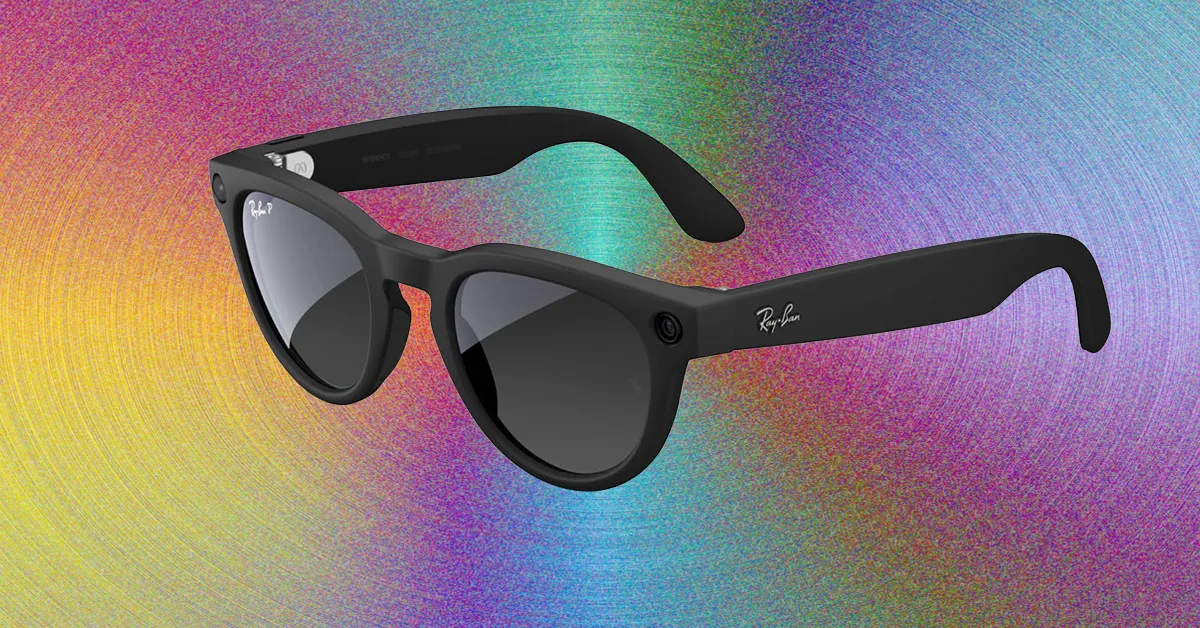

Meta’s AI-Powered Smart Glasses: A Global Phenomenon Redefining Wearable Tech
The Rise of Meta’s Smart Glasses
In an era where wearable technology is rapidly evolving, Meta’s AI-enabled smart glasses have emerged as an unexpected success story. Since their debut, these sleek, Ray-Ban-branded devices have transcended their niche beginnings to become a mainstream phenomenon, selling over 7 million units in 2025 alone. Whether spotted at music festivals, sporting events, or city streets, they are no longer just a tech enthusiast’s curiosity—they are a cultural staple.
But what makes these glasses so compelling? For many, it’s the seamless convergence of sunglasses, headphones, and a camera into a single, stylish device. For others, it’s the promise of AI-assisted convenience—though not without raising eyebrows over privacy concerns. As competitors like Apple and Google scramble to enter the market, Meta’s partnership with EssilorLuxottica (the parent company of Ray-Ban and Oakley) has set a high bar for what smart eyewear can—and perhaps should—be.
Why Smart Glasses? The Appeal of Multifunctionality
The core appeal of Meta’s smart glasses lies in their ability to reduce device clutter. Instead of juggling sunglasses, wireless earbuds, and a smartphone for quick photos, wearers can consolidate these functions into one accessory. The second-generation models, released in 2025, boast 12-megapixel cameras, improved battery life (up to eight hours), and AI-powered voice assistance—all packed into a design indistinguishable from classic Ray-Ban Wayfarers.
For tech journalist and longtime Wayfarer wearer Boone Ashworth, the convenience is undeniable. “I grab a pair of Meta glasses whenever I leave the house because I like being able to use one device instead of two or three on a walk,” he explains. “With these, I can wear sunglasses and workout headphones in one.”
Yet, the glasses are not without quirks. Early adopters have reported amusing—if occasionally frustrating—AI missteps, such as misidentifying plants or offering overly cheerful responses to mundane queries. Still, the trade-off between occasional glitches and everyday utility appears to be one millions are willing to make.
Market Dominance and the Competitive Landscape
Meta’s success has not gone unnoticed. Following the underwhelming reception of Apple’s Vision Pro—a high-end, augmented reality headset that struggled with bulkiness and a steep price tag—Apple has reportedly shifted its strategy toward simpler, display-less smart glasses. Meanwhile, Google, which previously stumbled with its Google Glass experiment, is rumored to be developing a more consumer-friendly alternative.
But Meta’s first-mover advantage—bolstered by its partnership with EssilorLuxottica—has given it a formidable lead. The collaboration ensures that Meta’s glasses are not just functional but fashionable, a crucial factor in mass adoption. Unlike earlier smart glasses that prioritized tech over aesthetics, Meta’s models look like ordinary sunglasses, making them far more socially acceptable.
Privacy Concerns: The Elephant in the Room
Despite their popularity, Meta’s smart glasses have sparked significant privacy debates. Critics argue that the ability to discreetly record video or take photos raises ethical questions, particularly in public spaces. “People really do not like the idea that you could start recording them at any moment,” notes Ashworth.
Meta has attempted to address these concerns by disabling facial recognition and implementing a small LED indicator that activates when recording. However, given the company’s checkered history with data privacy, skepticism remains. In the EU, regulators have already scrutinized Meta’s data practices, with some policies deemed illegal under strict privacy laws.
For some users, the social stigma is just as concerning as the legal implications. The glasses have been jokingly (or derisively) dubbed “pervert glasses”—a nod to fears of covert surveillance. “When I pop these on my head, I’ve had friends recoil and say, ‘I have apps to warn me away from people like you,’” Ashworth admits.
The Future of Smart Glasses: Where Do We Go From Here?
As Meta continues to refine its technology—with rumors of third-generation glasses featuring augmented reality displays—the broader wearable tech industry is at a crossroads. Will smart glasses evolve into indispensable daily tools, or will privacy concerns and social resistance limit their appeal?
For now, Meta’s glasses remain the best-selling smart eyewear on the market, offering a compelling blend of style and functionality. Even if users ignore the AI features entirely, they still function as high-quality sunglasses, ensuring they won’t become obsolete when the battery dies.
As competitors enter the fray, one thing is clear: the race to perfect smart glasses is far from over. Whether Meta can maintain its lead—or whether a rival will redefine the category—remains to be seen. For now, these glasses are a fascinating case study in how technology, fashion, and societal norms intersect—for better or worse.
