



UK Prime Minister Defends Handling of Peter Mandelson’s Failed Vetting for US Ambassador Role
By [Your Name]
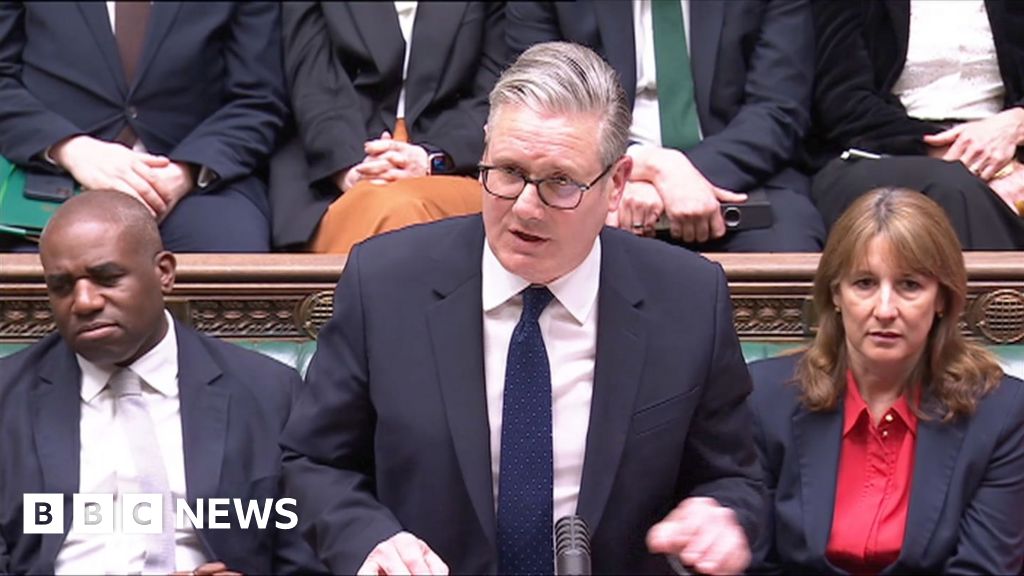
LONDON, UK — Prime Minister Sir Keir Starmer faced sharp scrutiny in the House of Commons on Wednesday after revelations that former Labour minister Peter Mandelson had been appointed as the UK’s ambassador to the United States despite failing security vetting. The controversy has sparked accusations of political interference and raised questions about transparency in high-level diplomatic appointments.
Starmer confirmed that officials made a “deliberate decision” not to inform him of Mandelson’s vetting failure before the appointment was finalized. The disclosure came after reports emerged that security assessors had raised concerns about Mandelson’s suitability for the sensitive role, only for the Foreign Office to override their recommendation.
Security Concerns Overruled
The vetting process, conducted by UK security agencies, reportedly flagged undisclosed issues that would typically disqualify a candidate from such a high-profile diplomatic position. However, the Foreign Office proceeded with Mandelson’s appointment, prompting backlash from opposition lawmakers and security experts.
Conservative Party leader Kemi Badenoch accused Starmer of evading responsibility, claiming he had “thrown his staff and officials under the bus” by distancing himself from the decision. “Either the Prime Minister was kept in the dark on a major security matter, or he’s refusing to take accountability,” Badenoch said during the heated Commons exchange.
Mandelson, a key architect of New Labour under Tony Blair and a two-time former cabinet minister, is no stranger to controversy. His political career has been marked by past resignations over scandals, including undeclared loans and lobbying allegations. Critics argue that his appointment—despite security warnings—risks undermining confidence in the UK’s diplomatic vetting process.
Why This Matters
The role of UK ambassador to the US is one of the most strategically important postings in British diplomacy, requiring close coordination on defense, trade, and intelligence matters. A failure in vetting could have serious implications for bilateral relations, particularly if security concerns later surface.
The incident also raises broader questions about political influence in civil service appointments. Opposition MPs have demanded an inquiry into whether Mandelson’s long-standing ties to Labour leadership played a role in the Foreign Office’s decision to disregard security advice.
Government’s Defense
Starmer defended his government’s handling of the matter, insisting that proper procedures were followed and that he had full confidence in Mandelson’s ability to serve. “Ministers rely on the advice of officials, and I was assured that all necessary checks had been completed,” he told MPs.
However, his explanation did little to quell criticism. Security analysts note that while ministers are not typically involved in vetting details, overriding security recommendations is highly unusual and could set a dangerous precedent.
What Happens Next?
The fallout is likely to intensify pressure on the Foreign Office to release more details about the vetting process. Some Conservative MPs are calling for a parliamentary review, while others suggest Mandelson’s appointment may need reassessment if further concerns emerge.
The controversy also places Starmer’s government under renewed scrutiny over transparency and accountability—a key pledge of his election campaign. If further irregularities surface, it could damage public trust in diplomatic appointments at a time when the UK seeks to strengthen its global standing post-Brexit.
For now, Mandelson remains in post, but the political storm shows no signs of abating. The coming weeks will test whether the government can weather the backlash—or if the affair will leave a lasting mark on Starmer’s leadership.
