


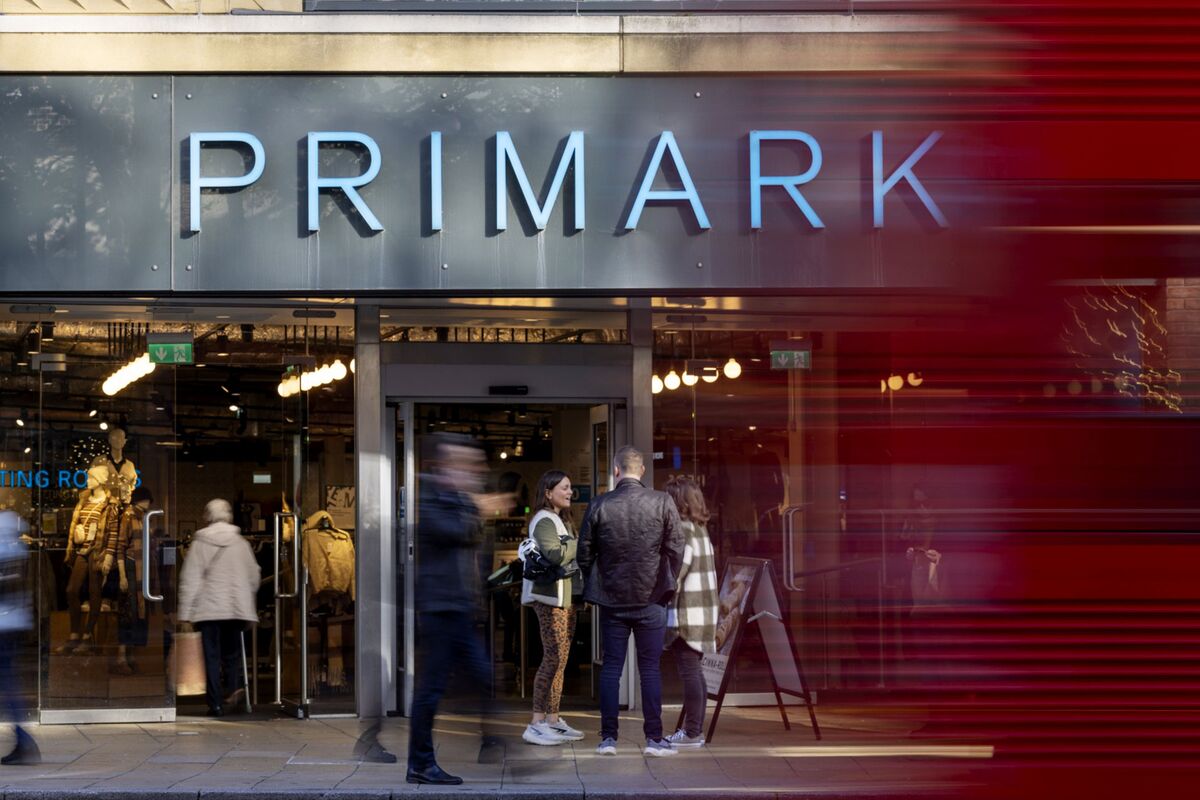

Primark to Break Away from Associated British Foods in Major Corporate Restructuring
In a landmark move that signals a significant shift in the corporate landscape of the UK, Associated British Foods Plc (ABF) has announced plans to separate its wildly popular budget apparel retailer, Primark, from the rest of its diversified business empire. The decision, unveiled on Tuesday, marks the breakup of one of Britain’s largest and most enduring conglomerates, a company that has long been synonymous with both food production and affordable fashion.
The restructuring is poised to reshape ABF’s identity, which has been a cornerstone of British industry for nearly a century. Primark, known for its ultra-low prices and rapid expansion across Europe and North America, has emerged as a standout performer in ABF’s portfolio. Its separation reflects the growing divergence between the high-performing retail arm and the company’s older, slower-growing food and ingredients divisions. Analysts say the move could unlock significant value for shareholders while allowing both entities to focus on their distinct strategic priorities.
A Legacy of Diversification
Founded in 1935, Associated British Foods has long been a symbol of British industrial prowess. Initially focused on flour milling and food production, the company diversified over the decades into a sprawling conglomerate with interests spanning sugar, agriculture, grocery brands, and retail. Its acquisition of Primark (originally Penneys) in 1969 was a pivotal moment, transforming the company into a retail powerhouse. Today, Primark operates over 430 stores across 16 countries, with a reputation for offering trendy clothing at rock-bottom prices.
However, the conglomerate model has increasingly come under scrutiny in recent years. Investors have pushed for simpler corporate structures, arguing that diversified businesses often trade at a discount compared to more focused peers. ABF’s decision to separate Primark underscores this trend, aligning with similar moves by other multinational conglomerates to streamline their operations.
Primark’s Meteoric Rise
Primark’s success story is a testament to the enduring appeal of fast fashion, even as the industry faces growing criticism over its environmental and ethical impact. The retailer has carved out a loyal customer base by offering affordable, on-trend clothing, often at prices significantly lower than competitors. Its “pile it high, sell it cheap” strategy has proven resilient, particularly in times of economic uncertainty.
The COVID-19 pandemic posed significant challenges for Primark, which relies heavily on in-store sales and has no e-commerce presence. Yet, the retailer bounced back strongly, driven by pent-up demand and its reputation for value. In its most recent financial year, Primark generated £9 billion ($11.2 billion) in sales, accounting for more than half of ABF’s total revenue.
Analysts argue that Primark’s separation could enable it to pursue a more aggressive growth strategy, potentially including an online sales platform—a move long resisted by the company’s leadership. Standing alone, Primark could also attract a broader investor base, particularly those focused on the retail sector.
Challenges Ahead
While the separation promises benefits, it also raises questions about the future of both entities. ABF’s food and ingredients businesses, which include brands like Twinings tea, Ovaltine, and Silver Spoon sugar, have faced headwinds in recent years. Rising commodity prices, inflationary pressures, and shifting consumer preferences have weighed on profitability, with some analysts questioning whether these divisions can thrive independently.
For Primark, the challenges are equally significant. The fast-fashion sector is increasingly under pressure to address sustainability concerns, with critics arguing that cheap clothing encourages overconsumption and contributes to environmental degradation. Primark has made efforts to improve its sustainability credentials, but the retailer remains a target for campaigners. Additionally, the lack of an e-commerce platform puts Primark at a disadvantage in an increasingly digital retail landscape, a gap it will need to address to remain competitive.
Strategic Implications
The separation is expected to take the form of a demerger, with ABF shareholders receiving shares in the newly independent Primark. This approach avoids imposing additional tax burdens while providing shareholders with flexibility to decide whether to retain their stakes in both companies.
The move has been broadly welcomed by analysts, who see it as a logical step for a company whose two main businesses have little strategic overlap. “This is about unlocking value,” said Richard Hyman, a retail analyst and consultant. “Primark and the food businesses are fundamentally different beasts. Separating them allows each to focus on what they do best without being weighed down by the other.”
The restructuring also highlights the evolving nature of corporate strategy. In an era of heightened shareholder activism, companies are increasingly prioritizing transparency and focus over diversification. ABF’s decision mirrors similar moves by other conglomerates, such as General Electric and Johnson & Johnson, which have also pursued breakups to streamline their operations.
Looking Ahead
The separation of Primark from Associated British Foods represents a new chapter for both entities, one that reflects the changing dynamics of global business. For ABF, it offers an opportunity to refocus on its core food and ingredients businesses, potentially reigniting growth in these sectors. For Primark, independence provides the freedom to innovate and expand in a rapidly evolving retail landscape.
The move also underscores the enduring allure of fast fashion, even as the industry grapples with mounting challenges. Primark’s success has been built on its ability to deliver value to cost-conscious consumers, a strategy that will be tested as it navigates the complexities of sustainability, digital transformation, and shifting consumer expectations.
As ABF prepares to embark on this historic transition, one thing is clear: the breakup of one of Britain’s most iconic conglomerates marks the end of an era and the beginning of a bold new experiment in corporate strategy. Only time will tell whether this bold move will pay dividends for shareholders, employees, and customers alike.
