


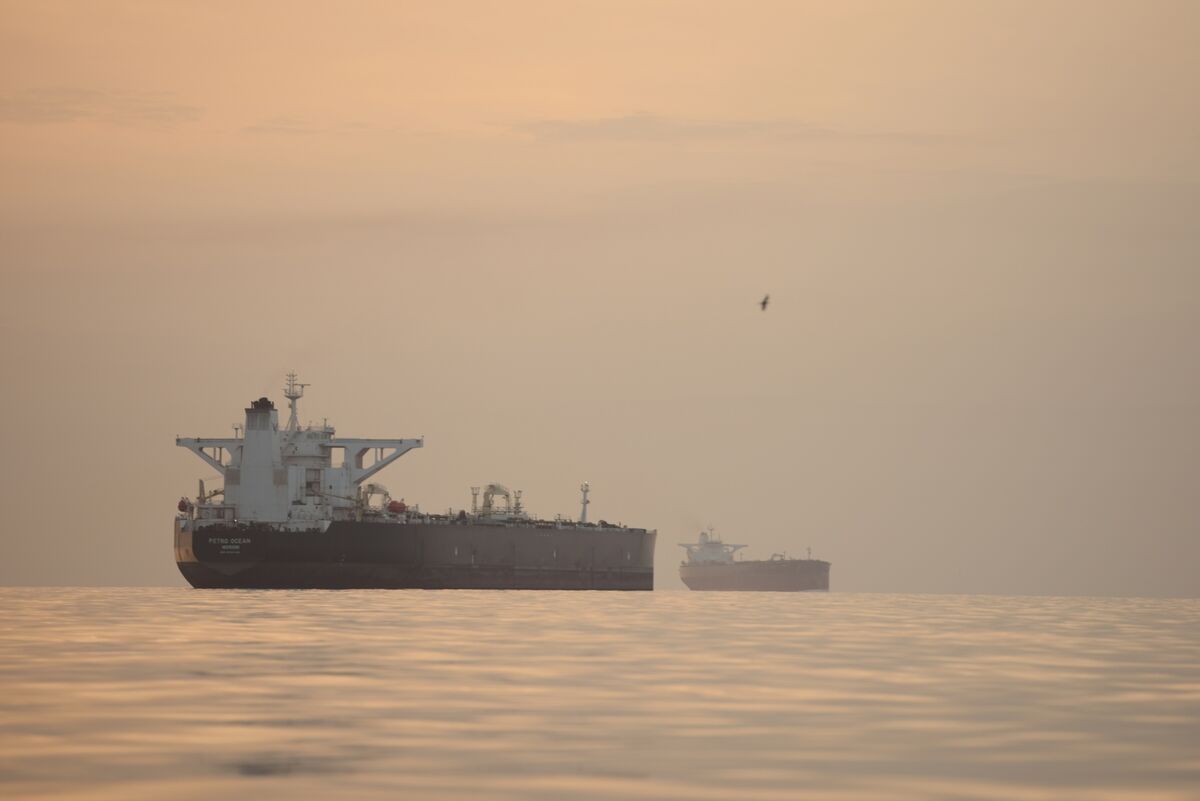

Global Shipping Industry Warns of Dangerous Precedent as Iran Imposes Straits of Hormuz Tolls
By [Your Name], International Trade Correspondent
DUBAI/LONDON – Senior shipping executives from two of the world’s largest commodity trading firms have raised alarm over Iran’s unilateral imposition of transit tolls on vessels passing through the Strait of Hormuz, warning the move threatens the principle of free maritime trade and could escalate tensions in one of the world’s most critical oil chokepoints.
The narrow waterway, flanked by Iran and Oman, carries nearly a fifth of the world’s daily oil supply—roughly 21 million barrels—along with vast shipments of liquefied natural gas (LNG) and other commodities. For decades, its status as an international transit route has been governed by the United Nations Convention on the Law of the Sea (UNCLOS), which guarantees “transit passage” rights without fees or restrictions.
Yet in recent weeks, Iranian authorities have begun demanding toll payments from select commercial vessels, citing vague “administrative fees” linked to maritime safety services. While Tehran insists the charges are voluntary, multiple shipping sources confirm that vessels refusing payment have faced delays, heightened inspections, or threats of denied passage—a de facto enforcement that industry leaders say sets a perilous precedent.
A Threat to Global Trade
The Strait of Hormuz is the lifeline of global energy markets, connecting producers in the Gulf—including Saudi Arabia, Iraq, and the UAE—with consumers across Asia, Europe, and beyond. Any disruption or unilateral control over transit risks inflaming oil prices, destabilizing supply chains, and inviting retaliatory measures from other nations.
“Freedom of navigation isn’t negotiable,” said a senior executive at a top commodity trading firm, speaking anonymously due to the sensitivity of the issue. “If one nation starts charging tolls, others could follow. Imagine China demanding fees in the Taiwan Strait, or Egypt raising Suez Canal tariffs exponentially. The entire system collapses.”
The concerns echo broader unease in the shipping industry, which has already faced soaring costs due to Houthi attacks in the Red Sea and pandemic-era supply chain chaos. While Iran’s current tolls remain relatively small—reportedly a few thousand dollars per vessel—the symbolism is what worries analysts.
“Iran is testing boundaries,” said Dr. Ian Ralby, a maritime security expert at IR Consilium. “If the world accepts this, it emboldens Tehran to escalate—whether through higher fees, political conditions, or outright blockades during crises.”
Iran’s Strategic Gambit
The tolls arrive amid heightened geopolitical friction. Iran has long leveraged its geographic dominance over Hormuz as a bargaining chip, periodically threatening closures during disputes with Western powers. In 2018, former U.S. President Donald Trump’s withdrawal from the Iran nuclear deal triggered a series of tanker seizures and attacks attributed to Tehran.
Now, with U.S.-Iran relations stagnant and nuclear talks stalled, experts suggest the tolls serve dual purposes: generating revenue amid crippling U.S. sanctions while asserting sovereignty over what Iran calls its “territorial waters.” Under UNCLOS, however, straits used for international navigation cannot be subject to unilateral restrictions.
“Legally, this is indefensible,” said Melissa van der Walt, a professor of maritime law at the University of Cape Town. “The Strait of Hormuz meets all criteria for transit passage rights. Iran’s actions violate international law unless they can prove the fees directly fund navigational safety—which they haven’t.”
Industry and Diplomatic Response
So far, global reactions have been muted. The International Chamber of Shipping (ICS) has privately urged member companies to document incidents but stopped short of public condemnation. Meanwhile, Western governments, preoccupied with conflicts in Ukraine and Gaza, have yet to issue formal protests.
Behind the scenes, though, tensions simmer. Some shipping firms are quietly rerouting cargoes around Africa’s Cape of Good Hope—a costly detour adding weeks to voyages—while others absorb the fees to avoid delays. “We’re stuck between compliance and principle,” admitted a tanker operator in Singapore.
The lack of a unified response worries observers. “Silence is acquiescence,” warned Ralby. “If the international community doesn’t push back firmly, Iran will keep pushing.”
What Comes Next?
With oil demand rising and Middle East volatility deepening, the toll dispute could soon reach a tipping point. Analysts suggest three possible scenarios:
- Escalation – If more vessels resist payments, Iran may ramp up inspections or detain ships, prompting a NATO-led patrol presence akin to past anti-piracy missions.
- Legal Challenge – A coalition of nations could bring the case to the International Tribunal for the Law of the Sea, though enforcement would be difficult.
- Status Quo – The industry may grudgingly accept the fees as a “cost of doing business,” setting a dangerous template for other strategic waterways.
For now, the world watches cautiously. But as one shipping executive put it: “The Strait of Hormuz isn’t Iran’s to monetize. It belongs to global trade.”
Whether the international community agrees—and acts—remains to be seen.
