



Dreaming Big: Dreame’s Ambitious Leap from Robot Vacuums to Global Tech Powerhouse
In the fiercely competitive world of consumer electronics, where startups often spend years struggling to gain recognition, Dreame Technology has taken a bold shortcut: a $10 million Super Bowl ad. The Chinese robot vacuum company, relatively unknown outside its niche, is betting big on its grand vision to become a global tech giant. Its high-stakes gamble mirrors the story of countless startups that have risen—and fallen—through audacious ambition. But Dreame’s aspirations go far beyond cleaning floors. From hypercars to humanoid robots, smart appliances to space satellites, Dreame’s CEO, Yu Hao, dreams of nothing less than reshaping the future of technology.
A Super Bowl Splash
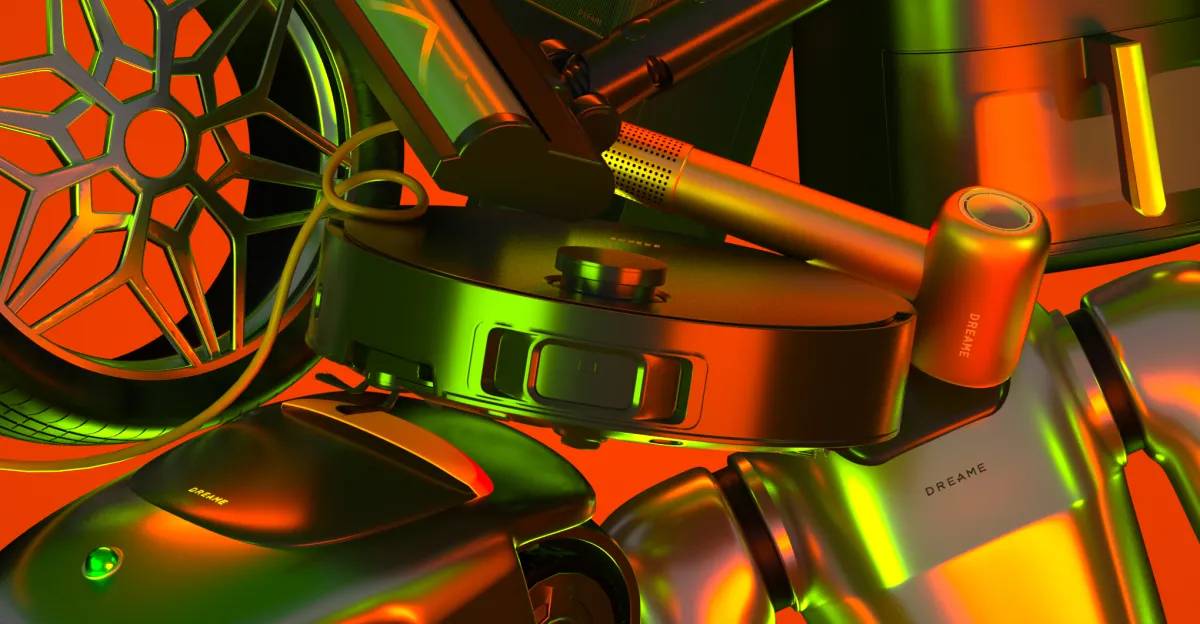
Dreame’s 30-second Super Bowl ad, aired in February 2026, was more than just a marketing ploy—it was a declaration of intent. The ad showcased a product evolution that seemed straight out of science fiction: robot vacuums transforming into lawnmowers, hypercars, and even space exploration vehicles. “This commercial isn’t just about visibility; it’s a statement of commitment,” said Ana Wang, Dreame’s North American CEO.
The Super Bowl debut followed an equally bold appearance at the Consumer Electronics Show (CES) earlier in the year, where Dreame occupied two sprawling booths filled with its expanding ecosystem of products. Alongside robotic vacuums, lawnmowers, and pool cleaners, the company unveiled a luxury hypercar designed to rival Bugatti, smart home appliances powered by AI, and entries into competitive markets like smartphones, smart locks, and televisions.
The Vision Behind the Dream
At the heart of Dreame’s meteoric rise is its founder and CEO, Yu Hao, a charismatic and ambitious entrepreneur often likened to Elon Musk. Born in China, Yu launched Dreame Technology in 2015 with a focus on high-speed digital motor technology, aiming to challenge industry leader Dyson. The company’s first product, a cordless vacuum developed in collaboration with Xiaomi, quickly gained traction for its affordability and performance.
Breaking away from Xiaomi in 2019, Dreame established its own brand and rapidly became a top global player in the robotic vacuum market, particularly in Europe. Innovations like the L10S Ultra robot vacuum-mop combo, which introduced a multifunctional docking station for emptying bins and washing mops, solidified Dreame’s reputation as a leader in smart cleaning solutions.
But Yu Hao’s vision extends far beyond vacuums. Driven by a desire to “bring intelligence to every object,” Dreame has expanded into diverse sectors, from home appliances to electric vehicles, AI-powered gadgets, and even space exploration. The company’s latest endeavors include launching satellites into orbit, developing humanoid robots, and creating its own semiconductors under the NXMind brand.
Ambition Meets Reality
Dreame’s rapid expansion into highly competitive markets raises questions about sustainability. Scaling from robot vacuums to TVs, cars, and space technology requires not just innovation, but also mature infrastructure, substantial funding, and global execution. Critics point to cautionary tales like LeEco, a Chinese tech company that attempted a similarly ambitious expansion before collapsing under the weight of its own aspirations.
Yet Dreame appears undeterred. The company operates as if it has virtually unlimited funding, supported by significant investments from Chinese investors and local governments. Yu Hao’s leadership style, characterized by bold moves and grand gestures—such as gifting each of Dreame’s 18,000 employees a gram of gold as a year-end bonus—underscores his commitment to his vision.
Challenges and Controversies
Dreame’s ascent has not been without controversy. The company has faced accusations of poaching talent from competitors like Ecovacs and Roborock, allegedly luring employees with high salaries before swiftly dismissing them. Dreame has denied these allegations, but the controversy highlights the intense competition in China’s tech sector.
Additionally, Dreame’s products have drawn comparisons—and lawsuits—from industry giants like Dyson and Ecovacs, which claim similarities in design and functionality. Despite these challenges, Dreame has continued to innovate, introducing products like a robot vacuum capable of climbing stairs and a robotic window cleaner.
The Road Ahead
Dreame’s next major move is a splashy product launch in San Francisco on April 27th, 2026, dubbed “Dreame Next 2026.” The event will feature new product lines across competitive markets, all tied together by its “AI-powered whole-home smart ecosystem.” The company’s ambitions border on audacious, but Yu Hao seems to thrive on the chaos.
“We have the conditions, we have the funds, we have the technology, and he has the dream,” said Sam Tong, Dreame’s PR manager. Yu’s idol, Elon Musk, would likely approve of such audacity. But as Dreame scales new heights, the question remains: Is this the rise of the next global tech powerhouse, or a cautionary tale in the making?
Conclusion
Dreame’s journey from a robotic vacuum startup to a multi-sector tech giant is a testament to Yu Hao’s ambition and vision. While its vacuums have earned acclaim, scaling into industries as diverse as automotive, space, and AI poses monumental challenges. Whether Dreame succeeds in its grand vision or becomes another casualty of overreach, one thing is certain: Yu Hao’s dream is as bold as it gets. As the world watches, Dreame’s story serves as a reminder that in the world of tech, ambition is the spark, but execution is the flame.
