



Cleveland Unveils Ambitious Plan to Transform Lakefront and Riverfront
Cleveland, Ohio, is poised for a dramatic transformation as Mayor Justin Bibb pushes forward with bold plans to revitalize the city’s waterfronts. With the Cleveland Browns set to move into a new enclosed stadium in Brook Park by 2028, the city is leveraging the opportunity to redevelop its lakefront and riverfront areas, aiming to reconnect residents with Lake Erie and the Cuyahoga River for the first time in over a century.
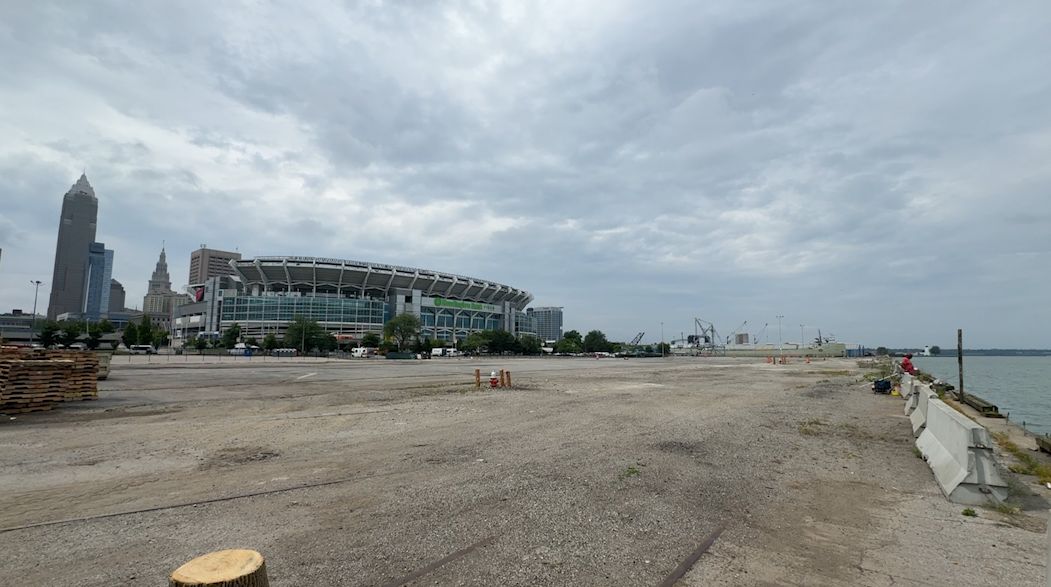
The city’s plans are ambitious and multifaceted. A key component is the construction of a land bridge linking downtown Cleveland to the lakefront, expected to break ground in 2027. This project, coupled with the Browns’ relocation, will pave the way for the development of 50 acres of land near the current stadium. The envisioned space will feature a mix of housing, retail, parks, trails, and a food hall, creating a vibrant public space for residents and visitors alike.
As part of the deal with the Browns, the city will receive $100 million to jumpstart lakefront development. Additionally, team owners Dee and Jimmy Haslam have agreed to cover the cost of demolishing the current stadium. Mayor Bibb has also enlisted their support in advocating for the closure of Burke Lakefront Airport, a move that would open up 450 acres of prime waterfront real estate for potential development.
“Cleveland has waited far too long for meaningful access to its waterfronts,” Bibb emphasized in a recent interview. “We’re committed to being bold and ambitious because that’s what Clevelanders deserve.”
The proposed closure of Burke Lakefront Airport has sparked both excitement and skepticism. While early ideas for the site include a youth sports center, RV campground, promenade, or golf course, some city council members and residents have expressed concerns about the feasibility and appeal of these concepts. Due to the manmade nature of the land, development options are limited to low-density projects, such as parks or low-rise buildings. The estimated cost of repurposing the airport is around $600 million, with the city asserting that most of the funding would come from private investors.
Meanwhile, the Bibb administration is also collaborating with Bedrock, a Detroit-based developer, on a $3.5 billion plan to transform 35 acres of land along the Cuyahoga River. This project aims to create a dynamic mixed-use district that could attract businesses, residents, and tourists to the area.
While these initiatives are ambitious, some critics worry that the city may be taking on too much at once. Mayor Bibb, however, remains steadfast in his vision, arguing that inaction would be the greater risk. “Our economy will always ebb and flow, but it’s our responsibility to make Cleveland competitive, safe, and attractive for investment and talent,” he said.
The lakefront and riverfront projects represent a significant step forward in Cleveland’s efforts to redefine itself as a modern, forward-thinking city. By reclaiming its waterfronts, Cleveland aims to create spaces that not only enhance quality of life for residents but also attract visitors and businesses eager to be part of a revitalized urban landscape.
As Mayor Bibb puts it, “This is about transforming Cleveland for the future—and for the present.”
— Reported by Nexio News
