


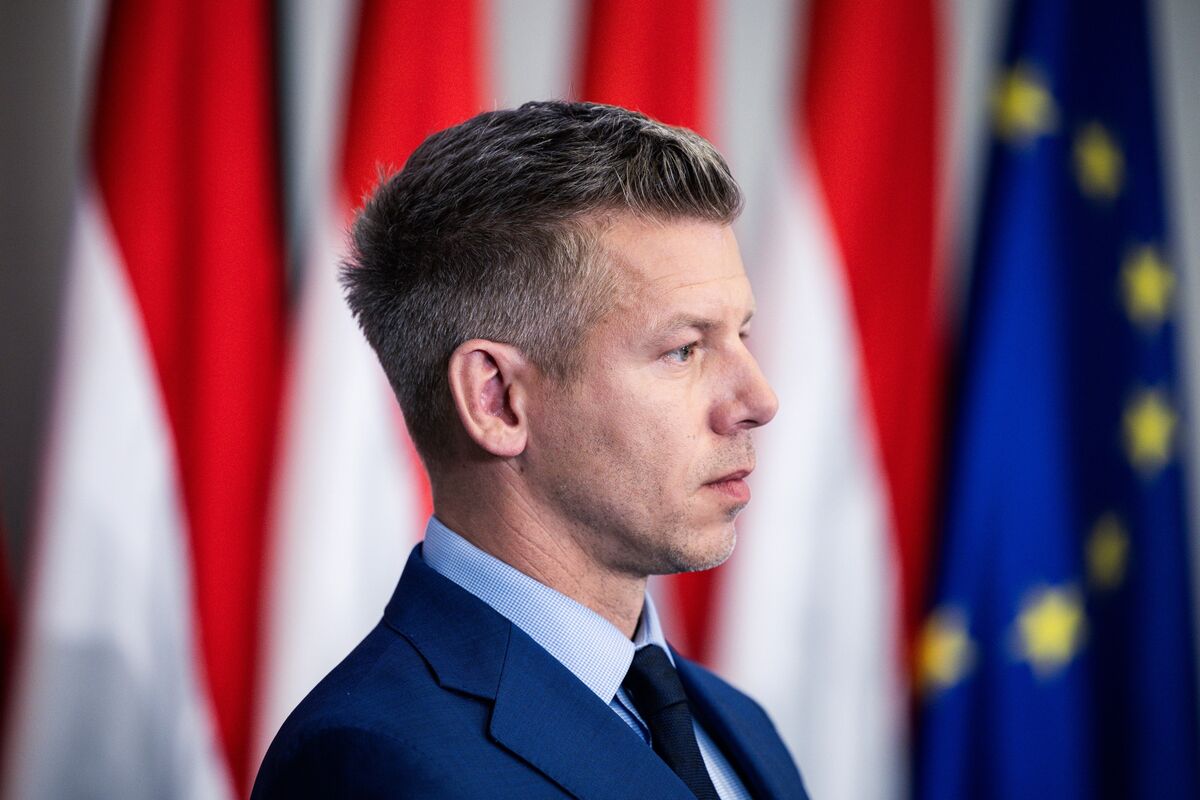

Hungary’s Political Shake-Up: Incoming PM Accuses Orban-Linked Figures of Asset Flight
Budapest, Hungary – Hungary’s political landscape is facing unprecedented turmoil as incoming Prime Minister Péter Magyar makes explosive claims that wealthy allies of outgoing leader Viktor Orbán are rapidly moving assets abroad. In a dramatic statement that has sent shockwaves through the country, Magyar called for authorities to detain members of what he described as “oligarch” families attempting to flee the country amid the transition of power.
The allegations, if proven, could expose deep-rooted corruption within Orbán’s administration, which has governed Hungary for over a decade. Magyar, a former insider within Orbán’s Fidesz party who turned critic, now leads a reformist coalition poised to take office. His warnings suggest a high-stakes scramble by Hungary’s political and business elite to shield wealth before accountability measures take effect.
A Nation on Edge
Hungary’s political transition marks a pivotal moment for the Central European nation, long criticized by the EU for democratic backsliding under Orbán’s rule. Magyar’s ascent signals a potential shift toward transparency, but his latest claims reveal the challenges ahead.
“Certain individuals closely tied to the outgoing government are attempting to relocate assets and even themselves beyond Hungary’s borders,” Magyar declared at a press conference in Budapest. “We have credible intelligence suggesting these movements are coordinated and deliberate.”
While Magyar did not name specific figures, his remarks align with longstanding allegations that Orbán’s inner circle—often referred to as Hungary’s “oligarchs”—amassed fortunes through state contracts, EU funds, and opaque business dealings. The European Parliament has previously accused Orbán’s government of systemic corruption, though Orbán has consistently denied wrongdoing, framing such critiques as political attacks.
The Oligarch System Under Orbán
Under Orbán’s 14-year tenure, Hungary saw the rise of a network of wealthy businessmen who benefited from government patronage. These figures, often operating in sectors like construction, media, and energy, became synonymous with Hungary’s “illiberal democracy” model—a system Orbán openly championed.
Analysts suggest Magyar’s warnings may indicate an impending crackdown. “If these oligarchs are indeed moving assets, it suggests they anticipate legal repercussions,” said Dr. Katalin Cseh, a Budapest-based political economist. “This could be the first sign of a broader reckoning.”
Hungary’s economy, heavily reliant on EU funding, has faced scrutiny over mismanagement and graft. The European Commission has frozen billions in aid over rule-of-law concerns, exacerbating economic strain. Magyar’s reform agenda includes pledges to restore judicial independence and recover misappropriated funds—a mission that may now face resistance from entrenched interests.
Legal and Diplomatic Implications
Magyar’s call to detain fleeing oligarchs raises complex legal questions. While Hungary has anti-corruption laws, enforcement under Orbán was widely seen as selective. Legal experts warn that any detainments must follow due process to avoid claims of political retribution.
“The challenge will be distinguishing legitimate investigations from perceived vendettas,” said András Kádár, a human rights lawyer. “Hungary’s credibility in this transition hinges on fairness.”
Internationally, the developments are being closely watched. The EU, which has clashed repeatedly with Orbán, may see Magyar’s stance as a positive step—if handled lawfully. Meanwhile, Orbán loyalists have dismissed the allegations as a “smear campaign,” with former Justice Minister Judit Varga accusing Magyar of “stoking chaos.”
What Comes Next?
As Magyar prepares to assume office, his ability to act on these claims will test his government’s resolve. Key questions remain:
- Will authorities successfully freeze suspicious asset transfers?
- How will Orbán’s allies respond if targeted?
- Can Magyar balance reform with stability in a polarized nation?
Hungary’s transition could serve as a case study for post-authoritarian accountability—or devolve into political warfare. For ordinary Hungarians, weary of corruption scandals and economic struggles, the promise of change is tempered by skepticism.
Conclusion
Hungary stands at a crossroads. Péter Magyar’s allegations against Orbán-linked elites underscore the high stakes of this political shift—one that could redefine the nation’s future. Whether this marks a genuine reckoning or merely a reshuffling of power remains to be seen. For now, the world watches as Budapest braces for what comes next.
“In revolutions, the hardest part isn’t winning power—it’s wielding it justly.”
