


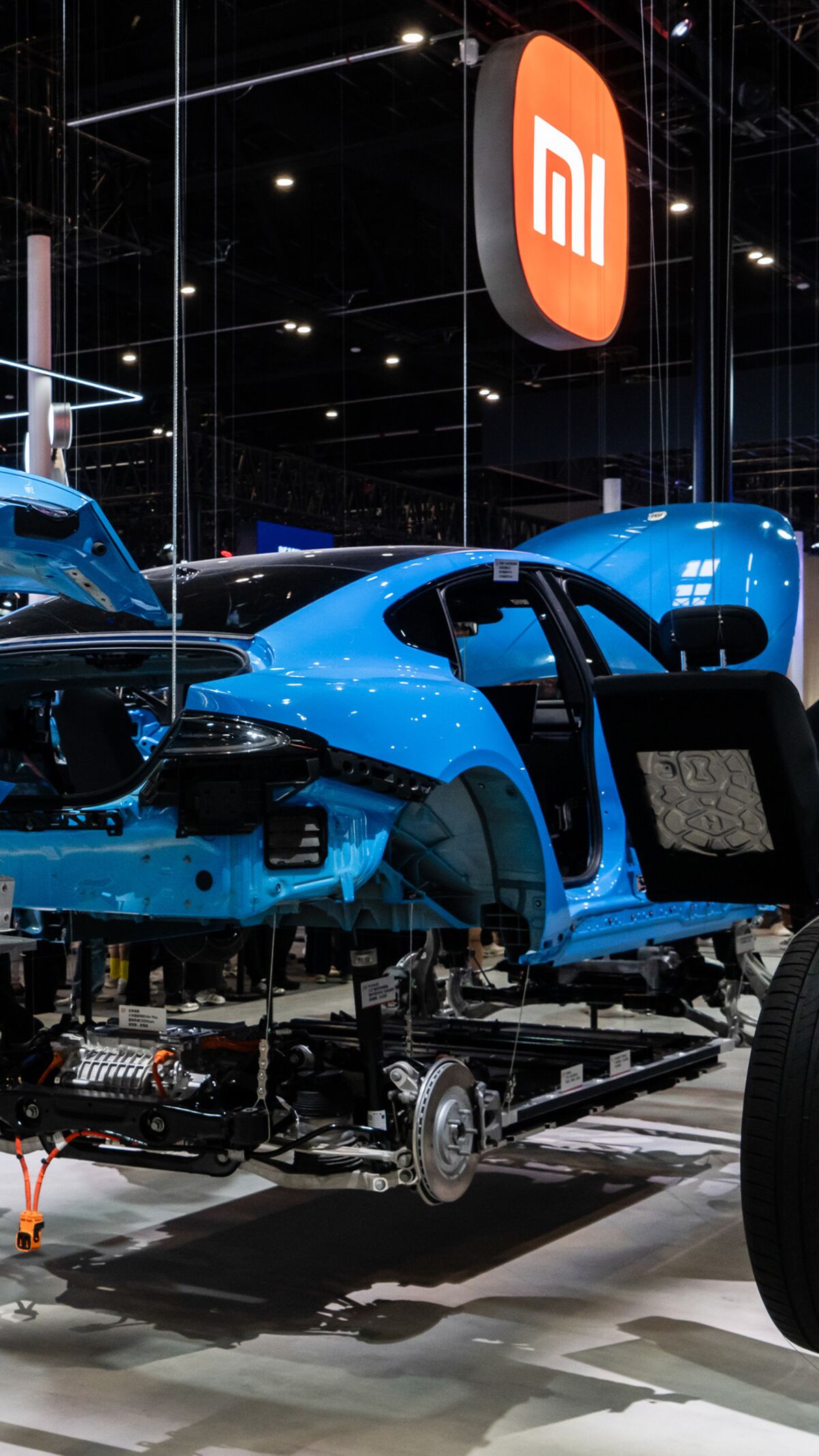

China’s EV Revolution Dominates Beijing Auto Show as Domestic Brands Eclipse Western Giants
Beijing, April 2026—The sprawling exhibition halls of the Beijing Auto Show, once dominated by the gleaming stands of legacy Western automakers, now tell a different story. This year’s event has become a showcase for China’s electric vehicle (EV) industry, with homegrown brands like BYD, NIO, and XPeng stealing the spotlight through cutting-edge technology, sleek designs, and aggressive pricing strategies. The shift underscores a seismic transformation in the world’s largest car market—one where Chinese automakers, once seen as laggards, are now setting the pace, leaving traditional giants scrambling to keep up.
The Decline of Western Dominance
For decades, global automakers such as Volkswagen, General Motors, and Toyota reigned supreme in China, leveraging their brand prestige and decades of engineering expertise. But as the automotive industry pivots decisively toward electrification, Chinese manufacturers have surged ahead, capitalizing on government support, rapid innovation, and a deep understanding of local consumer preferences.
At this year’s Beijing Auto Show, the contrast was stark. While Western brands displayed incremental updates to existing models, Chinese EV makers unveiled futuristic concepts, next-generation battery systems, and AI-powered driving assistants. BYD, now the world’s largest EV producer by sales, showcased its latest “Blade Battery” technology, promising longer ranges and faster charging times. Meanwhile, startups like NIO and Li Auto demonstrated fully autonomous driving features, leaving industry veterans playing catch-up.
How China’s EV Makers Are Winning
Several key factors explain the dramatic rise of China’s EV sector:
-
Aggressive Pricing and Value
Chinese automakers have perfected the art of delivering premium features at mass-market prices. Models like BYD’s Seal and XPeng’s G9 offer luxury-level interiors, advanced infotainment systems, and extended ranges—often at price points 20-30% lower than comparable Western EVs. This affordability has resonated with China’s cost-conscious middle class, accelerating adoption. -
Government Backing and Infrastructure
Beijing’s unwavering commitment to electrification has been a game-changer. Generous subsidies, tax incentives, and a nationwide push for charging infrastructure have created a fertile environment for EV growth. Unlike Western markets, where charging networks remain patchy, China boasts over 2 million public charging points—more than the rest of the world combined. -
Hyper-Fast Innovation Cycles
Chinese firms operate at breakneck speed, compressing development timelines that traditionally took Western automakers years. NIO, for example, refreshes its models annually, integrating the latest AI and battery advancements. This agility has allowed domestic brands to stay ahead of global competitors still shackled by legacy production processes. -
Localized Consumer Insights
Chinese EV makers have excelled in tailoring their offerings to local tastes. Features like built-in karaoke systems, seamless integration with WeChat, and voice-controlled smart assistants cater specifically to Chinese buyers—a level of customization foreign brands often struggle to match.
The Western Response: Playing Catch-Up
Legacy automakers are not conceding defeat. Volkswagen has pledged to invest €15 billion in China by 2027, focusing on EV development and local partnerships. BMW and Mercedes-Benz are accelerating their own electric lineups, while Tesla continues to expand its Shanghai Gigafactory. Yet, analysts warn that these efforts may be too little, too late.
“Western automakers underestimated China’s ability to innovate,” said Mingyu Lee, an automotive analyst at Bernstein. “They assumed brand loyalty would carry them, but Chinese consumers are pragmatic—they want the best tech at the best price, and right now, domestic brands deliver that.”
Global Implications
China’s EV dominance is not confined to its borders. BYD has aggressively expanded into Europe, Southeast Asia, and Latin America, undercutting rivals with competitively priced exports. The European Union, wary of this encroachment, has launched anti-subsidy investigations into Chinese EVs, alleging unfair state support. Meanwhile, U.S. tariffs have slowed but not stopped the influx of Chinese models.
The ripple effects extend beyond sales. As Chinese firms control more of the EV supply chain—from lithium mining to battery production—Western automakers face growing dependency on Chinese components, raising geopolitical and economic concerns.
The Road Ahead
The 2026 Beijing Auto Show marks a turning point—a vivid illustration of how the balance of power in the automotive world is shifting eastward. While Western brands still hold sway in combustion-engine markets, their lead in electrification is evaporating. For global automakers, the challenge is clear: adapt swiftly or risk irrelevance in the EV era.
As the show drew to a close, one message resonated above all: China’s EV revolution is no longer a prediction—it’s the present reality. Whether the rest of the world can keep pace remains an open question.
