



Spotify Expands into Fitness Content with Peloton Partnership and Creator Workouts
By [Your Name]
April 10, 2026
Spotify Reinvents Itself as a Fitness Hub
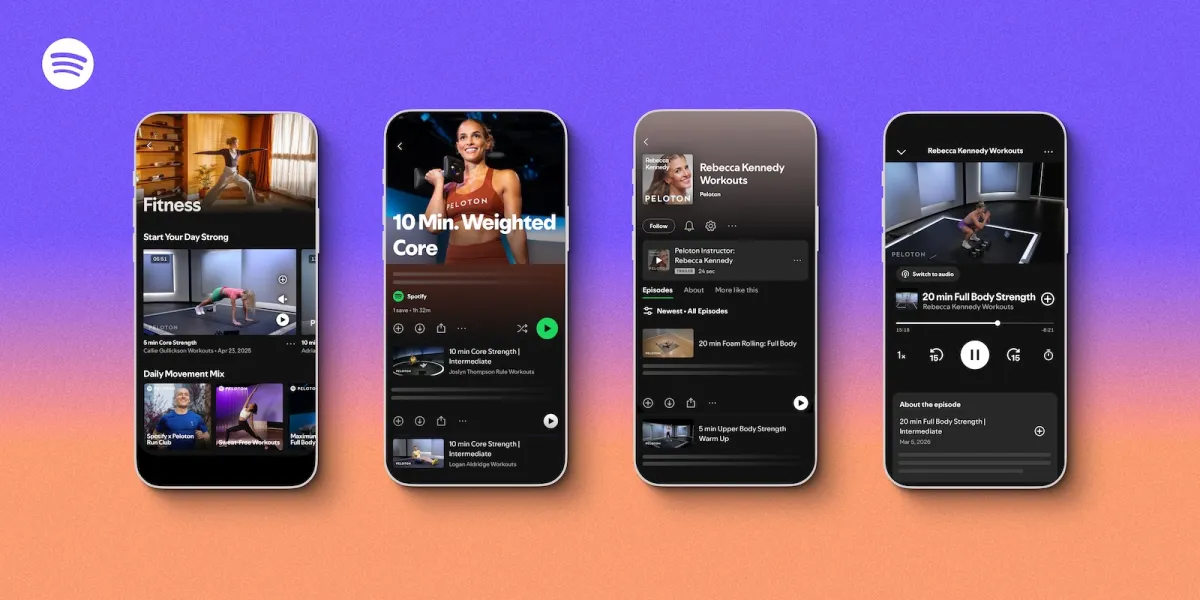
Spotify, the global audio streaming giant, is making its boldest move yet beyond music by launching a dedicated fitness hub, partnering with Peloton and top wellness creators to bring workouts directly to its platform. The expansion marks Spotify’s latest push to diversify its offerings, following successful forays into podcasts, audiobooks, and video content.
Starting today, users worldwide can access guided workouts—ranging from yoga and Pilates to high-intensity cardio—within the Spotify app. Premium subscribers gain exclusive access to Peloton’s vast library of 1,400+ ad-free classes, while free users can explore curated fitness playlists and video sessions from popular instructors like Yoga With Kassandra, Chloe Ting, and Sweaty Studio.
The move capitalizes on Spotify’s data showing that 70% of Premium subscribers exercise monthly, with over 150 million workout-themed playlists already on the platform. By integrating fitness content directly into its ecosystem, Spotify aims to become a one-stop destination for both workout motivation and execution.
A Strategic Shift Toward Holistic Wellness
Spotify’s pivot into fitness is not entirely unexpected. The company has steadily expanded beyond music in recent years, introducing video podcasts, audiobooks, and even AI-powered playlist features. Now, it is leveraging its massive user base—over 600 million monthly active listeners—to compete in the booming digital fitness industry, projected to reach $79 billion by 2026.
The Peloton partnership is particularly strategic. Once known primarily for its high-end exercise bikes, Peloton has struggled with hardware sales but found success in its digital subscription model. By integrating Peloton’s classes into Spotify, both companies gain broader reach—Peloton taps into Spotify’s global audience, while Spotify enhances its value proposition without requiring additional subscriptions.
“We’re meeting users where they already are,” said a Spotify spokesperson. “People already turn to Spotify for workout music. Now, they can follow along with expert-led sessions seamlessly.”
How It Works: Accessing Fitness Content
The new fitness hub is easily accessible:
- Premium users can explore Peloton’s full catalog, including strength training, meditation, and running classes—no equipment required.
- Free users get access to trainer-led sessions from independent creators, available in English, Spanish, and German.
- All content can be streamed or downloaded for offline use, ideal for gym sessions or outdoor runs.
The rollout follows Spotify’s recent introduction of an opt-out feature for video content, addressing concerns from users who prefer a streamlined audio experience. The company insists that fitness content will be similarly customizable, ensuring the platform remains user-friendly despite its expanding scope.
Monetization and Creator Opportunities
For wellness creators, Spotify’s fitness hub offers new monetization avenues. Instructors can leverage the Spotify Partner Program, earning revenue through ads and subscriptions. While Spotify has not disclosed financial terms with Peloton, industry analysts speculate revenue-sharing agreements may be in place.
“This is a game-changer for digital fitness trainers,” said fitness influencer Abi Mills. “Spotify’s reach means more visibility, and their tools help us turn content into sustainable income.”
Future monetization models, such as paid premium classes or tiered subscriptions, remain possible but unconfirmed. For now, the focus is on accessibility—ensuring both casual exercisers and dedicated fitness enthusiasts find value in the platform.
Challenges and User Reception
Despite the potential, Spotify’s expansion raises questions. Some long-time users worry about app clutter, having seen the platform evolve from a simple music streamer to a multimedia hub. Others question whether fitness content will feel organic or forced within the interface.
“I love Spotify for music, but I already have dedicated fitness apps,” said one Reddit user in a discussion thread. “Will this actually replace them, or just add noise?”
Spotify appears aware of these concerns. The company has emphasized user choice, allowing fitness content to be easily ignored by those uninterested. Additionally, the Peloton integration avoids hardware dependencies, making workouts more accessible than traditional Peloton offerings.
The Bigger Picture: Spotify’s Ambitions
This latest expansion underscores Spotify’s ambition to dominate not just audio streaming but digital lifestyle services. Competitors like Apple and Amazon have also integrated fitness into their ecosystems—Apple with Fitness+ and Amazon with its Halo health tracker—but Spotify’s strength lies in its existing user engagement.
“People spend hours on Spotify daily,” said tech analyst Maria Chen. “If they can capture even a fraction of that time for workouts, it’s a massive opportunity.”
The move also aligns with broader industry trends. The pandemic accelerated digital fitness adoption, and while gyms have rebounded, hybrid fitness—mixing at-home and in-person workouts—remains popular. Spotify’s entry could further normalize streaming-based exercise, especially among younger demographics.
What’s Next?
Spotify has not ruled out additional fitness features, such as AI-generated personalized workout plans or live classes. The company is also exploring partnerships with other fitness brands, though no specifics have been confirmed.
For now, the focus is on execution. If successful, the fitness hub could become a key differentiator in Spotify’s battle against rivals like YouTube Music and Apple Music.
As the lines between entertainment, wellness, and productivity continue to blur, Spotify’s latest gamble may well redefine how the world works out—one stream at a time.
The question remains: Will users press play on Spotify’s fitness revolution, or will it be just another skipped track in their daily routine?
For more tech and business updates, follow [Your Publication] on [Social Media Links].
— END —
